
Summer brings more than warm weather and longer days. It also creates ideal conditions for many pests to become more active around homes and yards. Ants search for food, mosquitoes breed in standing water, spiders follow insect activity, cockroaches seek moisture, and rodents may move closer to structures when outdoor pressure increases. These patterns make summer one of the most important seasons for prevention.
Keeping summer pests away from your property requires more than reacting after insects or rodents appear. A strong pest control approach starts with understanding what attracts pests in the first place. Food, water, shelter, and access points are the main conditions that allow pest activity to build. When those conditions are reduced, the property becomes less appealing and easier to manage.
The best results usually come from combining simple household habits with consistent exterior maintenance and professional insight when needed. Summer prevention is not about doing one large project. It is about creating steady routines that reduce pest pressure before activity spreads.
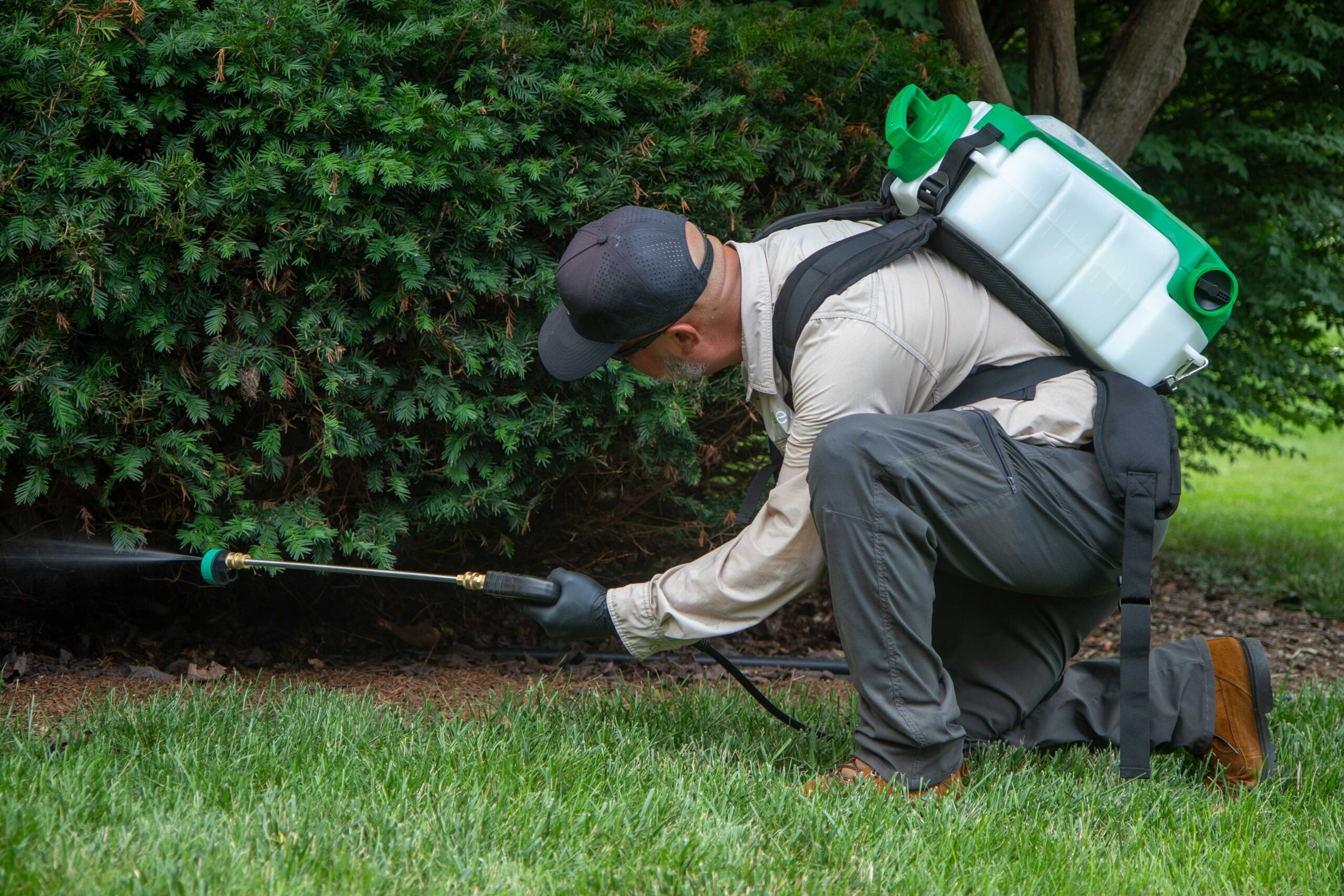
Why Summer Pest Activity Increases
Pests become more active in summer because environmental conditions support feeding, breeding, nesting, and movement. Warm temperatures allow insects to develop faster, while humidity and rainfall create moisture-rich spaces where many pests thrive. Outdoor activity also increases during this season, which can unintentionally create more food sources and entry opportunities.
Common summer pest pressures include ants moving toward kitchens, mosquitoes breeding near standing water, cockroaches gathering in damp areas, spiders appearing where insects are active, and rodents searching for food or shelter near garages and storage spaces. These pests may begin outdoors, but they can move indoors when conditions are favorable.
The change is often gradual. A few ants near a patio, flies gathering around trash bins, or mosquitoes appearing after rain may seem minor at first. However, these early signs often reveal that food, moisture, shelter, or access points are already available somewhere on the property. When those conditions remain in place, pest activity can build quickly.
Summer also changes how people use their homes. Doors open more often, outdoor meals become more frequent, and yard areas see more traffic. Grills, pet bowls, garden beds, and shaded patios can all become attractive to pests if they are not maintained consistently. Even small oversights, such as a sticky spill on a patio table or a clogged gutter holding water, can support repeated activity.
Summer pests are often easier to prevent early than to control after populations grow. A small amount of standing water may quickly become a mosquito-breeding site, while repeated ant trails can indicate an active food route. These issues are manageable when addressed early, but they can become more persistent when ignored.
This is why summer pest control works best when preparation starts before activity becomes widespread. By recognizing the conditions that drive pest movement, homeowners can reduce attractants, close access points, and make the property less inviting throughout the season.
Inspect the Property Before Peak Activity
A careful property inspection is one of the most useful first steps in summer pest prevention. Many pest issues begin in overlooked areas such as foundation edges, garage corners, crawl-space vents, patio spaces, and landscaping beds. Walking the property before activity peaks helps identify concerns while they are still manageable.
Areas to inspect include:
- Foundation cracks and exterior gaps
- Loose door sweeps and damaged seals
- Torn screens or uncovered vents
- Yard debris near the structure
- Moisture stains around siding or trim
This inspection should include both visible pest signs and conditions that may attract pests later. Droppings, nests, trails, webbing, chewed materials, or damaged packaging may point to current activity. Moisture, clutter, and access points may suggest future risk.
Early inspection also helps homeowners decide when professional pest control support may be needed. If repeated activity is already visible, a more detailed evaluation can identify whether the issue is isolated or connected to a larger pattern. For broader seasonal preparation ideas, this guide on summer prep explains how early planning supports better protection before peak pressure arrives.
Seal Gaps That Allow Pests Inside
Pests often enter homes through small openings that are easy to miss. Ants, spiders, cockroaches, and other insects can use tiny cracks, while rodents can squeeze through surprisingly small spaces. Sealing these gaps helps create a stronger barrier between the home and outdoor pest pressure.
Important areas to seal include:
- Gaps around doors and windows
- Utility openings around pipes and wires
- Cracks along foundations or siding
- Spaces beneath garage doors
- Damaged vents, screens, and crawl-space covers
Entry-point reduction should be handled carefully. If pests are already nesting indoors, sealing only the visible opening may not solve the source of the problem. In some cases, treatment or inspection should come before exclusion so pests are not simply redirected elsewhere inside the structure.
As a preventative step, however, sealing is highly valuable. It limits access before pests establish reliable routes. It also helps improve comfort by reducing drafts, moisture intrusion, and outdoor debris. Small repairs made early in the season can prevent repeated indoor sightings later.
Manage Moisture Around the Property
Moisture is one of the strongest pest attractants during summer. Many insects depend on damp environments, and rodents often seek reliable water sources near shelter. When moisture collects around the property, pest activity can increase quickly.
Moisture-control steps include:
- Clear clogged gutters and downspouts
- Direct water away from the foundation
- Repair leaks under sinks and around fixtures
- Remove standing water from containers
- Improve airflow in damp storage areas
Mosquitoes are especially tied to standing water, but they are not the only concern. Cockroaches, ants, termites, silverfish, and other pests are also influenced by moisture levels. Damp mulch, poorly drained soil, wet crawl spaces, and leaking pipes all support pest activity in different ways.
Routine moisture checks should be part of summer maintenance. After heavy rain or irrigation, inspect low spots, patio drains, gutters, and shaded areas near the home. Reducing excess water does not eliminate every pest risk, but it removes one of the most important resources pests rely on.
Keep Food and Waste Under Control
Food access is another major reason pests gather around homes in summer. Outdoor meals, grilling, snacks, pet feeding, and open trash bins create opportunities for ants, flies, cockroaches, rodents, and other pests. Warmer temperatures also make food odors stronger, attracting pests from nearby areas.
Indoor sanitation should focus on kitchens, pantries, dining areas, and pet-feeding spaces. Crumbs, sticky spills, grease residue, and unsealed food can all encourage repeated activity. Trash should be sealed tightly and removed regularly, especially when food scraps are involved.
Outdoor waste control is equally important. Garbage bins should have tight-fitting lids and should be kept away from doors when possible. Grill surfaces should be cleaned after use, and patio tables should be wiped down after meals. Compost areas, if present, should be managed carefully so they do not become pest-friendly zones.
It is also helpful to think about food sources that are easy to overlook. Birdseed, fallen fruit, pet treats, stored pantry goods, and residue inside recycling bins can all attract pests when left exposed. Even small amounts of sugar, grease, or organic matter can draw repeated activity during hot weather.
Good sanitation supports long-term pest control by reducing the reward pests find when they enter a property. When food is harder to access, pests are less likely to remain active in the same areas. This makes prevention efforts stronger and helps reduce the chance that summer pests will settle near the home.
Maintain Landscaping With Pest Prevention in Mind
Landscaping affects pest activity more than many homeowners realize. Dense vegetation, heavy mulch, leaf piles, rotting wood, and shaded moisture pockets can create ideal shelter for insects and rodents. When these conditions sit close to the home, pests have an easier path toward entry points.
Helpful landscaping practices include:
- Trim shrubs away from exterior walls
- Keep the grass cut and yard edges maintained
- Remove dead branches, leaves, and debris
- Store firewood away from the structure
- Avoid overwatering garden beds near the foundation
Mulch should be monitored carefully because it can hold moisture and provide shelter. It does not need to be avoided entirely, but it should not be piled high against siding, trim, or foundation areas. A clear space near the structure improves airflow and visibility.
Landscaping maintenance also helps inspections become more effective. When walls, vents, foundation lines, and utility openings are visible, pest concerns can be spotted earlier. A clean exterior does not guarantee pest-free conditions, but it reduces hidden harborage areas and makes prevention easier.
Pay Attention to Pet Areas
Pets can influence pest activity around a property, especially during summer. Outdoor movement, food bowls, bedding, water dishes, and shaded rest areas can attract or support pests when not maintained consistently. Fleas, ticks, ants, flies, and rodents may all take advantage of these conditions.
Pet-area prevention includes:
- Store pet food in sealed containers
- Clean bowls and feeding mats regularly
- Wash bedding and soft items often
- Remove leftover food from outdoor spaces
- Check shaded yard areas for moisture or debris
Pet-friendly prevention is about balance. The goal is to reduce pest conditions while keeping household routines practical and safe. Feeding areas should stay clean, outdoor water should be refreshed responsibly, and resting spots should remain dry and clear of debris.
If pests continue appearing near pet areas, a closer inspection may be needed. Persistent activity can indicate a nearby nesting site, moisture condition, or entry point. Addressing those deeper conditions helps protect both the property and the pet areas used often.
Reduce Shelter and Hiding Places
Pests need shelter as much as food and water. Around a property, shelter can come from cluttered garages, stacked boxes, wood piles, dense shrubs, unused equipment, and storage areas that are rarely disturbed. These spaces give pests protection from heat, predators, and human activity.
Garages and sheds are especially important during summer because they often connect indoor and outdoor spaces. Rodents, spiders, cockroaches, and ants may use these areas before moving farther into the home. Keeping storage organized and off the floor improves visibility and reduces hiding spots.
Outdoor clutter should also be reduced. Old pots, tarps, unused furniture, cardboard, and yard debris can hold moisture and create protected spaces. Even small changes, such as moving items away from walls or elevating storage, can make areas less inviting.
Reducing shelter does not require a perfect property. It requires limiting the undisturbed spaces where pests can hide and reproduce. When hiding places are reduced, pest activity becomes easier to detect and manage early.
Use Monitoring to Catch Activity Early
Monitoring helps homeowners notice pest changes before they become larger problems. Summer activity can increase quickly, so small signs should not be dismissed when they appear repeatedly. Regular observation allows faster response and more accurate pest control decisions.
Useful monitoring habits include:
- Check kitchens, bathrooms, and garages weekly
- Watch for trails, droppings, nests, or webbing
- Inspect outdoor trash and storage areas
- Look for standing water after rain
- Note repeated sightings in the same location
Patterns are especially important. A single pest may enter accidentally, but repeated sightings in one area often suggest an attractant, entry point, or nesting condition. Paying attention to timing and location can help narrow down the source.
Monitoring also helps determine whether prevention efforts are working. If activity decreases after moisture control or sealing, that change confirms progress. If activity continues, a more targeted inspection may be needed to identify the reason.
Know When Severe Activity Needs More Than Prevention
Simple prevention can go a long way, but some pest problems require a more complete strategy. Severe infestations, hidden nesting, recurring activity, or damage signs may not respond well to surface-level adjustments alone. In these situations, professional evaluation becomes important because the visible pests may represent only part of the issue.
For example, recurring ants may indicate an outdoor colony or an indoor nesting area. Cockroach sightings may suggest hidden moisture or sanitation concerns. Rodent activity may involve multiple entry points and nesting sites. Mosquito pressure may be connected to overlooked water sources across the property.
When activity becomes persistent, the approach should shift from general prevention to source identification. A detailed plan may include inspection, treatment, exclusion, monitoring, and environmental correction. For additional context on when stronger pest issues may need broader strategies, this resource on severe infestations explains why larger problems often require a more complete response.
Build a Long-Term Pest Control Routine
Keeping summer pests away is easier when prevention becomes routine. One-time cleaning or sealing may help temporarily, but long-term results depend on consistency. Summer conditions change quickly after storms, heat waves, yard growth, and increased outdoor activity.
A strong routine includes regular exterior checks, moisture management, sanitation, yard maintenance, and monitoring. These steps work together to reduce the conditions pests need to survive. When maintained consistently, they also make professional pest control more effective because treatments can focus on specific risks instead of broad uncertainty.
Long-term prevention also helps reduce surprise infestations. When homeowners understand which areas are most vulnerable, they can respond before pests spread. This reduces stress, limits damage risks, and supports a healthier living environment.
Professional support becomes especially helpful when recurring patterns appear. Expert inspections can identify subtle conditions that are easy to miss, such as hidden entry points, moisture-heavy zones, or nesting areas. The strongest results usually come from pairing good property habits with precise service recommendations.
Final Thoughts
Keeping summer pests away from your property requires a steady focus on prevention, not just reaction. Warm weather naturally increases pest movement, but homes become more vulnerable when food, water, shelter, and access points are easy to find. Reducing those conditions makes the property less attractive and easier to protect.
A practical summer plan should include exterior inspection, gap sealing, moisture control, sanitation, yard maintenance, pet-area care, shelter reduction, and regular monitoring. Each step supports the next. Together, they create a stronger foundation for pest control during the busiest season of the year.
Homeowners do not need to handle every concern alone. Persistent activity, hidden nesting, or recurring pest pressure often calls for a more detailed assessment. By addressing conditions early and using professional guidance when needed, summer pest problems can be managed more effectively and with greater long-term confidence.
Keep Your Property Protected This Summer
Summer pests are easier to manage when prevention starts early and the right support is in place. For expert guidance and a practical pest control plan, contact Evo Pest Control to help protect your property throughout the season. A proactive approach can help identify moisture issues, entry points, nesting areas, and outdoor conditions that may attract pests before they become harder to control.
With consistent service and prevention-focused recommendations, homeowners can reduce recurring activity and maintain a more comfortable environment during the busiest pest months. Taking action early helps keep pest concerns manageable, targeted, and less disruptive over time.