
Summer creates ideal conditions for insects to become more active around homes. Warm temperatures speed up feeding and breeding, while humidity, rainfall, and thicker vegetation create moisture-rich areas where insects can hide. Ants, cockroaches, spiders, mosquitoes, stinging insects, fleas, ticks, termites, and other pests may all become more noticeable when outdoor pressure increases.
A structural inspection, in this pest-focused context, helps homeowners look beyond visible pests and focus on the conditions that attract them. It is not a replacement for a full building or engineering inspection. Instead of waiting for a pest problem to appear indoors, this type of inspection looks for pest-related concerns such as access points, moisture issues, damaged seals, damp wood, clogged gutters, and outdoor features that may support insect activity. This type of inspection is not limited to major structural concerns. Small gaps, loose seals, clogged gutters, damp crawl spaces, and overgrown shrubs can all create openings for insects during summer.
Effective pest control depends on finding the source of the issue, not only treating what is visible. A careful structural inspection gives homeowners a clearer picture of where pests are likely to enter, nest, or gather. It also helps determine when simple maintenance may be enough and when professional support is needed for a more detailed plan. With summer pests, early attention is often easier, safer, and more efficient than reacting after activity spreads. A structural inspection also helps homeowners prioritize. Instead of trying to fix every visible detail at once, the inspection separates urgent concerns from routine maintenance. That makes the process more manageable and helps prevention efforts stay focused on the areas most likely to support insects.
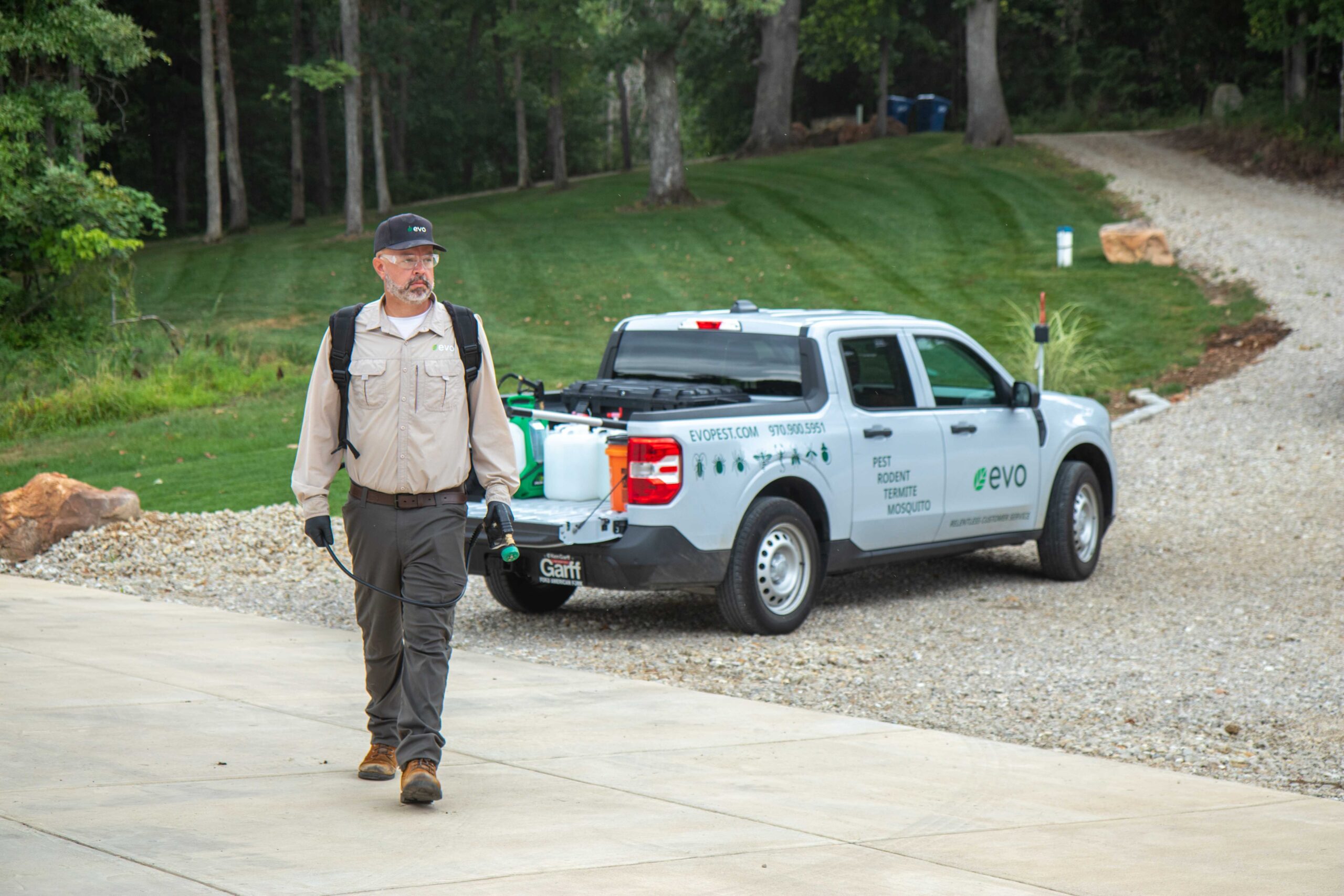
Why Summer Makes Structural Weaknesses More Important
Summer conditions can turn small structural weaknesses into active pest pathways. Heat expands materials, storms expose drainage problems, and frequent outdoor use increases access through doors, windows, garages, and patios. Insects do not need large openings to enter. Many can use narrow gaps around utility lines, frames, siding, and vents.
Moisture also plays a major role. After heavy rain, water may collect around foundations, soften exterior wood, or seep into crawl spaces. Damp areas can attract ants, cockroaches, termites, mosquitoes, and other insects. When moisture and access points appear together, the risk of infestation increases.
A structural inspection helps identify these vulnerable areas before they support larger pest activity. The goal is to understand how the home is functioning as a barrier. If that barrier is weakened by cracks, gaps, rot, or moisture, insects have more opportunities to move closer to living spaces.
Summer also changes how people use the home. More outdoor meals, more open doors, more garage traffic, and more yard work can all increase pest access. When these habits are paired with structural weak spots, insects have a clearer path from outdoor activity zones into protected indoor areas. Addressing these weaknesses early helps keep prevention manageable and reduces the chance of insects settling into hidden spaces before activity becomes noticeable.
Inspect the Foundation and Exterior Walls
The foundation is one of the most important places to begin a summer structural inspection. Many insects travel along ground-level surfaces before entering through cracks, expansion joints, damaged siding, or gaps where materials meet. Ant trails, cockroach activity, and termite concerns may all begin near the base of the structure.
Key areas to inspect include:
- Cracks along foundation walls or slabs
- Gaps where siding meets masonry
- Openings around porch steps or patios
- Soil or mulch touching exterior materials
- Signs of moisture stains or wood decay
A clear foundation line makes inspection easier. Vegetation, stored items, and heavy mulch can hide pest activity and make it harder to see damage. When possible, keep the area around the structure open enough to observe changes.
If cracks or gaps are found, sealing may help reduce access. However, repeated insect activity should be evaluated carefully. Sealing one opening may not resolve a larger nesting or moisture issue. A professional inspection can help determine whether the concern is only structural access or part of a broader pest control problem.
Check Doors, Windows, and Screens
Doors and windows are active during summer because families move in and out more often. Open windows, patio traffic, garage access, and evening airflow can all increase pest entry. Even when doors and windows are closed, worn seals or torn screens can create small access points.
Inspection should include:
- Door sweeps that no longer touch the threshold
- Window screens with holes or loose corners
- Gaps around sliding doors and tracks
- Damaged weatherstripping around frames
- Light showing beneath garage or exterior doors
These small details matter because many insects follow air movement, light, food odors, or moisture, especially during warm evenings when indoor and outdoor conditions shift. Gaps around doors and windows may allow ants, flies, mosquitoes, spiders, and cockroaches to enter.
Repairing seals and screens supports long-term prevention. It also improves comfort by reducing drafts and outdoor debris. If insects continue appearing near a specific window or door after repairs, there may be another access point nearby or an attractant inside that needs closer attention.
Look for Moisture Problems Inside and Outside
Moisture is one of the strongest warning signs during a structural inspection. Many insects need water or humid conditions to survive, and summer weather can create moisture problems quickly. Leaks, condensation, clogged gutters, and poor drainage can all support pest activity.
Moisture-prone areas to check include:
- Cabinets under sinks and around plumbing
- Basements, crawl spaces, and utility rooms
- Gutters, downspouts, and splash zones
- Window frames, rooflines, and exterior trim
- Low spots where water collects after rain
Moisture does not always appear as standing water. It may show as staining, soft wood, musty odors, peeling paint, or condensation. These clues can point to areas where insects may settle before they become visible indoors.
Reducing moisture strengthens pest prevention and protects structural materials. Repairing leaks, improving airflow, clearing gutters, and directing water away from the home all help reduce summer pest pressure. A dry structure is harder for many insects to use as shelter. Moisture control should also be repeated after storms because new water patterns can appear quickly. A gutter that worked well in spring may overflow in summer if leaves, roof debris, or nesting material block the flow.
Review Attics, Crawl Spaces, and Hidden Areas
Attics and crawl spaces are often overlooked because they are not part of everyday living areas. However, they can reveal important structural and pest-related clues. These spaces may contain moisture, insulation damage, vent issues, wood contact, or small openings that allow insects to enter unnoticed.
During inspection, look for:
- Damaged vents or missing screens
- Moisture stains on wood or insulation
- Insect wings, frass, droppings, or debris
- Gaps around pipes, ducts, and wiring
- Soft, damaged, or darkened wood
These areas are especially important because pest activity can develop quietly. Carpenter ants, termites, spiders, cockroaches, and other insects may use hidden areas when moisture, shelter, and access are available. Because these spaces are rarely visited, conditions can change for weeks or months before anyone notices. A small vent gap, damp insulation, or plumbing opening may become more important during summer when insect movement increases.
Homeowners should avoid unsafe access or disturbing unknown activity. If the space is difficult to enter or the signs are unclear, a professional evaluation is the safer option. For a broader look at exterior and interior prevention habits, these summer pest tips explain how property-wide maintenance supports seasonal protection.
Inspect Plumbing and Utility Openings
Plumbing and utility penetrations are common pest entry points because they pass through walls, floors, foundations, and exterior materials. Gaps around pipes, wires, vents, and conduits may be small, but they can provide direct access into wall voids or interior spaces.
Important areas to review include:
- Openings around water lines and drainpipes
- Gaps around electrical or cable penetrations
- Dryer vents and exhaust openings
- HVAC lines entering exterior walls
- Utility spaces beneath sinks or appliances
These locations often combine two pest attractants: access and moisture. For example, a small gap around a plumbing line may also sit near condensation or a slow leak. That combination can make the area especially appealing to cockroaches, ants, and other insects. Utility spaces can also stay warm and undisturbed, which gives pests a protected route into hidden parts of the home.
Proper sealing materials should be selected based on the opening and location. Larger gaps, damaged areas, or recurring activity may require more than a quick patch. A careful inspection helps determine whether the opening is only a maintenance issue or part of an active pest route.
Evaluate Landscaping Near the Structure
Landscaping can either support prevention or make insect activity harder to control. Dense shrubs, thick mulch, leaf litter, and plants touching the home can trap moisture and create sheltered routes toward siding, windows, and foundation gaps. During summer, fast plant growth can quickly cover areas that were clear in spring.
Inspect landscaping for:
- Branches or shrubs touching exterior walls
- Mulch piled high against the siding or trim
- Leaf litter collecting near foundations
- Overwatered beds close to the home
- Wood piles or debris near entry points
A clean, visible perimeter helps reduce insect shelter and makes structural issues easier to find. Trimming vegetation improves airflow, which helps damp areas dry more quickly. It also gives inspectors a clearer view of cracks, stains, trails, and nests.
Landscaping does not need to be removed entirely. The goal is to create space, visibility, and airflow near the structure. These simple adjustments reduce the conditions that make insects comfortable around the home. This is especially useful after rain or irrigation, when shaded plants and mulch can stay damp long after open lawn areas have dried. A cleaner perimeter also makes it easier to spot pest trails, nests, damaged trim, or foundation cracks before they become harder to address.
Watch for Early Signs of Insect Activity
A structural inspection should include both the condition of the home and signs of pest presence. Early clues often appear before a full infestation is obvious. Recognizing these signs helps homeowners respond sooner and avoid larger issues.
Common warning signs include:
- Ants trail along walls, patios, or counters
- Shed wings near windows or doors
- Frass, sawdust-like material, or wood debris
- Webbing in corners, garages, or storage areas
- Droppings, stains, or unusual odors
Patterns are important. One insect near an open door may not mean much, but repeated sightings in the same area usually deserve attention. Activity near moisture, food, wood damage, or exterior gaps can point to a larger issue.
Documentation can help. Taking notes or photos of recurring activity gives professionals useful information during evaluation. It also helps homeowners track whether prevention steps are reducing activity over time. Timing can be useful as well. If insects appear after rain, at night, near lights, or around a specific door, those patterns may point to moisture, food, shelter, or access issues that deserve closer attention.
Use Inspection Findings to Guide Prevention
A structural inspection is most valuable when findings are turned into action. Identifying a crack, leak, or damaged screen is only the first step. The next step is deciding how to correct the condition and prevent it from supporting insects later.
The best prevention plans are organized by priority. Moisture issues should be addressed quickly because they can attract pests and damage materials. Entry points should be sealed after active pest concerns are evaluated. Outdoor clutter and vegetation should be managed before they hide additional problems. When tasks are prioritized this way, pest prevention becomes more practical. Homeowners can focus first on the conditions most likely to support insect activity, then build toward long-term improvements such as better drainage, stronger sealing, and more consistent exterior maintenance.
Inspection findings may guide sanitation changes, drainage improvements, repairs, exclusion work, and targeted pest control. This helps avoid guesswork and allows prevention to match the actual needs of the property.
For homeowners planning, these peak-season steps show how early preparation can reduce pest pressure before summer activity becomes more widespread. A structural inspection fits naturally into that preparation because it reveals where the home may be most vulnerable.
Know When a Professional Assessment Is Needed
Some structural concerns are simple to correct, but others require trained evaluation. Persistent insect activity, hidden moisture, suspected wood damage, or repeated sightings after basic maintenance may indicate a deeper issue. In these cases, professional assessment can save time by identifying the source more accurately.
Professionals look for the relationship between pests and property conditions. They consider entry points, nesting areas, moisture, food access, seasonal behavior, and structural vulnerabilities. This broader perspective helps separate surface-level activity from an infestation that needs targeted treatment.
Professional support is especially useful when pests appear in hidden areas, such as wall voids, crawl spaces, attics, or behind appliances. These locations can be difficult to evaluate without the right tools and experience.
The goal is not to overcomplicate a small issue. It is to avoid missing a problem that is already developing out of sight. When inspection findings are uncertain, expert guidance can help homeowners make more confident decisions. Professional evaluation can also help determine which repairs should happen before treatment and which concerns can be monitored. That sequence matters because treating visible insects without correcting access or moisture may allow activity to return.
Essential Insights
A structural inspection is one of the most practical ways to prevent insect infestations during summer. Warm weather, humidity, storms, and outdoor activity all increase pest pressure, but insects usually need access, moisture, food, or shelter to become established. Inspecting the home for those conditions helps reduce risk before the activity spreads.
The most important areas include foundations, doors, windows, screens, plumbing openings, crawl spaces, attics, exterior walls, and landscaping near the structure. Each area can reveal small weaknesses that insects use during high-activity months. A loose seal, damp trim board, clogged gutter, or hidden utility gap may seem minor, but these issues can support a larger pest problem when ignored.
Prevention is strongest when inspection becomes routine. Homes change throughout the season as storms pass, plants grow, materials shift, and outdoor habits increase. A one-time check helps, but repeated observation keeps the plan current.
Professional pest control becomes valuable when signs continue, the source is unclear, or hidden areas may be involved. A detailed assessment can connect structural concerns with insect behavior and guide a more precise prevention strategy. With consistent inspection and timely action, homeowners can make summer infestations less likely and easier to manage. The value of this approach is long-term stability. A home that is regularly inspected, repaired, dried, sealed, and maintained becomes less inviting to pests season after season.
Strengthen Your Home Before Summer Pests Settle In
A pest-focused structural inspection can reveal the gaps, moisture issues, and hidden access points that allow insects to move closer to your home. For expert guidance and a practical pest control plan, contact Evo Pest Control to help protect your property before summer pest activity becomes harder to manage. A prevention-focused visit can also help clarify which repairs, sealing steps, and monitoring habits should be prioritized first.