
Summer across Kansas and Missouri brings heat, humidity, storms, thick vegetation, and longer periods of outdoor activity. These conditions can make homes and businesses more vulnerable to seasonal pest pressure. Many pests become more active when temperatures rise, food sources increase, and moisture collects around lawns, foundations, patios, and shaded areas.
A pest problem that begins outdoors can quickly move closer to living spaces. Ants may trail toward kitchens, mosquitoes may gather around standing water, ticks may hide in tall grass, and rodents may take advantage of cluttered garages or storage areas. Stinging insects, spiders, cockroaches, fleas, and termites may also become more noticeable when summer conditions support feeding, nesting, and movement.
The best way to reduce summer pests is to prepare before activity becomes heavy. A strong pest control plan focuses on the conditions pests need most: food, water, shelter, and access. By addressing those conditions consistently, homeowners can reduce seasonal pressure and make professional treatment more effective when support is needed.
Regional weather patterns also make consistency important. A dry stretch may reduce some activity temporarily, but one heavy rain can refill containers, soften soil, and restart mosquito or ant pressure quickly. Thick lawns, shaded fences, wooded edges, and older structures can all create pockets where pests remain active even when the rest of the property appears well-maintained. Looking at the whole property helps prevent small conditions from turning into repeated seasonal issues.
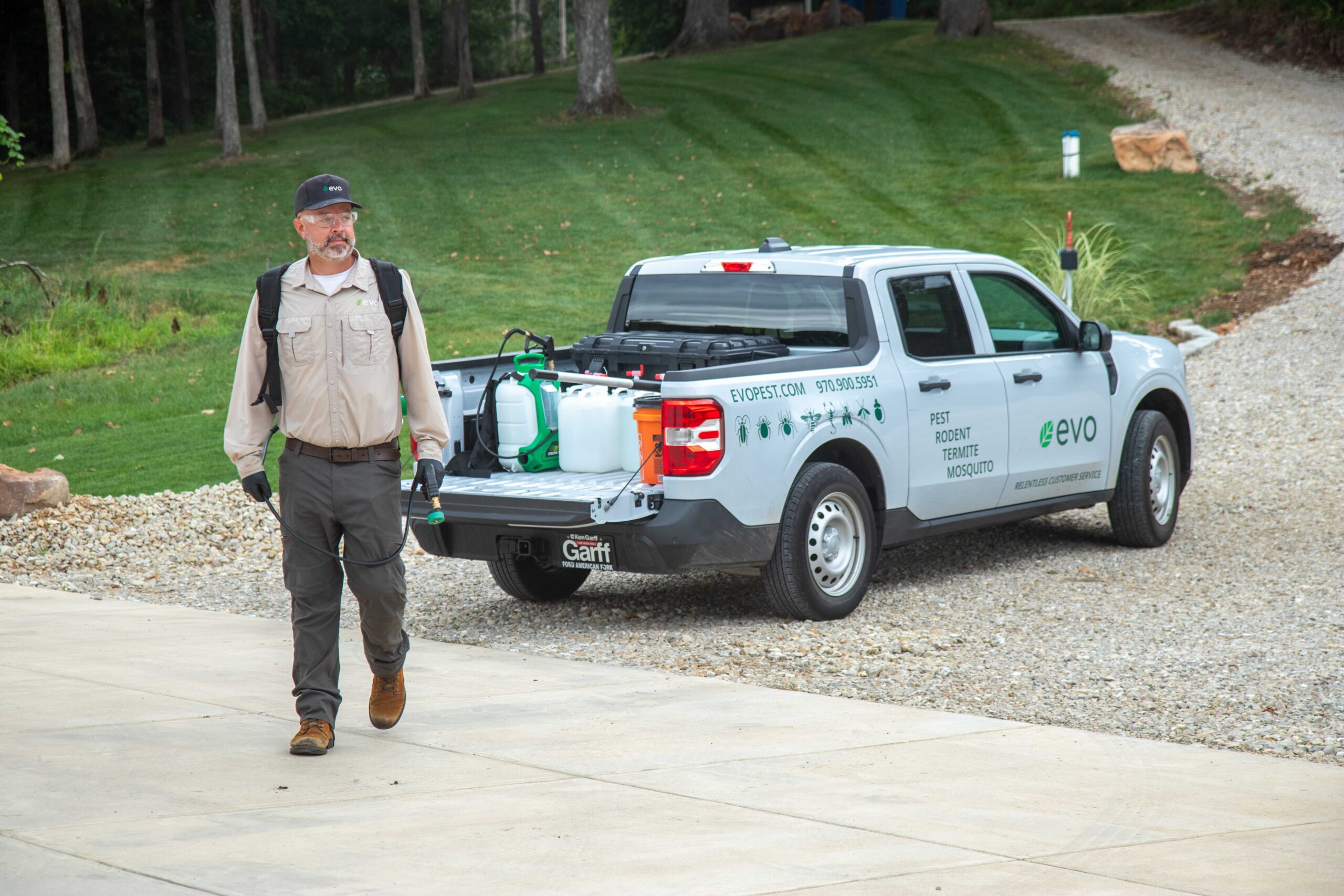
Why Summer Pest Pressure Rises in Kansas and Missouri
Kansas and Missouri share many summer conditions that encourage pest activity. Warm temperatures speed up insect development, while rain and humidity create damp areas where pests can survive and reproduce. Storms may also disrupt outdoor habitats, pushing pests closer to structures.
Several seasonal patterns contribute to higher pest pressure:
- Warmer weather supports faster feeding and breeding
- Rainfall creates standing water and damp shelter
- Dense summer vegetation provides hiding places
- Outdoor dining increases available food sources
- Frequent door and window use creates easier access
Pest activity often builds gradually. A few ants near a patio, one wasp nest under an eave, or mosquitoes after a storm may seem minor at first. However, these early signs can point to conditions that continue supporting activity over time.
Summer preparation works best when it starts early. Waiting until pests are already established can make control more complicated, especially when nesting areas or breeding sites are hidden. A prevention-first approach helps homeowners stay ahead of seasonal activity instead of reacting after pests spread.
Ants Around Kitchens, Patios, and Foundations
Ants are among the most common summer pests because they actively search for food and moisture. In Kansas and Missouri, warm weather can send colonies farther from their nests, often toward patios, kitchens, trash areas, pet bowls, and foundation gaps.
Ant trails may appear along sidewalks, siding, windows, baseboards, or countertops. Seeing a few ants does not always mean a major infestation, but repeated trails usually indicate a reliable food source or entry route.
Common attractants include:
- Crumbs, grease, and sugary spills
- Pet food left out for long periods
- Trash bins without tight lids
- Moisture around sinks and drains
- Gaps near doors, windows, or utility lines
Effective ant control starts with removing attractants and identifying how ants are entering. Cleaning visible trails may help temporarily, but colonies often continue foraging if the source remains. Sealing access points, improving sanitation, and monitoring repeated routes can make a major difference.
When activity continues despite good housekeeping, the issue may involve outdoor nests or hidden entry pathways. A professional inspection can help identify the source and guide more targeted pest control efforts.
Mosquitoes After Rain and Humidity
Mosquitoes are strongly tied to water, which makes summer storms and humidity important risk factors. Even a small amount of standing water can support mosquito development. Around Kansas and Missouri properties, breeding sites may appear in gutters, planters, buckets, toys, birdbaths, low lawn areas, and drainage features.
Mosquitoes are not only active near large bodies of water. They often develop in small, overlooked sources around homes. Once adults emerge, they may rest in shaded vegetation and become more active during cooler parts of the day.
Important mosquito-reduction steps include:
- Empty containers after rain
- Clean gutters and drainage outlets
- Refresh birdbaths and pet bowls often
- Trim shaded vegetation near seating areas
- Correct low spots that hold water
Reducing water sources is one of the most practical forms of mosquito prevention. It interrupts breeding before adult populations increase. Yard-wide monitoring is also important because new water sources can appear after every storm or irrigation cycle.
For broader property guidance during high-activity months, these summer property tips explain how prevention habits can reduce seasonal pest pressure around outdoor areas.
Ticks in Tall Grass and Wooded Edges
Ticks are a significant summer concern because they wait in grass, brush, leaf litter, and shaded transition zones where lawns meet wooded areas or fence lines. People and pets may pick them up while walking, playing, gardening, or resting near overgrown spaces.
Unlike mosquitoes, ticks do not need standing water. They depend more on humidity, vegetation, and host movement. Host animals such as deer, rodents, and pets can carry ticks closer to yards and outdoor living spaces. This makes tick prevention a property-wide concern.
Maintaining grass, trimming brush, and removing leaf litter can reduce tick-friendly habitat. Pet areas should also be inspected regularly, especially if dogs or cats spend time near shaded borders. Outdoor bedding, fence lines, and resting spots should stay dry, clean, and visible.
Ticks are easy to miss, so routine checks matter. After yard work or outdoor play, clothing, skin, and pets should be inspected carefully. When ticks are found repeatedly around the same area, the property may need closer evaluation to identify conditions supporting activity.
Ticks also show why summer pest prevention should extend beyond the immediate home perimeter. A yard may look tidy near the patio but still have high-risk edges along wooded borders, unmowed strips, or shaded fence lines. Creating clearer transitions between maintained lawn and natural areas can reduce contact points. This is especially helpful for families with pets that move between indoor spaces and outdoor play areas throughout the day.
Fleas and Pet-Related Pest Pressure
Fleas can become more active during warm months, especially where pets spend time indoors and outdoors. Summer humidity supports flea development, while shaded areas, pet bedding, carpets, and outdoor resting spots may help activity continue if not managed carefully.
Flea problems often begin with pets but can spread into living areas. Once fleas are indoors, eggs and immature stages may be present in carpets, furniture, bedding, and cracks in flooring. This makes prevention and early response important.
Pet-focused prevention includes:
- Wash pet bedding regularly
- Vacuum carpets and furniture often
- Keep outdoor pet areas trimmed and dry
- Store pet food in sealed containers
- Ask a veterinarian about flea prevention
Outdoor maintenance also matters. Shaded areas where pets rest can become pest-friendly if moisture, debris, or host-animal movement is present. Keeping these spaces clean reduces the chance that fleas and other pests will settle nearby.
When flea activity continues, professional pest control may be needed to address both indoor and outdoor conditions. Treating only visible fleas may not resolve eggs, larvae, or repeated exposure sources.
Cockroaches in Damp and Food-Rich Areas
Cockroaches are often associated with sanitation concerns, but they are also strongly influenced by moisture, shelter, and warmth. During summer, they may become more active in kitchens, bathrooms, basements, utility rooms, garages, and trash areas.
Kansas and Missouri homes may experience cockroach pressure when moisture and food are easy to access. Leaking pipes, overflowing trash, dirty drains, cluttered storage, and unsealed food can all support activity. Cockroaches are also skilled at hiding, which means sightings during the day may suggest a larger concern.
Prevention should focus on consistency. Food-preparation areas should be cleaned regularly, trash should be sealed, and leaks should be repaired promptly. Storage areas should be kept organized so hidden activity is easier to detect.
Cockroach issues can spread quickly if ignored. Because they often stay hidden in cracks, appliances, cabinets, and wall voids, professional inspection may be needed when activity persists. A targeted plan can identify where they are nesting, how they are moving, and which conditions are helping them survive.
Summer habits can unintentionally make cockroach activity worse. Extra trash from gatherings, damp towels near laundry rooms, open pantry packaging, and crumbs under appliances may all provide resources. Warm garages and utility spaces can also become staging areas before activity spreads indoors. Reducing these support points early helps keep a small pest problem from becoming a more established infestation.
Spiders Following Insect Activity
Spiders often become more visible during summer because insect activity increases. Many spiders enter homes while following prey or searching for quiet shelter. They may appear in garages, basements, sheds, corners, window frames, and exterior lights where flying insects gather.
While most spiders are simply part of the outdoor ecosystem, frequent sightings indoors can indicate that other insects are present. Reducing spider activity often starts with reducing the insects they feed on.
Helpful steps include:
- Remove webs from corners and eaves
- Reduce insects around exterior lights
- Seal gaps around doors and windows
- Keep storage areas organized
- Trim vegetation touching the structure
Spiders prefer undisturbed areas, so cluttered storage spaces can encourage activity. Boxes, tools, old furniture, and unused materials should be organized and elevated when possible. This makes hiding spots easier to inspect.
If spider activity remains high, the underlying pest problem may involve a steady supply of insects nearby. A broader pest control strategy can address both spiders and the conditions attracting their prey.
Stinging Insects Near Eaves, Decks, and Yards
Wasps, hornets, and other stinging insects are common summer concerns across Kansas and Missouri. They may build nests under rooflines, deck railings, sheds, playground equipment, wall voids, or trees. Activity often becomes more noticeable as colonies grow larger later in the season.
Stinging insects can become defensive when nests are disturbed. This makes caution important, especially around high-use areas such as patios, walkways, grills, pools, and children’s play spaces. Repeated activity in one location may suggest a nearby nest.
Food and drink can also attract stinging insects during summer gatherings. Sweet beverages, open trash, fallen fruit, and food scraps may draw them closer to people. Keeping outdoor eating areas clean helps reduce attraction, but nest activity should be handled carefully.
Professional support is often the safest option when nests are near living areas. Identifying the nest location and treating it correctly reduces the chance of repeated activity and helps avoid unnecessary risk.
Stinging insect pressure can change quickly as colonies mature. A small nest in early summer may become more active within weeks if it remains undisturbed. Regular exterior checks around eaves, deck undersides, fence posts, and sheds can help catch activity before it affects outdoor routines.
Rodents Taking Advantage of Outdoor Clutter
Rodents are often discussed as a fall or winter issue, but summer conditions can still support activity around properties. Tall grass, cluttered sheds, pet food, trash, wood piles, and overgrown fence lines can provide food and shelter.
Rodents may gather outdoors before moving toward garages, basements, or storage spaces. Once they find reliable shelter or food, they can become difficult to control without addressing access points.
Rodent-risk conditions include:
- Trash bins without secure lids
- Pet food stored in open bags
- Dense vegetation near foundations
- Gaps around garage doors or vents
- Cluttered sheds and outdoor storage
Rodent prevention should focus on exclusion and sanitation. Food sources need to be secured, storage areas should be organized, and exterior gaps should be sealed. Yard cleanup also reduces hiding places and makes activity easier to spot.
When droppings, gnaw marks, or scratching sounds appear, a closer inspection is important. Rodents can damage materials and contaminate surfaces, so early action helps limit both property and sanitation concerns.
Preparing Before Peak Summer Activity
The best time to address a summer pest problem is before activity reaches its highest point. Early preparation gives homeowners time to correct small issues, monitor problem areas, and reduce conditions that support pests.
A strong seasonal plan includes exterior inspection, gap sealing, moisture control, sanitation, yard maintenance, and monitoring. Each step supports the next. When food, water, shelter, and access are reduced together, the property becomes less attractive to summer pests.
For a deeper look at early-season readiness, these peak-season preparation tips explain how homeowners can strengthen prevention before activity becomes widespread. This kind of planning is especially helpful in Kansas and Missouri, where summer weather can change quickly after storms, heat waves, or rapid plant growth.
Professional service can also become more effective when the property is prepared. Clear access, reduced clutter, and documented activity patterns help inspections become more precise. Instead of treating only visible pests, the focus can shift toward the conditions causing them.
Preparation should be repeated during the season, not completed once and forgotten. Summer growth, rain, outdoor meals, and frequent travel through doors can create new pest opportunities. A mid-season review of gutters, screens, trash storage, pet areas, and foundation edges helps keep prevention current. This steady approach supports long-term results and reduces the chance of sudden pest pressure.
Essential Insights
Summer pest problems across Kansas and Missouri are often connected to the same basic conditions: warmth, moisture, food, shelter, and access. Ants, mosquitoes, ticks, fleas, cockroaches, spiders, stinging insects, and rodents all respond to these conditions in different ways. Some gather around standing water, others follow food sources, and some use vegetation or clutter for shelter.
The most effective pest control strategy is prevention-focused. Homeowners can reduce pest pressure by removing standing water, trimming vegetation, sealing gaps, cleaning food areas, securing trash, and monitoring outdoor spaces after weather changes. These steps are simple but powerful when maintained throughout the season.
A pest problem becomes harder to manage when activity is ignored or treated only at the surface. Repeated sightings, nests, droppings, bites, or persistent trails should be evaluated carefully. Professional guidance can help identify the source, recommend targeted solutions, and support long-term protection. With steady attention, summer pests can be kept more manageable before they disrupt the comfort and safety of the property.
The most reliable approach is to combine practical home maintenance with timely expert evaluation when patterns continue. This keeps the response measured, focused, and less dependent on guesswork. By understanding how summer pests behave in Kansas and Missouri, homeowners can prepare earlier, act faster, and protect the property more effectively.
Stay Ahead of Summer Pest Pressure
Seasonal pests are easier to manage when prevention starts early, and problem areas are addressed with care. For expert guidance and a practical pest control plan, contact Evo Pest Control to help protect your property from summer activity across Kansas and Missouri. A season-ready plan can help identify hidden conditions, reduce recurring pest pressure, and support more comfortable outdoor spaces when heat, humidity, and storms make pest activity harder to predict.