
Ticks become more active during warm months, making summer an important time to pay closer attention to outdoor exposure, yard conditions, and pet activity. These small pests are easy to overlook, yet they can carry pathogens that may affect people and animals after a bite. Because tick activity often increases in grassy, wooded, shaded, and humid areas, properties with dense vegetation or wildlife movement may face higher seasonal pressure.
Tick-borne diseases are not something to panic over, but they are worth understanding. Early awareness helps homeowners recognize risk factors, reduce tick habitats, and respond more quickly when bites occur. A thoughtful pest control plan focuses on limiting the conditions that allow ticks to thrive while also encouraging practical habits that reduce exposure.
This guide explains common tick-borne diseases to watch for during summer and how to make the property less inviting to ticks. It is not a substitute for medical advice. Anyone who develops concerning symptoms after a tick bite should contact a healthcare professional. From a property-care perspective, prevention remains the strongest first step.
A good tick-prevention plan also helps improve general outdoor comfort. The same maintenance steps that reduce tick habitats often make yards cleaner, drier, and less attractive to other pests. That matters during summer, when families, children, pets, and guests spend more time outside. By paying attention to tick risks early, homeowners can enjoy outdoor spaces with greater confidence while keeping pest concerns more manageable.
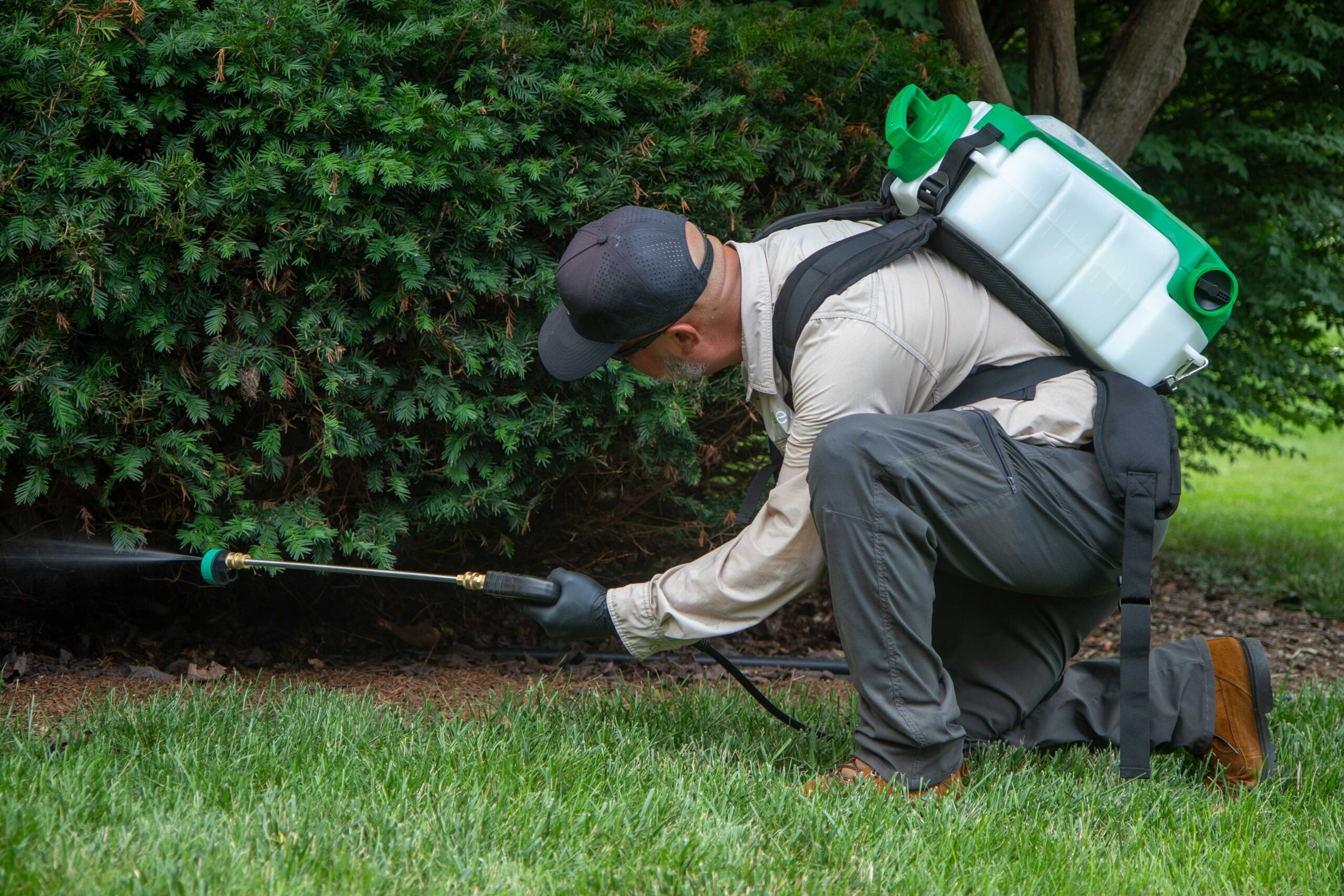
Why Tick Activity Increases During Summer
Ticks are strongly influenced by temperature, humidity, host movement, and outdoor activity. Summer creates ideal conditions because warm weather allows ticks to remain active, while higher moisture levels help them survive in shaded grass, leaf litter, and wooded edges. People and pets also spend more time outdoors, which increases the chance of contact.
Ticks do not jump or fly. They wait on vegetation and attach when a host brushes past. This behavior makes yard conditions especially important. Tall grass, dense shrubs, unmanaged edges, and wildlife pathways can all increase exposure around a property.
Summer tick pressure often increases because:
- Warm temperatures support longer active periods
- Humid areas help ticks avoid drying out
- Wildlife movement brings ticks closer to yards
- Pets may carry ticks from outdoor spaces
- Taller grass and brush create better hiding places
Because ticks can be difficult to detect, prevention requires more than checking the yard once. Consistent mowing, vegetation management, pet checks, and professional evaluation all help lower risk. The goal is to reduce the places ticks use for shelter while making outdoor spaces easier to monitor.
It is also helpful to think about how people use the yard. Children playing near shaded edges, pets resting under shrubs, or adults working in garden beds may all increase contact with tick-friendly areas. Moving frequently used areas toward sunnier, cleaner spaces can reduce exposure without making the yard less enjoyable.
Lyme Disease and Early Awareness
Lyme disease is one of the most widely recognized tick-borne illnesses. It is commonly associated with blacklegged ticks, sometimes called deer ticks. The disease can affect people differently, which is why early awareness matters after any potential tick exposure.
Possible early signs may include fatigue, fever, chills, headache, muscle aches, joint discomfort, swollen lymph nodes, or a rash. Some people develop a bull’s-eye pattern, but not everyone does. Because symptoms can resemble other common illnesses, medical evaluation is important when symptoms appear after a tick bite.
Homeowners can reduce exposure by focusing on outdoor conditions where ticks are likely to wait for hosts. Grass should be kept trimmed, wooded edges should be maintained, and play areas should be kept away from dense vegetation when possible.
Helpful prevention habits include:
- Check clothing after spending time outdoors
- Shower soon after yard or trail activity
- Inspect pets before they come inside
- Keep grass cut and brush controlled
- Use caution near wooded or shaded edges
Lyme disease prevention is not only about personal checks. Property maintenance also plays a role. When tick habitats are reduced around the home, the chance of repeated exposure can decrease throughout the summer.
It is also wise to keep records of tick encounters. Noting where and when ticks are found can help identify patterns around the property. If most ticks are found after pets visit one shaded side yard or after children play near a wooded edge, that information can guide more focused prevention.
Rocky Mountain Spotted Fever
Rocky Mountain spotted fever is another tick-borne disease to know about during summer. Despite its name, it is not limited to mountain regions. Different tick species may be involved depending on location, and the illness can become serious if not addressed promptly.
Symptoms may include fever, headache, muscle pain, nausea, stomach discomfort, and sometimes a rash. The rash does not always appear early, so waiting for one before seeking medical care can be risky. Anyone who feels ill after a possible tick bite should contact a healthcare professional for guidance.
From a prevention standpoint, reducing tick access around the property remains important. Ticks often gather in shaded, humid spaces where grass, brush, and leaf litter provide protection. Keeping these areas maintained can reduce contact points for people and pets.
It is also important to consider wildlife movement. Rodents, deer, stray animals, and other wildlife can carry ticks onto residential properties. While homeowners cannot control every wildlife pathway, they can reduce shelter and food sources that encourage animals to linger near the home. Cleaner yard edges, secured trash, and reduced debris can help support a broader tick-prevention strategy.
Ehrlichiosis and Anaplasmosis
Ehrlichiosis and anaplasmosis are tick-borne illnesses that can cause flu-like symptoms and may become serious, particularly for older adults or people with weakened immune systems. These illnesses are associated with different tick species, but both are more concerning during months when ticks are active, and people spend more time outside.
Symptoms may include fever, chills, headache, muscle aches, fatigue, nausea, or confusion in more severe cases. Because these signs are not always specific, people may not immediately connect them to a tick bite. This is why awareness after outdoor exposure is so important.
Practical steps that may reduce risk include:
- Wear protective clothing in brushy areas
- Check children and pets after outdoor play
- Remove ticks carefully and promptly
- Keep yard edges trimmed and visible
- Reduce leaf litter near outdoor living areas
Property-level prevention supports personal protection. When yards are maintained, ticks have fewer shaded and humid hiding places. This does not eliminate risk, but it helps reduce the number of areas where ticks can wait for hosts.
Professional pest control may be useful when tick pressure remains high despite regular maintenance. A trained inspection can identify where conditions are supporting activity and recommend a more targeted plan.
Babesiosis and Other Tick-Related Concerns
Babesiosis is another illness associated with tick exposure, particularly blacklegged ticks. It affects red blood cells and may cause symptoms such as fever, chills, fatigue, sweats, body aches, or weakness. Some people may experience mild symptoms, while others can develop more serious complications, especially if they are older or have certain health conditions.
Other tick-related concerns can include allergic reactions, localized skin irritation, or secondary infection from scratching a bite. Some regions may also have additional tick-borne diseases that vary by local tick species and wildlife populations. This is why knowing local conditions and staying observant during summer matters.
Although health symptoms require medical guidance, proper prevention can reduce exposure opportunities. A yard that is damp, shaded, and overgrown may provide more tick habitat than a maintained outdoor space. Ticks prefer protected areas where humidity remains stable, so reducing dense cover around the home can help.
Pet owners should be especially attentive. Dogs and cats may pick up ticks outdoors and bring them closer to people. Routine pet checks, veterinary-recommended preventives, and clean outdoor resting areas all contribute to a more complete prevention plan.
Where Ticks Hide Around Properties
Ticks are often found in transition zones where lawns meet wooded areas, tall grass, shrubs, or leaf litter. These areas provide shade, humidity, and access to passing hosts. Around homes, they may be present near fence lines, garden edges, stacked materials, and shaded pet areas.
Common tick-friendly spaces include:
- Tall grass along property edges
- Leaf piles beneath trees and shrubs
- Wooded borders near lawns
- Damp shaded areas under decks
- Outdoor pet resting spots
Ticks are less likely to thrive in sunny, dry, well-maintained areas. This makes yard structure important. Creating a more open, dry, and visible property can reduce habitats that support ticks and other summer pests.
It also helps to separate frequently used areas from high-risk zones. Play equipment, seating areas, and pet spaces should be kept away from dense vegetation when possible. Clear pathways, maintained borders, and reduced ground clutter can make the yard less favorable for ticks while improving overall property appearance.
Yard Maintenance That Supports Tick Reduction
Consistent yard maintenance is one of the most practical ways to reduce tick pressure. Ticks depend on protected areas, so a cleaner and more open landscape can make survival more difficult. This approach also supports broader pest control by reducing shelter for mosquitoes, ants, spiders, rodents, and other summer pests.
Useful yard-maintenance steps include:
- Mow grass regularly during peak growth
- Remove leaf litter and yard debris
- Trim shrubs away from walkways
- Create clear borders near wooded edges
- Keep outdoor seating areas dry and clean
This type of prevention works best when it becomes routine rather than a one-time project. Summer growth can quickly restore the same conditions that ticks prefer, especially after rain or long humid stretches.
For homeowners interested in prevention-focused methods, these sustainable home practices explain how reducing food, water, shelter, and access can support safer, long-term pest management around the home. The same principles apply to ticks because habitat control is central to reducing exposure.
Protecting Pets From Tick Exposure
Pets are often more exposed to ticks because they explore grass, shrubs, fence lines, and shaded outdoor spaces. A dog resting near brush or walking through tall grass may pick up ticks without showing immediate signs. Once indoors, ticks may detach or move to bedding, carpets, or furniture.
Pet-focused prevention should include regular checks after outdoor time. Pay close attention to ears, neck, legs, toes, and under collars. Pet bedding should be washed routinely, and outdoor resting areas should be kept trimmed, dry, and free of debris.
Helpful habits include:
- Ask a veterinarian about tick preventives
- Check pets after walks or yard time
- Wash bedding on a regular schedule
- Keep pet areas away from tall grass
- Remove outdoor food that attracts wildlife
Pets can also indicate whether tick pressure is increasing. If ticks are found repeatedly, the yard may need closer evaluation. This does not always mean there is a severe infestation, but it does suggest that conditions nearby are supporting activity and should be reviewed before exposure increases. Combining veterinary guidance with property-focused prevention provides a more complete approach.
Choosing Treatment Options for Tick Pressure
When tick pressure remains high, homeowners may compare different treatment approaches. Some prefer lower-impact methods, while others may need more direct applications when activity is persistent. The best option often depends on the property, tick levels, vegetation, moisture, wildlife movement, and how outdoor areas are used. A shaded acre with pets and wooded borders may need a different plan than a smaller, sunny yard with limited vegetation and fewer wildlife pathways.
Treatment decisions should consider long-term value, not only the first service cost. A targeted plan may include inspection, habitat reduction, perimeter treatments, yard recommendations, and follow-up monitoring. For homeowners comparing service approaches, this guide on treatment costs explains how different pest-control methods may affect overall value.
A practical tick plan should not rely on treatment alone. If grass remains overgrown, debris continues to collect, and wildlife is encouraged near the home, tick pressure may return. Treatment is strongest when paired with maintenance and monitoring.
Professional insight is helpful because tick activity is often uneven across a property. Some areas may need more attention than others, especially shaded borders, pet zones, and wooded edges.
When Tick Activity Becomes a Larger Concern
Some tick encounters are isolated, especially after hiking, camping, or spending time in wooded spaces. However, repeated tick sightings on people, pets, or outdoor furniture may suggest stronger activity around the property. This is when closer inspection becomes important.
A larger concern may involve recurring ticks in pet areas, multiple ticks found after brief yard exposure, or visible tick activity near shaded borders. These patterns suggest that the yard may be supporting a population rather than only receiving occasional ticks from outside sources.
At this stage, basic maintenance may still help, but professional pest control can provide a more thorough assessment. A trained evaluation can identify habitat zones, moisture conditions, wildlife attractants, and treatment areas that homeowners may miss. This reduces guesswork and helps focus attention where it is most likely to matter, especially in yards with several overlapping risk areas.
Professional support is especially useful when tick activity returns after repeated cleaning, mowing, or trimming. Persistent activity may mean the issue is connected to shaded borders, nearby wildlife, dense ground cover, or moisture conditions that require a more complete plan. Addressing these factors together usually produces better long-term results than treating isolated sightings.
Addressing tick concerns early is especially important during summer because populations and exposure opportunities can increase as outdoor activity continues. Prompt action helps keep the issue more manageable and supports safer use of outdoor spaces. It also helps homeowners avoid waiting until repeated bites or pet exposure make the concern more stressful.
Essential Insights
Tick-borne diseases are a serious summer concern because ticks are more active when weather, humidity, wildlife movement, and outdoor habits support their survival. Lyme disease, Rocky Mountain spotted fever, ehrlichiosis, anaplasmosis, babesiosis, and other tick-related concerns all reinforce the importance of prevention.
The most practical approach begins with awareness. Homeowners should understand where ticks hide, how they reach people and pets, and what conditions make yards more supportive of activity. Mowing, trimming, debris removal, pet checks, moisture reduction, and careful monitoring all help reduce exposure opportunities.
Summer pests are easier to manage when prevention starts early. Tick control is not based on one step alone. It works best when personal precautions, pet care, yard maintenance, and professional guidance come together. Anyone who feels sick after a tick bite should seek medical advice, while property-related concerns should be addressed through careful prevention and targeted pest control support.
Take a Smarter Step Toward Summer Tick Protection
Reducing tick exposure starts with a yard that is easier to inspect, maintain, and protect. For expert guidance and a practical pest control plan, contact Evo Pest Control to help manage summer pests and support safer outdoor spaces throughout the season. A focused service plan can also identify hidden tick habitats, improve prevention efforts, and give homeowners more confidence when using lawns, patios, and pet areas during peak summer activity.