
Creating a home that feels clean, balanced, and protected often comes down to how we manage the small, persistent pressures that build quietly over time. Pest activity is one of those pressures. It rarely announces itself loudly at first. Instead, it shows up in subtle ways. A faint trail along a baseboard. A soft scratching sound behind a wall. A subtle shift in how certain areas of the home feel or smell.
Sustainable pest control offers a more grounded, long-term approach. It moves away from quick fixes and focuses instead on prevention, environmental awareness, and consistent upkeep. The idea is not just to remove pests, but to reshape the conditions that allow them to settle in the first place.
This method also reflects a broader awareness. Homeowners today are more conscious of what goes into their living spaces. They are thinking about indoor air quality, family safety, and environmental impact. Sustainable pest control aligns naturally with these priorities by encouraging targeted, thoughtful strategies instead of excessive or reactive treatments.
What follows is a detailed guide rooted in expert insight. Each section builds on practical habits that reduce pest pressure over time, while also highlighting where professional support becomes an essential part of maintaining lasting results.
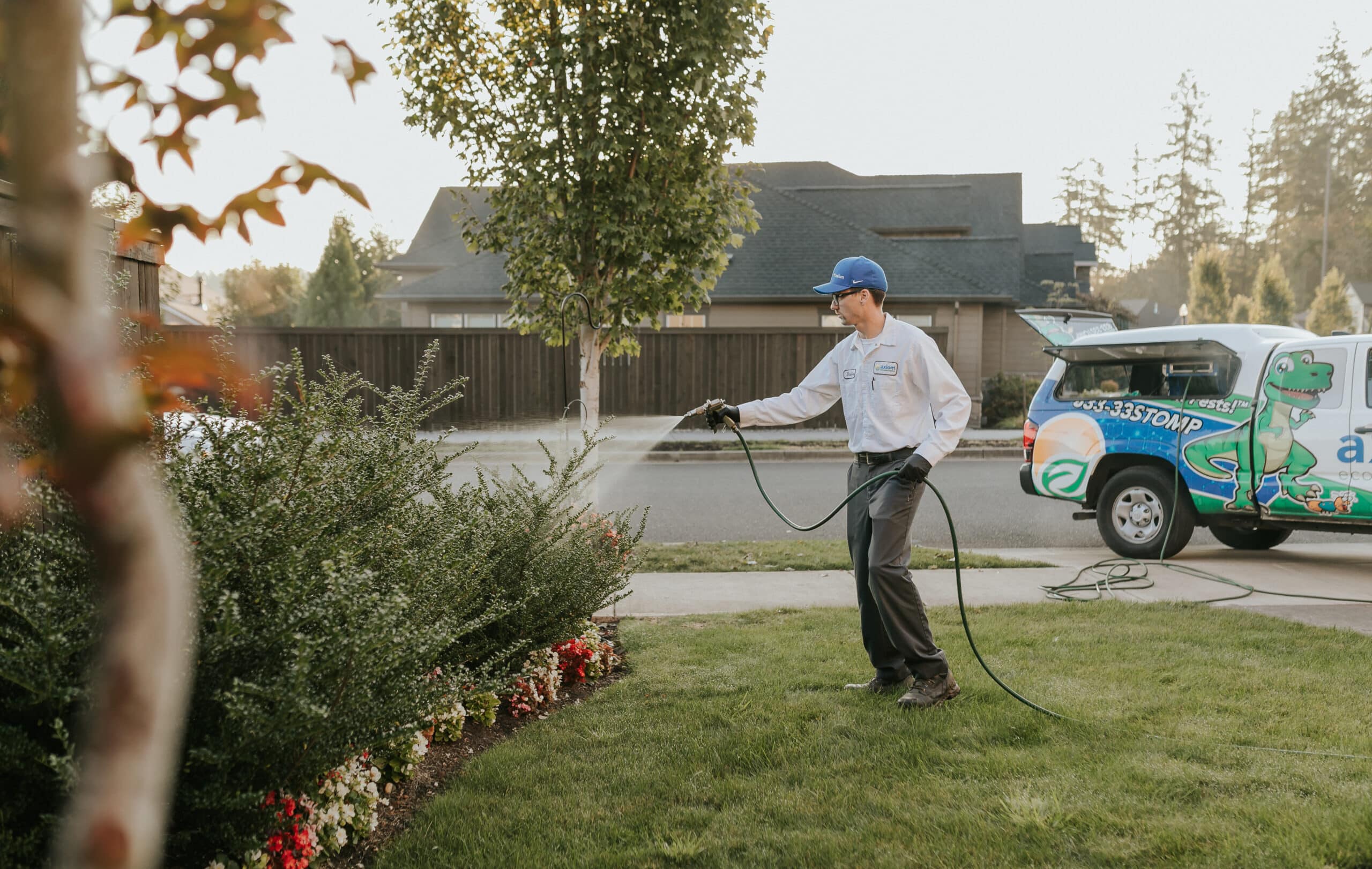
Understanding the Foundation of Sustainable Pest Control
At its core, sustainable pest control is about understanding patterns rather than reacting to symptoms. Pests do not appear randomly. They are drawn to environments that consistently provide access to food, water, and shelter. When those conditions are present, infestations become more likely. When they are removed or limited, pest activity naturally declines.
This approach shifts the focus from elimination to prevention. Instead of asking how to get rid of pests quickly, we begin to ask why they are present at all. That question often reveals overlooked habits or structural details that contribute to the problem.
For example, a small food spill that is rarely noticed can sustain ant activity for weeks. A minor plumbing leak can create enough moisture to attract insects that thrive in damp environments. These are not dramatic issues, but they create a steady invitation for pests to remain.
Sustainable pest control also emphasizes timing and consistency. Addressing conditions early prevents escalation. Waiting until activity becomes visible often means the issue has already developed beneath the surface.
This is where a professional perspective becomes valuable. Experts are trained to identify patterns that are easy to miss. They look beyond the immediate issue and assess the environment as a whole. This leads to more efficient solutions that align with long-term prevention rather than repeated short-term fixes.
Identifying Common Household Pest Entry Points
A significant portion of pest control comes down to access. Even the cleanest home can experience issues if pests are able to enter freely. Many entry points are small and easy to overlook, yet they provide consistent pathways into living spaces.
- Gaps around windows and doors often develop over time as materials shift or wear down. These openings may seem minor, but they allow ants, spiders, and other small insects to enter repeatedly without being noticed
- Cracks in foundations or exterior walls can form due to natural settling or temperature changes. These cracks create hidden routes that pests use to move between outdoor and indoor environments
- Openings around utility lines, such as plumbing or electrical conduits, are common entry points. If these areas are not properly sealed, they provide direct access into walls and interior spaces
- Vents without proper screening allow flying insects to enter, especially during warmer months when activity increases
- Roofline gaps or attic openings can attract pests seeking shelter, particularly during seasonal transitions
Taking time to inspect these areas carefully can reveal vulnerabilities that would otherwise remain hidden. Sealing entry points is one of the most effective steps in sustainable pest control because it addresses the issue at its source.
Professional inspections often go deeper than surface-level checks. They identify structural weaknesses and recommend precise solutions that improve long-term protection.
Maintaining a Clean and Unattractive Environment
Cleanliness is one of the most underestimated factors in pest control. It is not about achieving perfection, but about reducing the subtle signals that attract pests and encourage them to stay.
- Wiping down kitchen surfaces after each use helps remove crumbs, grease, and residue that can sustain insect activity over time
- Storing food in airtight containers prevents scent trails from forming, which is particularly important for pests like ants that rely on scent-based navigation
- Taking out trash regularly and using bins with tight-fitting lids reduces odor buildup and limits access to organic waste
- cleaning under appliances and furniture addresses areas that are often overlooked but can accumulate food particles and debris
- Managing pet feeding areas by removing uneaten food and cleaning bowls helps prevent pests from identifying reliable food sources
Clutter also plays a role. Piles of boxes, unused items, or dense storage areas create hiding spots that allow pests to settle undetected. Reducing clutter makes it easier to monitor activity and limits the spaces where pests can establish themselves.
While these habits are simple, their impact builds over time. A consistently maintained environment becomes less inviting, which reduces the likelihood of persistent infestations.
Managing Moisture to Prevent Infestations
Moisture is one of the strongest attractants for many pests. Even small amounts of excess water can create conditions that support ongoing activity.
- Repairing leaking pipes, faucets, or appliances quickly prevents water from accumulating in hidden areas such as under sinks or behind walls
- ensuring proper drainage in kitchens and bathrooms helps eliminate standing water that can attract insects
- Using dehumidifiers in areas prone to dampness, such as basements or storage spaces, reduces humidity levels that support pest survival
- Monitoring indoor plants and avoiding overwatering prevents soil from becoming a consistent moisture source
- Addressing condensation around windows, pipes, or HVAC systems helps eliminate subtle moisture buildup that might otherwise go unnoticed
Moisture control becomes especially important during seasonal changes. Spring pest control often requires extra attention in this area, as rising temperatures and increased humidity create ideal conditions for pest activity.
Professionals often use moisture detection tools to identify problem areas that are not immediately visible. This level of insight can prevent recurring issues that are difficult to resolve through surface-level adjustments alone.
Landscaping Practices That Reduce Pest Activity
Outdoor environments have a direct impact on indoor pest activity. A yard that supports pests will often lead to increased pressure inside the home.
- Trimming trees, shrubs, and plants away from the home reduces physical contact points that pests use to move indoors
- Removing standing water from gutters, planters, and outdoor containers eliminates breeding grounds for insects
- Keeping mulch layers at a moderate depth and away from the foundation prevents moisture buildup and reduces hiding spaces
- Storing firewood at a distance from the home minimizes the risk of pests moving from woodpiles into interior spaces
- Maintaining a clear boundary between landscaping and structural surfaces helps limit pathways for crawling insects
These practices create a buffer zone that reduces the likelihood of pests reaching the home in the first place. They also make it easier to monitor outdoor activity and address issues before they move indoors.
Professional services often include outdoor assessments that identify risk factors specific to the property. This helps create a more targeted and effective approach to long-term pest management.
Safe and Responsible Use of Pest Control Products
Sustainable pest control does not eliminate the use of treatments. Instead, it focuses on using them carefully and only when necessary. The goal is to achieve results without unnecessary exposure or environmental impact.
Modern pest control products are designed to be more targeted than traditional methods. When applied correctly, they can address specific issues without affecting the broader environment.
Understanding how different options perform is important. For example, insights from pet safe pest control can help clarify how newer solutions balance effectiveness with safety considerations.
Overuse or improper application can reduce effectiveness over time. It can also lead to resistance, making future treatments less reliable. This is why professional guidance is often recommended when dealing with persistent or complex infestations.
Experts assess the situation, select the appropriate treatment, and apply it in a way that supports long-term results. This approach aligns with the principles of sustainable pest control while maintaining a high level of effectiveness.
Seasonal Adjustments for Long-Term Control
Pest behavior changes throughout the year, which means pest control strategies should also adapt. A method that works during one season may not be as effective during another.
- Increasing inspections during warmer months helps identify activity early, as many pests become more active with rising temperatures
- Preparing entry points before seasonal transitions ensures that pests do not take advantage of changing conditions
- Monitoring outdoor conditions, such as rainfall or temperature shifts, helps anticipate changes in pest behavior
- Adjusting cleaning routines based on seasonal use of different areas of the home supports consistent prevention
- Maintaining preventive measures year-round ensures that pest pressure does not build gradually over time
Spring pest control is particularly important because it marks the start of increased activity for many species. Addressing potential issues early can prevent larger infestations later in the year.
Professionals often create seasonal plans that align with local pest patterns. This structured approach provides consistent protection without relying on reactive treatments.
Monitoring and Early Detection Strategies
Early detection is one of the most effective tools in sustainable pest control. Identifying activity before it becomes widespread reduces the need for more intensive interventions.
- Checking for signs such as droppings, shed skins, or nesting materials provides early indicators of pest presence
- Listening for unusual sounds within walls or ceilings can reveal hidden activity that might not be visible
- Inspecting dark or undisturbed areas regularly helps identify issues before they spread
- tracking patterns over time allows homeowners to recognize recurring problems and address them proactively
- Keeping a simple record of sightings or activity helps build awareness and supports more accurate assessments
Consistency is essential. Occasional checks may not reveal much, but regular observation creates a clearer picture of what is happening within the home.
Professional monitoring takes this a step further by using specialized tools and techniques. This allows for more precise detection and faster response when needed.
When Professional Support Becomes Essential
While many aspects of sustainable pest control can be managed at home, certain situations require professional expertise. Persistent infestations, hidden colonies, and structural vulnerabilities often go beyond what basic methods can address.
Professionals bring a level of insight that comes from experience. They assess not just the visible issue, but the underlying conditions that contribute to it. This leads to solutions that are both effective and aligned with long-term prevention.
Structured programs can also provide ongoing support. Resources like seasonal pest packages offer a way to maintain consistent control without relying on repeated reactive treatments.
This partnership between homeowner habits and professional expertise creates a more balanced and sustainable approach to pest management.
Balancing Effectiveness and Environmental Responsibility
One of the key challenges in pest control is finding the right balance between effectiveness and environmental responsibility. Sustainable pest control aims to achieve both.
- Selecting treatments that target specific pests reduces unnecessary exposure to surrounding areas
- minimizing chemical use whenever possible supports healthier indoor environments
- Focusing on prevention reduces the need for repeated treatments over time
- Considering the impact on pets and family members ensures that safety remains a priority
- Maintaining consistent routines supports long-term results without excessive intervention
This balanced approach reflects a broader understanding of pest control. It is not just about removing pests, but about creating conditions that support a healthier and more stable living environment.
Professionals play an important role in maintaining this balance. Their expertise ensures that treatments are applied correctly and only when necessary.
Building a Routine That Supports Lasting Results
Consistency is what transforms individual actions into lasting results. Sustainable pest control works best when it becomes part of a regular routine rather than a one-time effort.
Daily habits, such as cleaning and monitoring, combine with seasonal adjustments to create a comprehensive approach. Over time, these practices reduce the likelihood of recurring issues and make the home less attractive to pests.
This does not require perfection. It requires awareness and a willingness to adapt as conditions change. Small adjustments, when maintained consistently, have a significant impact.
Professional support can enhance this routine by providing periodic assessments and targeted treatments when needed. This ensures that any emerging issues are addressed before they become more serious.
A Smarter Way Forward for a Pest-Free Home
Sustainable pest control offers a practical, thoughtful way to manage pest activity while maintaining a healthy living environment. By focusing on prevention, consistency, and informed decision-making, homeowners can achieve long-term results without relying heavily on reactive measures.
Take the Next Step Toward Lasting Protection
For expert guidance and tailored solutions, reach out to Evo Pest Control and discover how professional care can support a more effective and balanced approach to pest management.