
Homeowners comparing pest-management options often focus on two major concerns: effectiveness and cost. While many people understand that pest-control methods vary, fewer understand how pricing changes depending on the type of treatment being used. Questions about natural pest control and chemical pest control have become more common as homeowners look for long-term solutions that align with household priorities, environmental concerns, and ongoing maintenance expectations.
The difference in cost between these approaches is not always straightforward. Some treatment plans involve higher initial service expenses but lower long-term maintenance costs. Others may appear affordable at first but require repeated visits over time due to recurring pest activity. The overall cost of pest control depends on far more than treatment type alone.
Property size, infestation severity, environmental conditions, moisture levels, structural vulnerabilities, and prevention habits all influence how much pest-management services cost over time. In many cases, long-term value depends less on whether the approach is labeled natural or chemical and more on how effectively the strategy reduces recurring pest pressure.
Understanding how these systems differ helps homeowners make more informed decisions regarding treatment expectations, service frequency, and long-term prevention planning.
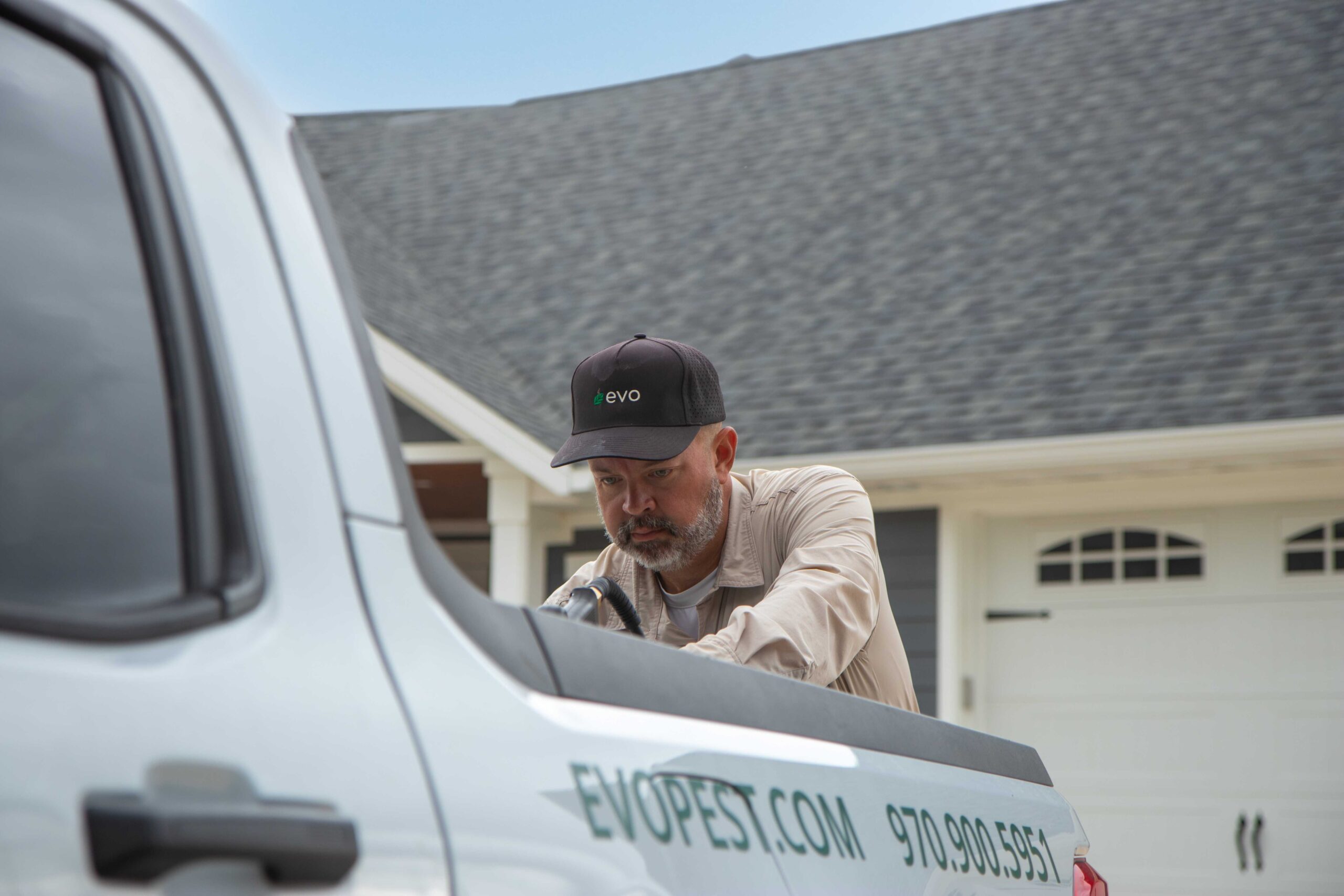
Understanding Natural Pest Control
Natural pest control focuses on reducing pest activity through prevention-focused methods, environmental improvements, targeted applications, and lower-impact treatment strategies. Instead of relying heavily on repeated broad applications, this approach emphasizes correcting the conditions that pests depend on.
Natural pest-control strategies commonly include:
- Moisture reduction and drainage improvements
- Sealing structural gaps and entry points
- Exterior-focused prevention strategies
- Monitoring pest activity over time
- Reducing food and water access indoors
This method often requires greater attention to long-term maintenance because the goal is not simply eliminating visible pests temporarily. Instead, the focus remains on creating conditions where infestations are less likely to develop repeatedly.
Natural pest control may involve professional treatment products, but these strategies are usually combined with structural prevention and environmental adjustments. This prevention-oriented approach can improve long-term stability while reducing the likelihood of recurring infestations.
Homeowners often choose natural pest control because it supports a more balanced long-term strategy. Rather than depending entirely on reactive treatment, prevention becomes a central part of the overall pest-management plan.
Understanding Chemical Pest Control
Chemical pest control focuses more directly on reducing active infestations through treatment applications designed to eliminate pests efficiently. These methods may involve liquid applications, baiting systems, crack-and-crevice treatments, or professional-grade barrier protection.
Common chemical pest-control strategies include:
- Interior and exterior barrier treatments
- Targeted crack-and-crevice applications
- Baiting systems for rodents and insects
- Seasonal preventative treatments
- Follow-up applications for active infestations
In many situations, chemical pest control produces faster visible results, especially when infestations are already severe or widespread. This makes it a practical solution when pest activity has already become difficult to manage through prevention alone.
However, long-term success still depends heavily on correcting environmental conditions. Even highly effective treatments may only provide temporary relief if moisture issues, entry points, food access, or sanitation concerns remain unresolved.
Modern chemical pest-control strategies often involve far more precision than homeowners expect. Instead of widespread application, professionals increasingly focus on targeted treatment placement and exterior-focused prevention methods that improve efficiency while reducing unnecessary exposure.
Why Pricing Differences Are Often Misunderstood
Many homeowners assume natural pest control is automatically more expensive than chemical pest control, but pricing differences are usually more complicated. The actual cost of pest management depends heavily on the property itself and the level of ongoing maintenance required.
Several factors influence pest-control pricing:
- Property size and layout complexity
- Severity of current infestations
- Type of pests involved
- Frequency of service visits
- Long-term monitoring requirements
For example, a property with recurring moisture problems may require extensive monitoring regardless of treatment style. Likewise, a severe rodent infestation may require multiple visits, whether natural pest control or chemical pest control is used.
Short-term treatment expenses also do not always reflect long-term costs accurately. A lower-priced one-time treatment may become more expensive later if recurring infestations require repeated follow-up service.
In many situations, the overall cost of pest management is determined more by prevention and consistency than by the treatment label itself.
The Long-Term Value of Prevention-Focused Strategies
One reason many homeowners explore natural pest control is the emphasis on prevention-focused management. Prevention strategies aim to reduce the environmental conditions that support pest activity before infestations become severe.
Important prevention-focused adjustments may include:
- Improving drainage around the structure
- Reducing excess indoor moisture
- Managing sanitation near food-storage areas
- Trimming vegetation near exterior walls
- Sealing entry points around windows and doors
These adjustments often reduce pest pressure gradually over time. While prevention-focused strategies may require more consistency initially, they can lower recurring treatment demands later.
For example, correcting drainage problems may reduce long-term mosquito activity, while sealing structural gaps may lower recurring rodent and insect entry for years afterward. These improvements create more stable environmental conditions that support long-term pest reduction.
Prevention also improves treatment efficiency. Whether using natural pest control or chemical pest control, treatments generally perform better when pest-friendly conditions are reduced first.
For more insight into prevention-focused methods, these sustainable home practices explain how environmental adjustments help support more reliable pest-control results over time.
Situations Where Chemical Pest Control May Increase Costs
Chemical pest control can sometimes become more expensive when recurring infestations require repeated service visits. Severe infestations, unresolved structural conditions, and persistent environmental issues often increase the need for ongoing corrective treatment. In these cases, the treatment itself may work, but the surrounding conditions continue allowing pests to return.
Conditions that may increase treatment costs include:
- Heavy infestations have already spread throughout the property
- Moisture-rich environments support pest activity
- Structural gaps allowing repeated pest entry
- Delayed treatment allows infestations to worsen
- Seasonal surges requiring additional monitoring
In these situations, relying entirely on repeated treatment without correcting environmental conditions may lead to ongoing expenses. This is especially true for pests that reproduce quickly or thrive in hidden moisture-prone areas. Cockroaches, ants, mosquitoes, and rodents can remain difficult to manage when food, water, shelter, or entry points are still available.
Cost may also increase when infestations require follow-up applications, expanded inspection areas, or specialized treatment methods. A larger problem often takes more time to evaluate and may require a more detailed service plan than a smaller, early-stage issue.
Many modern pest-management strategies now combine direct treatment with prevention-focused recommendations. This helps reduce long-term treatment frequency while improving overall effectiveness. Addressing moisture, sealing gaps, improving sanitation, and monitoring activity can make chemical pest control more efficient and less repetitive over time.
The most cost-efficient approach is often the one that balances immediate pest reduction with long-term environmental correction.
How Property Conditions Affect Overall Expenses
The condition of the property itself often affects pest-control costs more than the treatment category. Homes with unresolved moisture problems, poor ventilation, damaged seals, cluttered storage areas, or landscaping issues usually require more extensive monitoring and prevention work. These conditions can make pest activity harder to control because they continue giving insects and rodents access to shelter, water, and entry points.
Important property-related factors may include:
- Crawl-space moisture levels
- Foundation and drainage conditions
- Ventilation quality indoors
- Exterior vegetation density
- Existing structural deterioration
Properties with multiple contributing conditions generally require additional service time, monitoring, and follow-up evaluation. This can increase overall expenses even when lower-impact treatment strategies are used. For example, a home with dense shrubs touching the exterior, clogged gutters, and small foundation gaps may need more than a standard treatment visit to reduce recurring pest activity.
The layout of the home can also affect cost. Larger properties, older structures, crawl spaces, basements, attics, and attached garages may require more inspection time and a more detailed treatment plan. Pests often use hidden areas to travel or nest, so the more complex the structure is, the more carefully it needs to be evaluated.
Addressing these environmental and structural concerns early often lowers long-term pest pressure significantly. Preventative corrections reduce the likelihood of recurring infestations and help treatment plans remain more stable over time. This may include improving drainage, repairing seals, reducing clutter, trimming vegetation, and correcting moisture concerns before they become larger issues.
Professional inspections are valuable because they identify the conditions contributing to pest activity rather than focusing only on visible pests themselves. This broader view helps determine whether natural pest control, chemical pest control, or a combined strategy is most appropriate for the property’s needs.
Seasonal Changes and Their Impact on Pest-Control Costs
Seasonal changes strongly influence pest activity, which means treatment strategies and service costs may shift throughout the year. Pest behavior changes according to temperature, rainfall, humidity, and seasonal movement patterns. Because these conditions are not static, pest-management plans often need to adjust as the year progresses.
During warmer months, increased insect activity may require more frequent inspections and preventative service. Ants, mosquitoes, cockroaches, spiders, and other pests become more active when temperatures rise and moisture conditions increase. These warmer periods often create ideal breeding and nesting conditions, which can lead to faster population growth if activity is not addressed early.
Cooler months often shift attention toward rodents and shelter-seeking pests moving indoors. As outdoor conditions become less favorable, pests may look for warmth, food, and protected nesting areas inside homes. These seasonal patterns affect both natural pest control and chemical pest control strategies because the focus may change from exterior activity to entry-point prevention and indoor monitoring.
Seasonal pest-management adjustments may include:
- Increased exterior monitoring during spring
- Mosquito-focused moisture reduction during summer
- Rodent exclusion work during colder months
- Seasonal preventative barrier applications
- Ongoing inspection of vulnerable areas
Properties located in high-humidity environments or areas with long warm seasons may require more consistent service throughout the year. This can influence overall long-term treatment expenses regardless of the pest-control method selected. Homes near wooded areas, standing water, dense landscaping, or heavy vegetation may also experience stronger seasonal pest pressure, which can increase the need for monitoring and prevention.
Seasonal cost changes are also affected by timing. Addressing pest activity early in the season is usually more manageable than waiting until populations have already grown. Preventative service may require planning and consistency, but it can help reduce the likelihood of larger, more expensive infestations later.
Understanding seasonal activity allows treatment plans to become more proactive rather than reactive. Early prevention often reduces the likelihood of larger infestations later in the season and helps keep long-term pest-control costs more predictable.
Why One-Time Treatments Often Become More Expensive
One-time treatments are frequently viewed as affordable because they involve only a single visit initially. However, repeated infestations can quickly increase total expenses when underlying environmental conditions remain unchanged. A temporary reduction in visible activity may feel like progress, but it does not always mean the source of the problem has been corrected.
Without prevention-focused improvements, pests may continue returning because conditions still support their activity. Moisture problems, food access, structural gaps, and outdoor nesting conditions all contribute to recurring infestations. When these issues remain in place, even effective treatment may only provide short-term relief.
Repeated one-time treatments may eventually cost more because they address visible symptoms without improving the factors allowing pests to survive and return.
Recurring problems often involve:
- Persistent moisture buildup
- Unsealed entry points
- Outdoor nesting areas near the structure
- Inconsistent sanitation practices
- Poor environmental maintenance
Long-term pest-management strategies are generally designed to reduce these recurring conditions gradually. Prevention-focused planning often lowers the need for repeated emergency treatment later by addressing pest pressure before it becomes more severe.
This is where ongoing evaluation becomes especially important. Regular inspection and maintenance help identify changing conditions that may invite pests back into the property. Over time, this creates a more controlled environment and reduces the likelihood of paying for repeated corrective visits.
The goal is not simply temporary pest reduction. Long-term success depends on creating conditions where infestations become less likely to return repeatedly.
Pet-Friendly Pest Control and Long-Term Value
Many homeowners evaluating pest-control costs also consider household safety and environmental balance. Pet-friendly pest-management approaches often emphasize targeted placement, prevention-focused treatment, and exterior-focused strategies.
Pet-friendly pest-management methods commonly involve:
- Exterior-focused treatment placement
- Reduced broad-surface applications
- Ongoing monitoring and prevention
- Structural exclusion improvements
- Precision-based treatment adjustments
In many cases, these approaches require more planning and monitoring upfront. However, they may also reduce the need for repeated indoor applications later by emphasizing long-term prevention.
Modern pest-management strategies increasingly focus on treatment precision rather than excessive application. This often improves long-term stability while helping reduce recurring pest pressure.
For additional perspective on prevention-focused treatment planning, these pet-safe methods explain how targeted strategies support long-term pest-management effectiveness.
The Importance of Ongoing Monitoring and Maintenance
Long-term pest control depends heavily on ongoing monitoring. Pest activity changes gradually over time due to environmental conditions, weather shifts, structural wear, and seasonal movement patterns. Even when a property appears stable, small changes can create new pest pressure if left unnoticed.
Monitoring allows pest-management strategies to adjust before infestations become severe. It also helps identify whether existing prevention efforts are still working as intended or need refinement.
Ongoing monitoring may involve:
- Inspecting moisture-prone areas regularly
- Evaluating exterior pest pressure
- Monitoring treatment effectiveness over time
- Watching for seasonal activity changes
- Adjusting prevention strategies when needed
This process improves treatment precision while reducing the likelihood of major infestations developing unexpectedly. It also provides a clearer picture of how pests are responding to current conditions around the property.
Consistent monitoring supports cost efficiency because small issues are often easier to manage before they spread throughout the property. Early intervention usually requires less intensive correction than large-scale infestation treatment later.
Regular maintenance also strengthens both natural pest control and chemical pest control strategies. Sealing gaps, clearing debris, managing moisture, and keeping storage areas organized all help treatments perform more effectively.
Whether using natural pest control or chemical pest control, long-term success depends on maintaining stable environmental conditions and responding to changes before pest activity escalates.
Essential Insights
There can be meaningful cost differences between natural pest control and chemical pest control, but long-term expenses depend on far more than treatment type alone. Property conditions, infestation severity, prevention habits, monitoring needs, and environmental management all influence the total cost of pest management over time.
Natural pest control often emphasizes prevention-focused environmental correction and long-term maintenance, while chemical pest control may provide faster visible reduction during active infestations. However, both strategies become far more effective when combined with ongoing monitoring, structural prevention, and consistent environmental management.
In many situations, the most cost-efficient pest-management approach is the one that reduces recurring infestations instead of repeatedly reacting to visible pest activity. Long-term stability usually comes from balancing prevention, monitoring, treatment precision, and environmental awareness.
Homeowners who focus only on short-term treatment pricing may overlook the long-term value of prevention-focused pest management. Sustainable results are often achieved through consistency rather than one-time correction alone.
Build a More Effective Long-Term Pest-Control Plan
For professional guidance and a balanced approach to pest management, contact Evo Pest Control to explore long-term solutions tailored to your property’s specific pest-control needs. A well-planned strategy can help address current pest concerns while reducing the conditions that allow recurring activity to develop over time.