
Spring brings a welcome shift in weather, longer days, and more time outdoors with your dog. It also marks the return of pest activity. Ants begin scouting kitchens, spiders reappear in quiet corners, and rodents look for accessible shelter. For homeowners with dogs, this seasonal change introduces a specific concern: how to manage pests without exposing pets to unnecessary risks.
Pet-safe pest control is not simply about choosing gentler products. It involves a layered approach that considers behavior, environment, treatment timing, and long-term prevention. Dogs interact with their surroundings differently than humans. They sniff, lick, and explore areas that might otherwise go unnoticed. Because of this, pest control strategies must account for constant contact with treated surfaces.
This article explores practical, expert-informed approaches to spring pest control that align with homes where dogs are present. The goal is not only to reduce pest pressure, but also to create a safer, more controlled environment where both pets and people can feel comfortable.
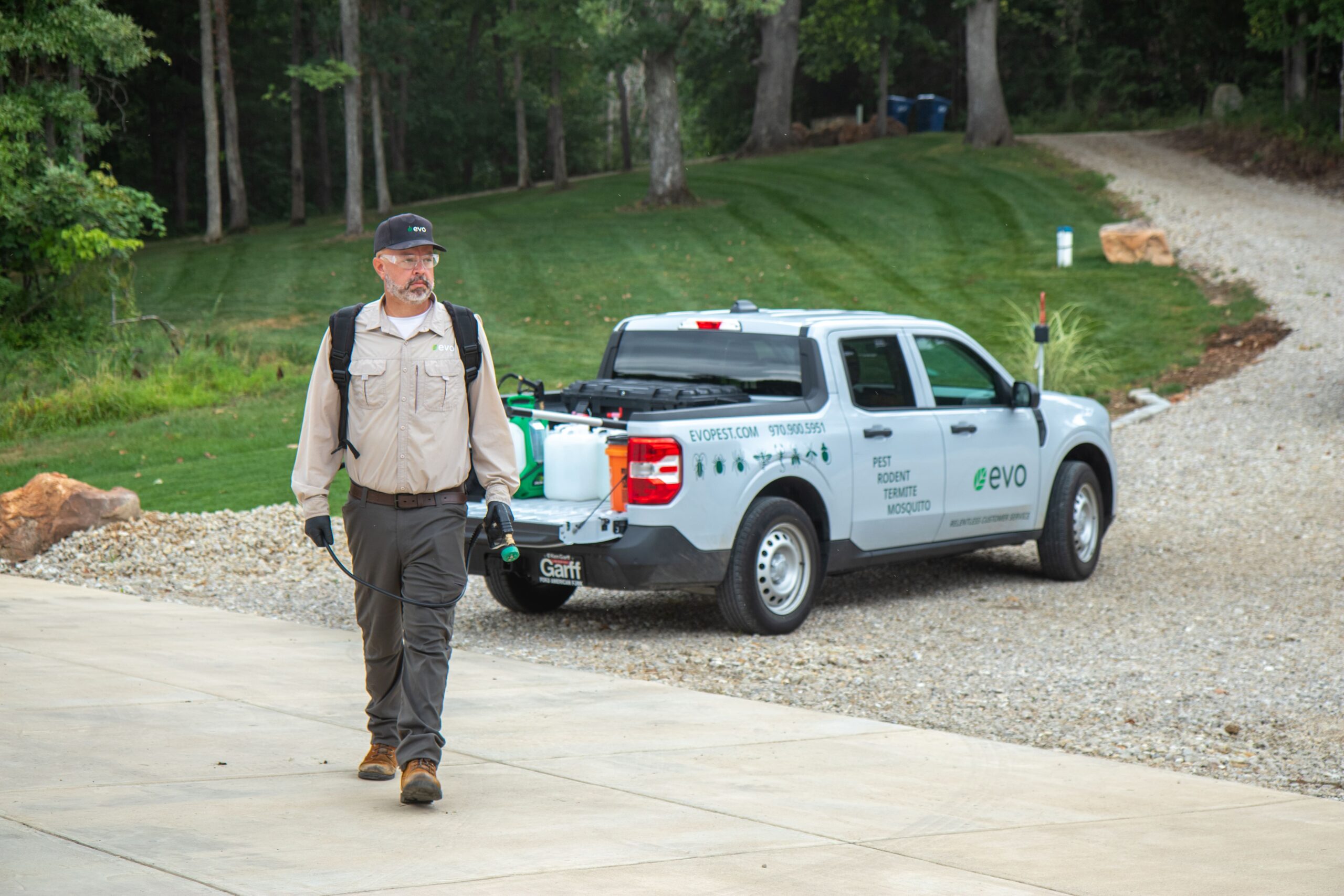
Why Spring Pest Control Matters More in Dog-Friendly Homes
Spring is not just a time when pests become visible. It is when many pests begin breeding cycles, expand nesting areas, and actively search for food sources. This increased activity means infestations can establish quickly if left unmanaged.
In homes with dogs, this period becomes more critical because:
- Dogs spend more time outdoors and may carry pests indoors
- Increased ventilation, open doors, and yard activity invite insects inside
- Food bowls, crumbs, and pet waste can attract ants, flies, and rodents
- Dogs often rest in low, hidden areas where pests also thrive
When pest populations grow unchecked early in the season, control becomes more complex later. A proactive spring pest control strategy helps limit this escalation while allowing treatments to be applied in a more controlled, targeted manner.
Pet-safe pest control begins with understanding that timing plays a role in both effectiveness and safety. Early intervention reduces the need for heavier treatments later, which is especially important in homes where pets are constantly exposed to surfaces.
Understanding Pet-Safe Pest Control Approaches
Pet-safe pest control does not mean eliminating all chemical use. Instead, it focuses on using products and methods that are carefully selected, applied, and monitored to minimize exposure risks.
At a professional level, this approach typically includes:
- Targeted treatments rather than broad applications
- Low-toxicity formulations designed for residential environments
- Strategic placement away from high-contact pet areas
- Controlled application timing with proper drying or settling periods
Many modern pest control strategies prioritize integrated methods that combine environmental management with selective treatments. This reduces reliance on widespread chemical use and focuses on long-term prevention.
For homeowners, the key takeaway is that safety is influenced by how treatments are used, not just what is used. Even products labeled as safer require proper handling and awareness of how pets interact with treated spaces. In our resource about safe vs traditional methods, we break down how these options compare in real-world scenarios.
Common Spring Pests That Affect Homes with Dogs
Spring introduces a variety of pests that can directly or indirectly affect dogs. Understanding these pests helps guide the right prevention and control methods.
- Ants. Often attracted to pet food and water bowls, ants can quickly form trails inside kitchens and feeding areas.
- Spiders. While many are harmless, their presence can indicate underlying insect activity. Dogs may disturb webs or get bitten while exploring.
- Fleas. These pests thrive in warmer weather and can infest both pets and indoor spaces, leading to discomfort and ongoing treatment challenges.
- Ticks. Common in grassy or wooded areas, ticks can attach to dogs and be carried indoors, posing health concerns.
- Rodents. Mice and rats are drawn to food sources and shelter, and their droppings can contaminate areas where dogs roam.
- Wasps and stinging insects. Outdoor play areas can become risky if nests are present, increasing the chance of stings.
Each of these pests requires a slightly different control approach. A general, one-size method often misses the nuances needed to manage them effectively while maintaining a safe environment for pets.
Safe Indoor Pest Control Strategies for Dog Owners
Indoor pest control is where dogs are most consistently exposed, making careful planning essential. The goal is to manage pests while reducing direct contact with treated surfaces. Unlike outdoor areas, indoor environments are enclosed, which means any treatment applied can linger longer and increase the chance of contact. Because dogs often lie on floors, explore baseboards, and rest in corners, these zones must be approached with extra care.
A more thoughtful strategy focuses on precision rather than coverage. Instead of treating entire rooms, pest control efforts should concentrate on the areas where pests actually travel or hide. This reduces unnecessary exposure while still addressing the source of the problem. It also allows treatments to work more efficiently since they are placed where pests are most active.
- Focus on crack and crevice treatments instead of open-area spraying
- Keep pet food sealed and stored in airtight containers
- Clean feeding areas regularly to remove residue and attractants
- Use bait systems placed in inaccessible locations
- Vacuum frequently to remove eggs, debris, and pest activity signs
- Avoid leaving standing water, especially near sleeping areas
Professional treatments often concentrate on entry points and hidden zones rather than open floors where pets walk. This targeted approach reduces exposure while maintaining effectiveness. It also helps prevent pests from spreading deeper into the home, which can lead to more complex infestations over time.
Another important factor is consistency. Even the safest treatments will not perform well if underlying conditions remain unchanged. Simple habits like wiping surfaces, sealing gaps, and reducing moisture can significantly lower pest pressure. When these practices are combined with well-placed treatments, the result is a more stable and pet-conscious indoor environment.
It is also important to follow any recommended waiting periods after treatment. Even low-impact products require time to settle before pets can safely re-enter treated areas. Allowing proper ventilation and drying time ensures that surfaces are safe for everyday contact, especially in spaces where dogs frequently rest.
Outdoor Yard Treatments That Keep Dogs Safe
Outdoor pest control plays a major role in reducing the number of pests that make their way indoors. However, dogs spend a significant amount of time in yards, so treatment methods must be carefully selected.
- Treat perimeter areas instead of entire lawns when possible
- Avoid applying treatments during peak pet activity times
- Keep dogs off treated areas until products have fully dried
- Remove standing water where mosquitoes and insects breed
- Maintain grass at a manageable height to reduce pest hiding spots
- Inspect and remove nests or high-risk pest zones early
A well-managed yard reduces the need for repeated indoor treatments. By controlling pests at the source, homeowners can create a more stable environment overall.
Outdoor pest control is most effective when paired with consistent maintenance. Seasonal inspections and adjustments help prevent pests from establishing long-term habitats.
Natural and Low-Impact Solutions for Spring Pest Control
Some homeowners prefer to start with natural or lower-impact methods, especially in homes with pets. While these options can be useful, they work best as part of a broader strategy. On their own, they may not always provide complete control, but they can reduce pest activity and support other treatments when used correctly.
Natural approaches often focus on disrupting pest behavior rather than eliminating pests entirely. This includes making the environment less appealing, blocking entry points, and using materials that deter insects from settling. These methods are particularly helpful for maintaining control between professional treatments or during early stages of pest activity.
- Diatomaceous earth for crawling insects in dry areas
- Essential oil-based repellents in controlled applications
- Vinegar solutions for cleaning and deterring ants
- Sticky traps for monitoring pest activity
- Physical barriers such as door sweeps and screens
- Regular decluttering to eliminate hiding spots
One of the advantages of these solutions is their flexibility. They can be applied in specific areas where pest activity is noticed without affecting the entire home. This makes them a practical option for households that want to limit widespread exposure while still taking action against pests.
However, it is important to understand their limitations. Natural methods often require more frequent application and careful placement to remain effective. They may not address hidden infestations or pests that have already established nests within walls or other concealed spaces.
A balanced approach often combines these methods with professional treatments to achieve more reliable results. By layering prevention, monitoring, and targeted control, homeowners can maintain a safer environment for their dogs while still addressing pest concerns in a meaningful way.
How Professional Treatments Minimize Risk for Pets
Professional pest control services are designed to account for safety, especially in homes with pets. This includes both product selection and application techniques.
- Use of formulations that target pests while limiting residual exposure
- Application methods that avoid open surfaces and pet pathways
- Clear communication about re-entry times and precautions
- Inspection-based treatment plans tailored to each property
- Ongoing monitoring to adjust treatments as needed
Professionals also consider the behavior of pets when designing treatment plans. For example, areas where dogs frequently rest or play are treated differently than less accessible zones. From our blog post on keeping pets safe, we share practical ways households can prepare before and after a service visit.
Signs Your Current Pest Control May Not Be Pet-Friendly
Not all pest control approaches are equally suited for homes with dogs. Recognizing potential issues can help prevent unnecessary exposure.
- Strong chemical odors that linger after treatment
- Visible residue on floors or surfaces where pets walk
- Frequent reapplications without addressing root causes
- Lack of clear instructions regarding pet safety
- Pest activity returning quickly despite repeated treatments
These signs may indicate that the approach being used is not optimized for either effectiveness or safety. Adjusting the strategy can improve both outcomes.
A well-structured pest control plan should feel controlled, predictable, and aligned with the needs of the household, including pets.
Daily Habits That Support Pet-Safe Pest Control
Consistency plays a major role in maintaining a pest-free environment. Small daily habits can significantly reduce the need for more intensive treatments.
- Wipe down pet feeding areas after each meal
- Store pet food securely and avoid leaving it out overnight
- Check dogs for ticks or fleas after outdoor activities
- Wash pet bedding regularly
- Dispose of waste promptly and keep yard areas clean
- Seal small gaps around doors and windows
These habits limit the conditions that pests rely on to thrive. Over time, they create an environment that is less inviting to insects and rodents.
While these steps may seem simple, they form the foundation of effective spring pest control.
Creating a Long-Term Pest Prevention Plan
Sustainable pest control goes beyond seasonal treatments. It involves creating a plan that adapts to changing conditions throughout the year.
- Schedule regular inspections to identify early signs of activity
- Adjust treatments based on seasonal pest behavior
- Maintain landscaping to reduce shelter and moisture buildup
- Monitor high-risk areas such as basements, kitchens, and yards
- Keep communication open with professionals about any changes
A long-term plan reduces the likelihood of sudden infestations and helps maintain a safer environment for pets.
Pet-safe pest control is most effective when it is proactive rather than reactive. Addressing potential issues early prevents them from becoming larger problems.
Balancing Effectiveness and Safety in Spring Pest Control
One of the most common concerns among homeowners is whether safer methods compromise effectiveness. In many cases, the answer depends on how treatments are implemented.
Modern pest control strategies are designed to achieve both goals. By focusing on targeted applications, environmental adjustments, and ongoing monitoring, it is possible to manage pests effectively without increasing risk to pets.
The key is understanding that safety and performance are not opposing priorities. When handled correctly, they support each other.
Choosing the right approach requires a combination of knowledge, planning, and consistency. It is not about eliminating all risk, but about reducing it to a manageable level while maintaining control over pest activity.
A Smarter Way to Protect Your Home and Pets
Managing pests during spring does not have to come at the expense of your dog’s safety. With the right balance of prevention, targeted treatments, and expert guidance, it is possible to create a home that feels both protected and comfortable.
For homeowners looking to take a more structured and reliable approach, working with professionals can make a meaningful difference.
Reach out to Evo Pest Control to explore solutions designed with both effectiveness and pet safety in mind.