
Termites are among the most difficult household pests to manage because much of their activity happens out of sight. They can move through soil, wall voids, crawl spaces, damaged wood, and hidden structural areas long before obvious damage appears. By the time many homeowners notice warning signs, the colony may already be established and connected to moisture, soil contact, or vulnerable wood.
Professional termite control delivers better results because it is built around inspection, identification, treatment selection, monitoring, and pest prevention. The goal is not simply to treat visible activity. It is to understand where termites are coming from, how they are reaching the structure, and which conditions are allowing them to remain active.
Termite problems also require careful timing. A surface-level response may seem helpful at first, but it can miss hidden colony activity. Professionals evaluate the entire property so treatment can address both immediate activity and long-term risk. This broader approach is what makes professional service more reliable than guesswork, especially when protecting wood, foundations, crawl spaces, and other vulnerable parts of the home.
A professional approach also helps homeowners avoid delays caused by uncertainty. Termite signs can resemble moisture damage, wood rot, or other insect activity, which makes accurate evaluation important before any treatment begins. When the cause is identified correctly, the plan can be matched to the property instead of relying on broad assumptions. That accuracy is one of the main reasons professional termite work produces stronger long-term results.
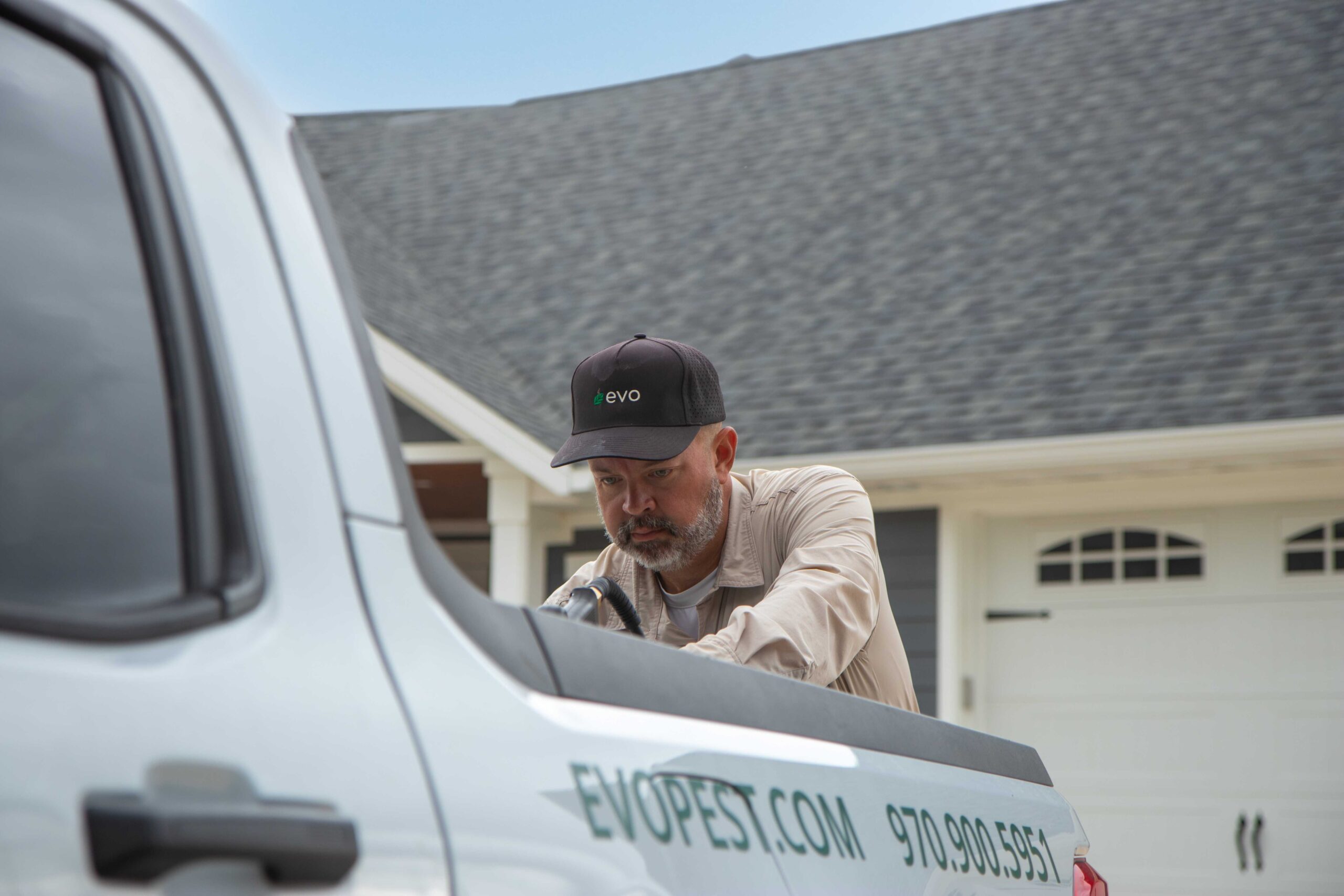
Why Professional Termite Control Starts With Inspection
A termite inspection is the foundation of effective treatment. Without a detailed inspection, it is difficult to know where the activity begins, how far it has spread, or which areas are most vulnerable. Termites often leave subtle signs, and those signs can be missed when the property is only checked casually.
A professional inspection may focus on:
- Mud tubes along foundations or walls
- Damaged or hollow-sounding wood
- Moisture-prone crawl spaces and basements
- Wood-to-soil contact near the structure
- Entry points around slabs, porches, and utility lines
The inspection also helps separate active termite activity from old damage. This matters because treatment decisions should be based on current conditions, not assumptions. A careful evaluation provides a clearer picture of what is happening and what needs to be addressed first.
Professional inspections also help homeowners understand the property as a whole. Termite risk is often tied to moisture, drainage, construction details, and maintenance history. When these factors are reviewed together, termite control becomes more precise and more effective. Inspection findings can also help prioritize next steps, so urgent issues such as active feeding or moisture intrusion are addressed before lower-risk maintenance items.
Why Termites Are Difficult to Reach Without Expertise
Termites are challenging because they rarely stay in open, easy-to-see areas. Subterranean termites, for example, often move underground and use hidden pathways to reach wood. They may travel behind walls, beneath flooring, or through protected mud tubes. This makes them difficult to manage with a simple one-time treatment or surface application.
The visible signs of termites are often only part of the concern. A small damaged area may be connected to a much larger colony outside or below the structure. Treating what is visible without understanding the colony’s movement can leave the main problem untouched.
Professional termite control uses knowledge of termite behavior to locate likely activity zones and choose the right treatment approach. This reduces the risk of under-treating the property or focusing only on areas that are easy to reach.
Expertise also matters because different parts of the property may require different strategies. Soil conditions, moisture levels, foundation type, crawl-space access, and nearby wood sources all influence how treatment should be planned. A trained eye can connect small clues that may not seem related, such as moisture stains, soil contact, and damaged trim. This broader reading of the property helps reveal how termites may be moving through areas that are not immediately visible, allowing the treatment plan to address hidden activity with greater accuracy and long-term effectiveness.
How Proper Identification Shapes Treatment
Different termite situations require different responses. Termite control is more effective when the pest species, activity level, and property conditions are correctly identified before treatment begins. Guessing can lead to incomplete results or unnecessary work.
Identification helps determine:
- Where the colony may be located
- How termites are entering the structure
- Which treatment method is most suitable
- Whether moisture or wood contact is contributing
- How monitoring should continue after treatment
Professionals look at signs such as mud tubes, damaged wood, swarmers, discarded wings, and moisture patterns. These clues help determine whether the activity is active, where termites may be traveling, and which areas need priority attention.
Correct identification also affects long-term pest prevention. If termites are entering because of wood-to-soil contact or poor drainage, treatment alone may not be enough. The property conditions must also be addressed. This is why professional evaluation is valuable: it connects termite behavior with structural and environmental concerns. Better identification also reduces the chance of choosing an approach that treats the symptom but leaves the colony route or moisture source unchanged.
Why Treatment Methods Must Match the Property
There is no single termite treatment that fits every property. A method that works well for one home may not be the best choice for another. The right plan depends on the termite species, the location of activity, the foundation design, soil conditions, moisture levels, and the extent of damage.
Professional termite control may involve bait systems, liquid treatments, targeted applications, monitoring stations, or a combination of approaches. The key is choosing the method that matches the actual risk around the property.
Homeowners comparing options can benefit from understanding how treatment methods differ. This guide on treatment options explains why the right choice depends on timing, property conditions, and infestation patterns.
A professional plan also considers how treatment will be maintained. Termite work does not always end after the first service. Some systems require continued monitoring, bait replacement, or follow-up checks to confirm that protection remains active.
When treatment is matched correctly to the property, the results are more reliable. Instead of applying a broad solution without context, professionals select a strategy based on inspection findings and long-term risk. This approach also helps avoid unnecessary disruption because the treatment can be focused where it is most likely to matter. A property with activity near soil contact may need a different emphasis than one with hidden crawl-space moisture or previous termite damage.
Moisture Control and Structural Conditions
Moisture is one of the most important factors in termite activity. Termites are drawn to environments where damp wood, poor drainage, or high humidity make survival easier. Even the best termite control plan can be weakened if moisture problems remain uncorrected.
Important moisture-related concerns include:
- Leaking pipes near walls or crawl spaces
- Clogged gutters are sending water toward the foundations
- Poor drainage around the exterior
- Damp basements, crawl spaces, or subfloors
- Wood materials touching soil or wet surfaces
Professionals do more than look for termites. They evaluate conditions that support termite activity. This helps homeowners understand why termites were attracted to the property and what changes may reduce future risk.
Moisture correction can include repairing leaks, improving ventilation, adjusting drainage, and removing damaged wood. These steps support pest prevention by making the property less favorable for termites. They also help protect the structure from ongoing wood decay, which can create additional vulnerabilities over time. Addressing moisture early can reduce several risks at once, including wood deterioration, mold-supportive conditions, and recurring insect activity around damp areas.
Why Surface Treatments Often Fall Short
Surface treatments may reduce visible activity temporarily, but they often fail to address the deeper termite problem. Termites usually operate from hidden colonies or underground networks. If the treatment does not reach the source or interrupt the colony’s movement, the activity can continue.
This is why visible results can be misleading. A homeowner may stop seeing termites in one area, but the colony may remain active elsewhere. Termites can adjust pathways, move through hidden spaces, or continue feeding in places that were never treated.
Professional termite control focuses on the full activity pattern. Instead of reacting only to what appears on the surface, professionals assess how termites are accessing the home and which areas need ongoing protection. This creates a more complete response.
Surface-level methods also miss contributing conditions. Moisture, soil contact, untreated wood, and structural gaps may continue supporting termites even after visible signs are reduced. A stronger approach addresses both the pest and the conditions that allow it to remain. This is especially important with termites because damage can continue quietly. Without a deeper plan, temporary improvement can create a false sense of security while the underlying issue remains active.
How Monitoring Reduces Return Risk
Monitoring is a major reason professional termite control delivers better long-term results. Termites can be persistent, and activity can return when conditions remain favorable. Follow-up evaluation helps confirm whether treatment is working and whether new risks have developed.
Monitoring may include:
- Checking bait stations or treatment zones
- Reviewing previous activity areas
- Looking for new mud tubes or damage
- Reassessing moisture and drainage conditions
- Updating pest prevention recommendations
This process gives homeowners more than a one-time response. It creates an ongoing view of the property and helps detect changes before they become larger concerns.
Monitoring also supports better decision-making. If termite pressure changes, the plan can be adjusted. If conditions improve, prevention steps can be reinforced. If a new activity appears, it can be addressed early. That flexibility is difficult to achieve without professional oversight.
Over time, monitoring turns termite control into a managed process rather than a single event. This is especially important in areas where termites remain active for much of the year or where moisture conditions change seasonally. Regular monitoring also provides useful documentation, helping homeowners understand what was checked, what changed, and what steps should come next.
Prevention Steps Homeowners Can Support
Professional service works best when supported by consistent home maintenance. While termites require expert treatment, homeowners can reduce the conditions that invite future activity. These steps help strengthen pest prevention and support longer-lasting results.
Helpful prevention habits include:
- Keep gutters clean and draining properly
- Repair plumbing leaks as soon as possible
- Store firewood away from the home
- Reduce wood-to-soil contact around the structure
- Improve crawl-space ventilation when needed
- Remove dead wood, stumps, and debris from the yard
These habits make the property less attractive to termites. They also make inspections easier because foundation edges, crawl spaces, and exterior walls are more visible and accessible.
For more guidance on reducing future risk, this resource on returning after treatment explains why prevention must continue after the initial termite treatment is complete.
Homeowner maintenance does not replace professional termite control, but it improves the success of the overall plan. When treatment, monitoring, and prevention work together, the risk of recurring activity is reduced. These habits also help catch property changes early, such as new drainage issues, damaged trim, or wood materials that have shifted into soil contact.
Why Professional Plans Reduce Guesswork
Termite problems can be confusing because signs are often subtle. Wood damage may be hidden, mud tubes may appear in protected areas, and swarmers may be mistaken for flying ants. Without proper evaluation, it is easy to underestimate the issue or choose the wrong response.
Professional termite plans reduce guesswork by providing:
- Clear inspection findings
- Treatment recommendations based on evidence
- Identification of contributing property conditions
- Follow-up plans for continued monitoring
- Practical prevention guidance for the homeowner
This structured approach helps homeowners make informed decisions. Instead of relying on assumptions, the plan is based on what is actually happening around the property.
Professionals also understand how termite behavior changes with seasons, moisture, and structural access. This helps treatment stay focused and reduces unnecessary effort. A precise plan is usually more efficient than repeated short-term attempts that fail to reach the source.
Reducing guesswork is one of the most valuable parts of professional termite control. It saves time, helps protect the structure, and provides a clearer path toward long-term stability. It also gives homeowners a practical order of action, from treatment priorities to maintenance tasks that can help reduce future risk.
Protecting Property Value Over Time
Termite activity can affect more than comfort. It can threaten structural materials, repair budgets, and property value. Because termite damage often develops quietly, the financial impact may not be obvious until repairs are needed. Professional termite control helps reduce that risk by addressing activity before damage becomes more extensive.
Homes are long-term investments, and wood-destroying insects should be treated with that level of seriousness. Professional inspection and treatment provide documentation, direction, and ongoing oversight. This is especially useful when maintaining a property, preparing for future sale, or protecting an older home with known moisture or wood-contact concerns.
Protecting property value also means preventing repeat problems. If termites return again and again, the cost of repairs and treatments can grow. A professional approach focuses on stopping the current activity while reducing the conditions that could invite termites back.
This long-term perspective is what separates professional service from temporary solutions. The goal is not only to reduce immediate termite activity but to help preserve the structure over time. A well-documented plan also helps homeowners feel more confident about maintenance decisions because they know which areas have been inspected, treated, and monitored.
Essential Insights
Professional termite control delivers better results because it is built on inspection, identification, targeted treatment, monitoring, and pest prevention. Termites are difficult to manage because they often live and travel in hidden areas. Surface-level responses may reduce visible signs, but they rarely address the full activity pattern.
A stronger termite plan looks at the entire property. Moisture, drainage, wood-to-soil contact, crawl-space conditions, foundation access, and previous damage all influence how termites behave. When these factors are understood, treatment becomes more precise and more reliable.
Homeowners can support results by maintaining the property, reducing moisture, storing wood properly, and keeping exterior areas clear for inspection. Still, professional expertise is essential when termites are active or suspected. A trained evaluation helps locate the source, choose the right treatment method, and monitor the property afterward.
The best results come from combining immediate control with long-term prevention. Termite problems are rarely solved by a quick fix. They require a plan that addresses both the colony and the conditions that allowed it to thrive. With a professional approach, homeowners can protect structural materials, reduce recurring risk, and make more confident decisions about long-term property care.
Take a Stronger Step Toward Termite Protection
Termite concerns deserve a detailed plan, not guesswork. For expert inspection, targeted termite control, and practical prevention guidance, contact Evo Pest Control to help protect your home from current activity and future risk. A focused evaluation can also help identify hidden moisture, access points, and maintenance concerns before they lead to more extensive damage or recurring termite pressure.