
Mosquitoes and ticks are more than occasional outdoor annoyances. During warm, humid months, they can become persistent property concerns that affect how comfortably families, pets, and guests use lawns, patios, gardens, and shaded spaces. Mosquitoes develop around water sources, while ticks depend on vegetation, wildlife movement, and protected outdoor areas. Because both pests respond strongly to environmental conditions, a one-time response rarely provides lasting control.
A long-term pest control plan looks at the entire property, not just the areas where biting activity is most noticeable. It considers drainage, vegetation, standing water, pet routines, wildlife pressure, treatment timing, and ongoing monitoring. This broader view is especially important for tick management because ticks often hide in transition zones where lawns meet brush, leaf litter, or wooded edges.
The most effective strategy is built around prevention, inspection, and timely professional support. Simple habits can reduce pest pressure, but consistency matters. Mosquitoes and ticks can rebound quickly when water collects, grass grows tall, or shaded debris is left undisturbed. By planning, homeowners can reduce exposure risks and create outdoor spaces that are easier to maintain throughout the season.
A long-term plan also helps families avoid scattered, reaction-based decisions. Instead of treating each bite, sighting, or outdoor complaint as a separate issue, the property is managed as a connected system. Water control, yard maintenance, pet protection, and professional monitoring all support one another. This creates a more reliable framework for reducing mosquito and tick pressure over time.
Why Long-Term Planning Matters
Mosquito and tick problems often return because the conditions supporting them remain in place. Treating active pests may reduce immediate activity, but long-term improvement depends on reducing breeding areas, hiding places, and host pathways. A well-planned approach helps homeowners avoid reacting to the same concerns repeatedly.
Long-term planning is useful because it helps organize prevention into manageable steps instead of last-minute responses. It also gives pest control efforts a stronger foundation by addressing the reasons mosquitoes and ticks are present.
A strong plan should account for:
- Seasonal changes in pest activity
- Standing water after rain or irrigation
- Shaded yard zones and tall vegetation
- Pet and wildlife movement around the property
- Follow-up inspections and treatment adjustments
This type of planning is especially valuable during the summer, when outdoor use increases and pest populations can grow quickly. For additional context on tick-related risks, this guide on tick-borne diseases explains why awareness and prevention are important during peak activity periods.
Planning also makes decision-making easier when pest activity changes. If mosquitoes increase after rain or ticks appear after pets spend time near a wooded border, homeowners already have a process for reviewing the source, making adjustments, and deciding when additional support is needed.

Understand How Mosquitoes and Ticks Behave
Mosquitoes and ticks behave differently, so they require different prevention strategies. Mosquitoes need water to reproduce. Even a small amount in a planter saucer, clogged gutter, birdbath, toy, or drainage low spot can support larval development. Adult mosquitoes often rest in shaded, humid areas during the day and become more active when conditions are comfortable.
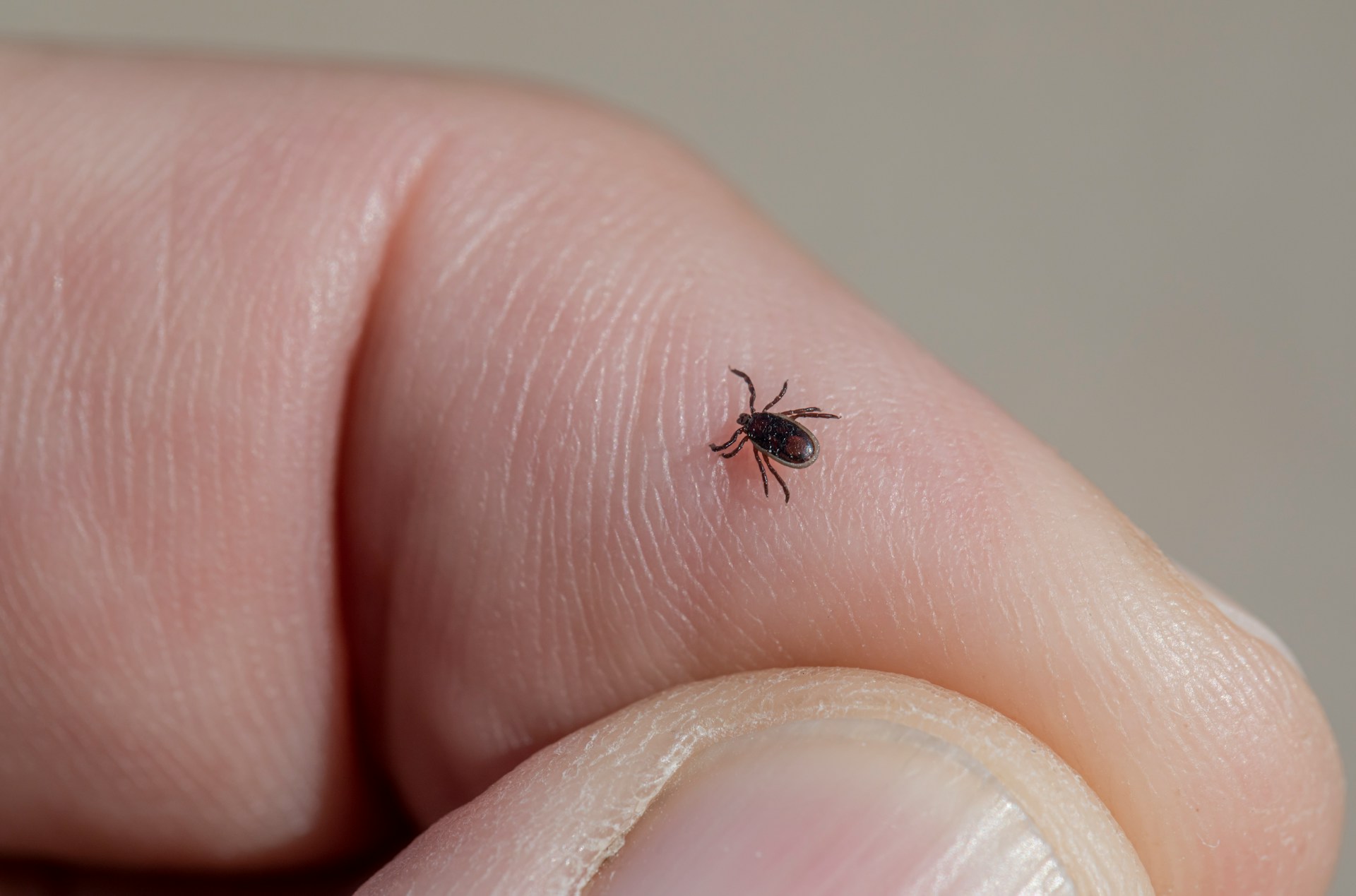
Ticks do not breed in standing water. They wait in grass, leaf litter, brush, and wooded edges until a host passes by. They attach to people, pets, rodents, deer, and other animals. This makes yard structure and wildlife movement important parts of tick management.
Understanding these differences helps avoid wasted effort. Mosquito reduction depends heavily on water control and targeted breeding-site management. Tick reduction depends more on vegetation maintenance, host awareness, and creating cleaner transition zones between maintained lawns and natural areas.
Both pests thrive when properties offer moisture, shelter, and limited disturbance. That is why a long-term plan should combine environmental correction with monitoring. Treating only the visible pest activity misses the larger conditions that allow populations to return. It is also why broad assumptions can lead to weak results. A yard may have mosquito pressure near water features but tick pressure near shaded fence lines, so each concern needs its own place within the plan.
Identify Risk Areas Around the Property
Every property has specific areas where mosquitoes and ticks are more likely to develop or gather. Identifying these areas early helps focus time and attention where it matters most. This also makes professional service more efficient because treatment and recommendations can be tied to actual property conditions.
Mosquito risk areas often involve water, shade, and organic buildup. Tick risk areas are usually linked to vegetation, wildlife routes, and spaces that stay cool and protected.
Common risk areas include:
- Low spots where rainwater collects
- Gutters, drains, birdbaths, and containers
- Tall grass along fences and property edges
- Leaf litter under shrubs and trees
- Pet resting areas near shade or brush
- Wood piles, debris, and overgrown borders
Once these areas are identified, they should be checked routinely. Conditions can change after storms, landscaping work, or seasonal growth. A yard that looked clear in early spring may become pest-friendly by midsummer if vegetation thickens or water begins collecting.
Documenting recurring problem spots can also help. If bites increase near one patio corner or ticks are repeatedly found after pets visit a specific area, those patterns point to zones that need closer attention.
Remove Standing Water Consistently
Standing water is one of the most important mosquito-related issues to control. Mosquitoes can use surprisingly small water sources, and summer heat can speed up development. A long-term plan should include regular water checks, especially after rain, irrigation, or outdoor activities.
Water management should focus on both obvious and overlooked sources. Large puddles are easy to notice, but small containers and hidden drainage problems often create recurring mosquito pressure.
Key water-control steps include:
- Empty buckets, toys, tarps, and plant saucers
- Clean clogged gutters and downspout outlets
- Refresh birdbaths and pet water bowls often
- Correct drainage problems near patios and foundations
- Store outdoor items so they cannot collect rainwater
Consistency matters because mosquitoes can return quickly when water is left undisturbed. Weekly checks are helpful during warm weather, while extra checks after storms can prevent breeding sites from developing.
Water reduction also supports broader pest control. Damp areas can attract other pests, including ants, cockroaches, and rodents searching for water. By keeping the property drier, homeowners reduce several pest pressures at once.
Build Tick-Safe Yard Zones
Tick management depends heavily on how the yard is organized and maintained. Ticks prefer shaded, humid spaces with vegetation or debris that protects them from drying out. Creating cleaner, drier, and more visible yard zones can reduce the chance of contact.
A tick-safe yard does not have to be bare or unattractive. The goal is to manage transitions carefully. Areas where lawns meet woods, fences, brush, or dense shrubs deserve special attention because ticks often wait in these zones for passing hosts.
Keeping grass short, removing leaf litter, and trimming shrubs improves airflow and reduces tick-friendly humidity. It also makes it easier to inspect the yard and notice changes. Paths, play areas, seating spaces, and pet zones should be positioned away from dense vegetation when possible.
Wood piles, old yard materials, and debris should be moved away from high-use spaces. These areas can shelter rodents and other wildlife that may carry ticks. Reducing wildlife-friendly clutter helps lower tick pressure indirectly while also improving yard maintenance.
Creating a buffer between maintained spaces and natural borders can also help. Gravel, mulch used carefully, or a dry, open strip can make the transition less favorable for ticks. The purpose is not to remove every natural area, but to reduce direct contact between high-use spaces and tick-friendly habitat.
Use Seasonal Monitoring and Routine Checks
Monitoring is what turns a general prevention plan into a working long-term strategy. Mosquitoes and ticks respond to weather, yard growth, wildlife activity, and human behavior. Without routine checks, small conditions can rebuild quickly.
Seasonal monitoring should be simple enough to maintain. It does not require constant inspection, but it should happen often enough to catch changes before pest activity becomes severe.
Useful monitoring habits include:
- Check water-holding items after rain
- Inspect shaded borders and tall grass weekly
- Watch pets for ticks after outdoor time
- Note where mosquito bites occur most often
- Look for wildlife activity near fences or brush
- Review problem areas before outdoor gatherings
Monitoring also helps measure whether prevention steps are working. If mosquito activity drops after water sources are removed, that confirms progress. If ticks continue appearing despite mowing and trimming, a deeper inspection may be needed.
Professional monitoring can add more precision. Experts can identify areas that are easy to overlook, including hidden water sources, dense ground cover, or high-risk transition zones. This helps refine the plan instead of relying on guesswork.
Make Larvicide Part of a Broader Strategy
Mosquito larvicide can be useful when water cannot be fully removed. Some areas, such as drainage features, retention areas, or hard-to-correct low spots, may hold water long enough to support mosquito development. In those cases, larvicide may help interrupt the mosquito life cycle before adults emerge.
However, larvicide should not be treated as the entire plan. It works best when combined with source reduction, property inspection, and ongoing maintenance. If water is easy to remove, eliminating the source is usually the priority. If water remains unavoidable, targeted larvicide use may become part of a more complete strategy.
Important larvicide considerations include:
- Apply only where water cannot be removed
- Focus on known or likely breeding sites
- Follow label directions and timing requirements
- Recheck treated areas after rain or irrigation
- Pair applications with yard-wide prevention
For homeowners wanting a deeper look at this method, these larvicide practices explain how targeted application supports mosquito control when used correctly.
A long-term mosquito plan should stay flexible. Breeding sites can shift during the season, so larvicide decisions should be based on current property conditions rather than habit alone.
Support Pets and Outdoor Living Areas
Pets and outdoor living spaces are central to mosquito and tick prevention because they are often where exposure happens most often. Dogs may move through grass, shaded borders, and brush, while people gather on patios, decks, and lawn areas during evenings when mosquitoes are active.
Pet routines should include regular tick checks, especially after walks, yard play, or time near wooded edges. Outdoor bedding, shaded rest areas, and food or water bowls should be kept clean and dry. Veterinary-recommended preventives can also be part of a pet-focused plan.
Helpful outdoor-living habits include:
- Wash pet bedding on a regular schedule
- Keep outdoor bowls clean and refreshed
- Move seating away from dense vegetation
- Check cushions, toys, and covers after rain
- Keep play areas dry, trimmed, and visible
Outdoor living areas should be kept clear of standing water, food residue, and excess vegetation. Patio furniture, grill covers, toys, and cushions should be checked for water collection after rain. Lighting can also influence insect activity, so outdoor areas should be reviewed for conditions that attract pests close to doors and seating spaces.
The goal is practical prevention. Families should be able to use outdoor spaces comfortably, but those areas need maintenance. Clean, dry, visible spaces are easier to protect than cluttered, shaded, moisture-heavy areas.
Combine Prevention With Targeted Treatment
Prevention reduces pest pressure, but it may not always be enough on its own. Properties with heavy mosquito activity, recurring ticks, dense vegetation, or nearby wildlife may need targeted treatment as part of a long-term plan. The purpose of treatment is to support prevention, not replace it.
A balanced pest control strategy may include inspection, habitat reduction, targeted applications, follow-up evaluation, and seasonal adjustments. This approach is more effective than relying on a one-time treatment without correcting the conditions that allowed activity to build.
Targeted treatment is especially useful when pest activity is concentrated in specific zones. Mosquitoes may rest in shaded vegetation, while ticks may remain near borders, brush, or pet routes. Treating the right areas can help reduce exposure while keeping the plan focused and efficient.
Professional evaluation helps determine when treatment is appropriate and where it should be applied. This reduces unnecessary effort and helps ensure the plan matches the actual pest pressure around the property. It also supports safer decision-making by matching service frequency and treatment placement to the property’s specific needs.
Adjust the Plan as Conditions Change
A long-term plan should not stay the same all season. Weather shifts, plant growth, irrigation changes, pet habits, and outdoor use can all affect mosquito and tick activity. What works in late spring may need adjustment by midsummer.
Adjustments may be needed after heavy rain, landscaping changes, new pet routines, or increased wildlife activity. A newly shaded area, clogged drainage point, or neglected brush line can become a pest-friendly zone quickly. Reviewing the property regularly allows prevention steps to stay current.
This is where ongoing communication with pest professionals becomes helpful. If mosquito bites increase near one area or ticks are found repeatedly on pets, that information can guide the next inspection or treatment plan. The more specific the observations, the more precise the response can be.
A flexible plan is stronger than a fixed checklist. Mosquito and tick management works best when homeowners and professionals respond to real conditions instead of assuming the property stays the same throughout the season. This approach also helps control long-term costs by focusing effort where problems are actually developing, while keeping prevention steps practical, timely, and easier to maintain.
Essential Insights
Creating a long-term plan for mosquito and tick management means looking at the full property and maintaining consistent habits throughout the season. Mosquitoes and ticks behave differently, but both thrive when outdoor environments provide moisture, shelter, hosts, and limited disturbance.
The strongest plan combines source reduction, yard maintenance, pet awareness, seasonal monitoring, and targeted professional support when needed. Standing water should be removed or managed, tick-friendly vegetation should be reduced, and high-use outdoor areas should remain clean, dry, and visible.
Long-term prevention is not about one great effort. It is about repeating the right steps at the right time. Small habits, such as checking water after rain, trimming shaded edges, inspecting pets, and watching recurring problem areas, can make pest activity easier to manage.
Professional support becomes especially valuable when mosquitoes or ticks remain active despite consistent maintenance. A detailed inspection can identify hidden sources, recommend targeted treatment, and help refine the plan for better long-term results. When prevention and treatment work together, outdoor spaces become easier to enjoy and maintain throughout the warmest months.
Plan for Safer Outdoor Comfort
A strong mosquito and tick management plan starts with prevention, monitoring, and expert guidance tailored to your property. For practical pest control support and a long-term strategy, contact Evo Pest Control to help reduce mosquito and tick pressure around your outdoor spaces. A focused plan can also make seasonal maintenance easier by identifying problem areas early, improving treatment timing, and supporting safer outdoor routines for family members, guests, and pets throughout the warmest months with greater confidence, comfort, and peace of mind.