
Summer is one of the most active times of the year for household pests. Warm temperatures, longer daylight hours, higher humidity, and increased outdoor activity all create favorable conditions for insects and rodents to move closer to homes. Ants search for food, mosquitoes breed in standing water, spiders follow prey, cockroaches seek moisture, and rodents look for safe shelter when outdoor pressure rises.
Preparing before the activity reaches its peak can make a significant difference. The goal is not only to react when pests appear, but to make the home less inviting before infestations have time to develop. A strong pest control plan combines sanitation, moisture management, structural maintenance, outdoor upkeep, and ongoing monitoring.
Summer pests often become harder to manage once populations are established. Small issues such as a loose door sweep, a damp crawl space, or overflowing trash can quietly support pest activity for weeks. By addressing these details early, homeowners can reduce pest pressure and create a cleaner, safer, and more comfortable living environment throughout the season.
Preparation also reduces stress when pest activity rises suddenly. Instead of trying to solve every issue after ants, mosquitoes, spiders, cockroaches, or rodents are already visible, homeowners can build a stronger routine before peak pressure arrives. That routine does not need to be complicated. It simply needs to focus on the areas pests use most often: food, moisture, shelter, and access.
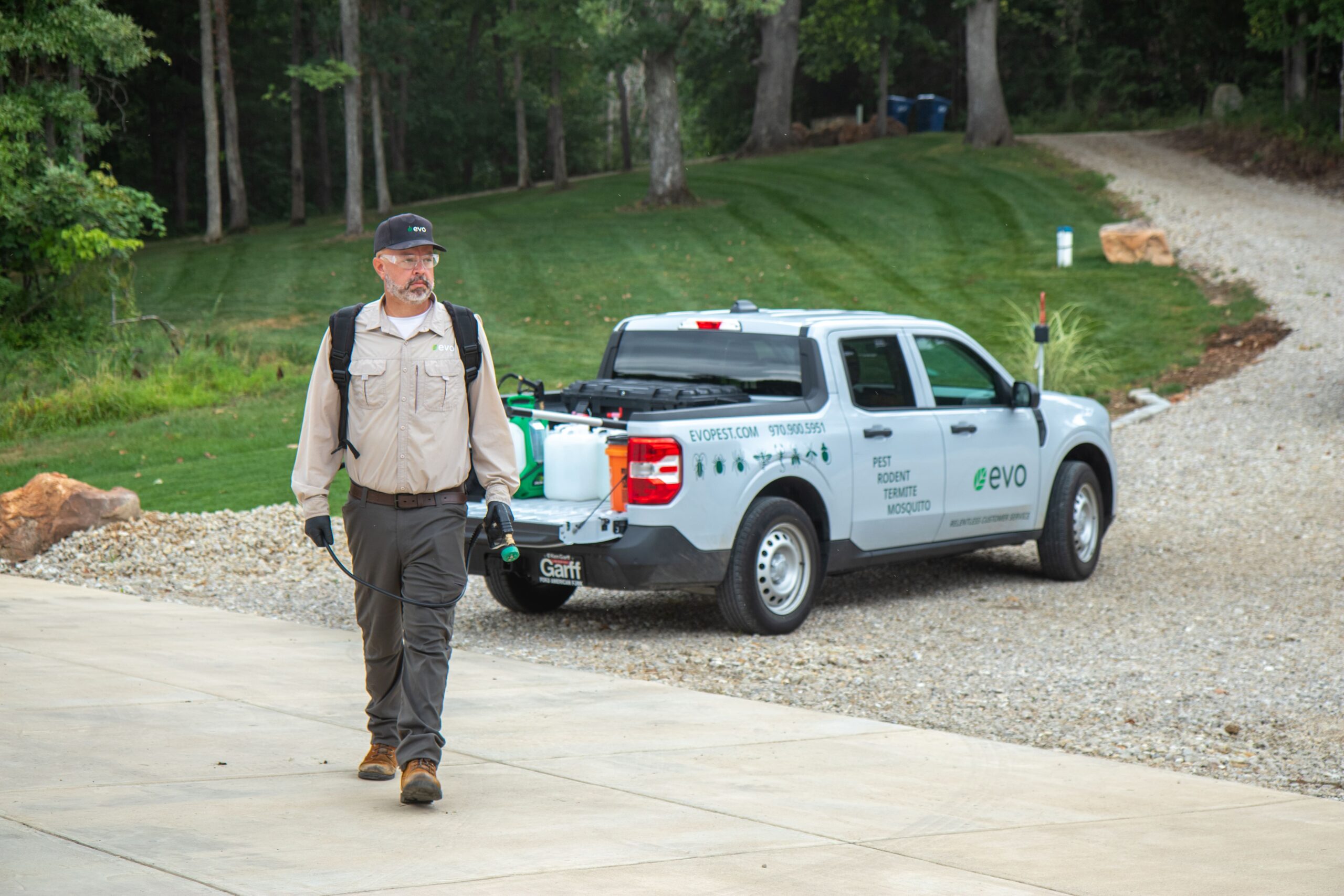
Start With a Careful Exterior Inspection
The outside of the home is the first place to prepare for peak summer pest season. Many pest problems begin around the foundation, landscaping, garage, patio, or yard before moving indoors. A careful exterior inspection helps identify the small conditions that allow pests to gather, nest, or enter.
Key areas to check include:
- Foundation cracks and gaps near siding
- Loose weatherstripping around exterior doors
- Torn window screens or damaged vents
- Utility openings around pipes, wires, and cables
- Debris, mulch, or vegetation touching the structure
These areas matter because pests often use the easiest route available. Ants can trail through tiny openings, spiders can settle around sheltered corners, and rodents can exploit small structural gaps. A simple inspection can reveal many of these risk points before summer activity increases.
Exterior preparation is also useful because it improves visibility. When the foundation line is clear, it becomes easier to notice trails, droppings, nests, moisture stains, or damaged seals. This early awareness helps guide prevention efforts and supports more effective pest control if professional service becomes necessary. It also helps homeowners avoid guesswork. When problem areas are noted early, service plans can focus on the most vulnerable locations instead of treating the property as if every area has the same level of risk.
Seal Entry Points Before Activity Peaks
Sealing gaps is one of the most practical ways to reduce pest movement indoors. Summer pests do not need large openings to enter. Small spaces beneath doors, around windows, along vents, or near utility lines can provide enough access for insects and rodents.
Entry-point reduction should focus on areas where indoor and outdoor spaces meet. Door sweeps, garage seals, window frames, crawl-space vents, and wall penetrations deserve close attention. Even if pests are not currently visible, these openings can become active pathways as outdoor populations increase.
Helpful sealing steps include:
- Replace worn door sweeps and loose seals
- Repair damaged screens on windows and vents
- Seal gaps around utility lines and pipes
- Close cracks along foundations and siding
- Check garage doors for light showing underneath
Sealing should be done thoughtfully. If pests are already nesting inside, blocking one opening without understanding the activity pattern may not solve the problem. In those cases, inspection and targeted treatment may be needed first. Still, for prevention, exclusion is one of the strongest long-term steps homeowners can take before summer pressure reaches its highest point. Even small repairs can make a meaningful difference because pests often follow repeated routes once those routes become reliable. Closing them early helps interrupt that pattern before it becomes established.
Reduce Moisture Around the Home
Moisture is one of the biggest pest attractants during summer. Many insects rely on damp environments for survival, while rodents may seek water sources close to shelter. Mosquitoes, cockroaches, ants, termites, and other pests all become more active when moisture is available.
Reducing moisture starts with simple maintenance. Gutters should drain correctly, downspouts should direct water away from the foundation, and low spots near the home should not hold standing water. Indoors, leaks under sinks, condensation around appliances, and damp basements should be addressed quickly.
Moisture-prone areas to monitor include:
- Crawl spaces, basements, and utility rooms
- Bathrooms, kitchens, and laundry areas
- Downspout discharge zones near foundations
- Overwatered lawns and garden beds
- Pet bowls, outdoor containers, and drains
Managing moisture supports both comfort and pest prevention. It removes a key survival resource and makes the property less attractive to insects that thrive in humid environments. This is especially important during summer storms or long humid stretches, when moisture can build up quickly and remain unnoticed in shaded or enclosed spaces. Moisture checks should not stop at obvious leaks. Slow drainage, damp mulch, condensation, and shaded soil can all keep pest-friendly areas active even when the rest of the home appears clean and dry.
Keep Food Sources Under Control
Food access is another major reason pest activity increases in summer. More outdoor meals, grilling, snacks, pet feeding, and open doors can create easy opportunities for ants, flies, cockroaches, rodents, and other pests. Even a small amount of food residue can encourage repeated activity once pests discover it.
Kitchen sanitation should stay consistent during peak season. Counters, floors, pantry shelves, and food-preparation areas need regular cleaning. Trash should be sealed tightly and removed often, especially when food scraps are involved. Pet-food areas should also be cleaned frequently because crumbs and water spills can attract pests quickly.
Outdoor food control matters just as much. Grills should be cleaned after use, patio tables should be wiped down, and trash bins should remain closed. If food waste sits outside during hot weather, odors can develop faster and attract insects or rodents from nearby areas.
Good sanitation does not guarantee a pest-free home, but it removes one of the strongest attractants. When food sources are controlled, pest control efforts become more effective because pests have fewer reasons to remain active around the property. It also becomes easier to recognize unusual activity because pests are not being encouraged by avoidable attractants. This kind of consistency is especially helpful during summer, when a single overlooked source can draw repeated pest traffic.
Prepare Pet Areas With Safety in Mind
Homes with pets need a more careful summer pest-prevention routine. Pets often move between indoor and outdoor spaces, which can influence pest activity. Fleas, ticks, ants, and flies may be associated with pet areas when food, water, bedding, or shaded resting spots are not maintained properly.
Pet areas should be cleaned consistently and inspected for conditions that attract pests. Food bowls should not be left outside for long periods, water spills should be wiped when possible, and bedding should be washed regularly. Yard areas where pets rest should also be kept dry, trimmed, and free from debris.
Pet-focused preparation may include:
- Store pet food in sealed containers
- Wash bedding and soft items regularly
- Clean bowls and feeding mats often
- Check outdoor pet areas for standing water
- Keep grass trimmed where pets spend time
A pet-friendly prevention plan should balance pest reduction with household safety. Targeted treatments, careful product placement, and clear preparation instructions all help create a safer process when service is needed. For more insight into this kind of balanced planning, these pet-safe methods explain how thoughtful pest management can support homes with animals.
Manage Landscaping and Yard Conditions
Landscaping has a major influence on summer pest pressure. Dense plants, thick mulch, standing water, and organic debris can create shelter and moisture for insects and rodents. When these conditions sit directly against the home, pests have an easier path toward siding, vents, doors, and windows.
Yard preparation should focus on airflow, visibility, and distance from the structure. Shrubs should be trimmed away from walls, grass should be maintained, and dead branches or leaf piles should be removed. Mulch should not be stacked against siding or wood trim because it can trap moisture and support pest activity.
Firewood, garden tools, and outdoor storage should also be organized. Items left directly against the home can create protected hiding areas. If possible, store wood off the ground and away from the structure.
Good landscaping does not have to mean removing every natural element. It means keeping outdoor areas maintained so pests have fewer protected spaces near entry points. This simple seasonal upkeep can reduce the number of pests reaching the home during peak summer activity. It also makes routine monitoring easier because nests, trails, damp areas, and entry points are less likely to stay hidden behind overgrowth or clutter.
Check Windows, Doors, and Screens
Windows and doors become more active during summer because people move in and out more often. Open windows, patio access, garage traffic, and frequent deliveries all increase the chances for pests to slip inside. Screens and seals are especially important during this time.
A small tear in a screen may allow flies, mosquitoes, or small insects to enter. A loose threshold can allow ants, spiders, or other crawling pests to move indoors. Garage doors are another common issue because gaps along the bottom or sides can stay unnoticed until pest activity appears.
A summer access check should include:
- Inspect screens for holes or loose edges
- Test door sweeps for tight closure
- Check sliding doors for gaps in the track
- Keep garage doors closed when not in use
- Repair damaged seals before peak activity
These adjustments are simple but effective. They reduce unnecessary access and help maintain a stronger barrier between indoor spaces and outdoor pest pressure. Combined with sanitation and moisture control, better sealing can reduce indoor sightings throughout the season. These areas should also be revisited after storms or heavy use. Doors can shift, screens can loosen, and seals can wear down faster during months when windows and entrances are used more often.
Watch for Early Warning Signs
Early detection can prevent a small pest issue from becoming a larger summer infestation. Many homeowners only respond once pests are obvious, but by that point, activity may already be established. Watching for subtle warning signs allows action to happen sooner.
Common signs of summer pest activity include droppings, trails, shed wings, webbing, gnaw marks, nests, damaged packaging, or repeated sightings in the same location. Unusual odors, scratching sounds, or increased activity near moisture-prone areas can also indicate a developing concern.
Patterns matter. One insect near an open door may not mean much, but repeated sightings in a kitchen, bathroom, garage, or crawl space deserve attention. If pests appear at the same time each day or follow the same route, there may be a nearby source or entry point.
Early detection is also important because some pests remain hidden during the day. Cockroaches, rodents, and certain nesting insects may avoid open areas until activity increases. Paying attention to small changes helps guide timely inspection and more precise pest control.
Plan for Seasonal Service and Callbacks
Peak summer pest season can be unpredictable. Even with strong preparation, weather changes, nearby construction, moisture shifts, and seasonal population spikes can increase pest activity between visits. This is why seasonal service plans and callback options can be valuable for maintaining consistent protection.
A seasonal plan usually focuses on prevention, monitoring, and treatment timing. Instead of waiting for pests to become severe, service is scheduled around expected activity patterns. This can help reduce pressure before infestations spread. It also gives homeowners a clearer framework for what to expect during the busiest months, including when follow-up attention may be useful and which areas should be watched more closely.
Seasonal planning may support:
- More consistent exterior protection
- Faster response to changing pest activity
- Better monitoring during peak months
- Adjustments based on weather conditions
- Reduced reliance on one-time treatments
Callbacks add another layer of support when activity appears between scheduled visits. They help address unexpected problems before pests become more established. To better understand how service plans may respond between appointments, this guide on seasonal callbacks explains how additional visits can fit into a broader prevention plan.
Know When Professional Help Is Needed
Basic prevention can reduce pest pressure, but some situations require professional evaluation. Persistent activity, recurring sightings, hidden nesting, or damage signs may indicate a problem that is larger than surface-level prevention can resolve.
Professional assessment is helpful because it identifies the source of the issue, not just the visible pests. A trained inspection can reveal entry points, moisture conditions, nesting areas, and seasonal patterns that may not be obvious during routine cleaning or maintenance.
Professional help is especially important when pests are seen repeatedly despite prevention efforts. Ant trails, rodent droppings, cockroach sightings, stinging-insect nests, mosquito-heavy yards, or flea and tick pressure may require a more targeted plan.
This does not mean homeowners should ignore simple maintenance. In fact, preparation makes professional service more effective. When clutter is reduced, moisture is managed, and access points are visible, inspection and treatment can be more precise. The best results usually come from combining practical home care with expert guidance. Professional evaluation also helps prioritize which issues deserve attention first. This matters because not every pest sighting has the same cause, and not every home requires the same treatment approach. A targeted plan can reduce unnecessary steps while addressing the conditions most likely to drive recurring activity.
Essential Insights
Preparing for peak summer pest season is about reducing the conditions that allow pests to thrive. Warm weather increases pest movement, but homes become more vulnerable when food, moisture, shelter, and access points are available. A strong preparation plan focuses on the full environment rather than one isolated problem.
Exterior inspection, gap sealing, moisture control, sanitation, pet-area care, landscaping maintenance, and early detection all work together. Each step may seem small, but together they reduce pressure from summer pests and support stronger pest control results.
Consistency matters most. Summer conditions change quickly after rain, heat waves, yard growth, or heavy outdoor activity. A home that was protected in early spring may need another review before peak season. By staying ahead of these changes, homeowners can reduce unexpected infestations and make professional service more effective when it is needed. The main value of summer preparation is that it turns pest prevention into a manageable routine instead of an urgent reaction. With steady attention, homes become less inviting, inspections become more productive, and treatment plans can remain more focused.
Stay Ahead of Peak Summer Pest Activity
A prepared home is easier to protect during the busiest pest season of the year. For expert support, seasonal prevention, and a practical pest control plan, contact Evo Pest Control to help keep summer pests from turning into a larger problem around your home.