
Pet owners often face a difficult balance when dealing with pest activity inside and outside the home. On one hand, pests can threaten sanitation, comfort, and even health conditions within the property. On the other hand, many homeowners worry about how pest control treatments may affect their pets. This concern has increased as more families look for long-term pest management strategies that support both effectiveness and household safety.
A pet-safe approach to pest control focuses on reducing pest activity while also considering how treatments are applied, where products are placed, and how environmental conditions influence overall exposure. Rather than relying on excessive applications or one-time responses, this method prioritizes targeted treatment strategies, structural prevention, and ongoing monitoring.
Understanding how effective this approach can be requires looking beyond simple treatment claims. True long-term pest control depends on consistency, environmental awareness, and preventative practices that reduce the conditions pests depend on. When these factors work together, pet-friendly pest management becomes far more effective and sustainable over time.
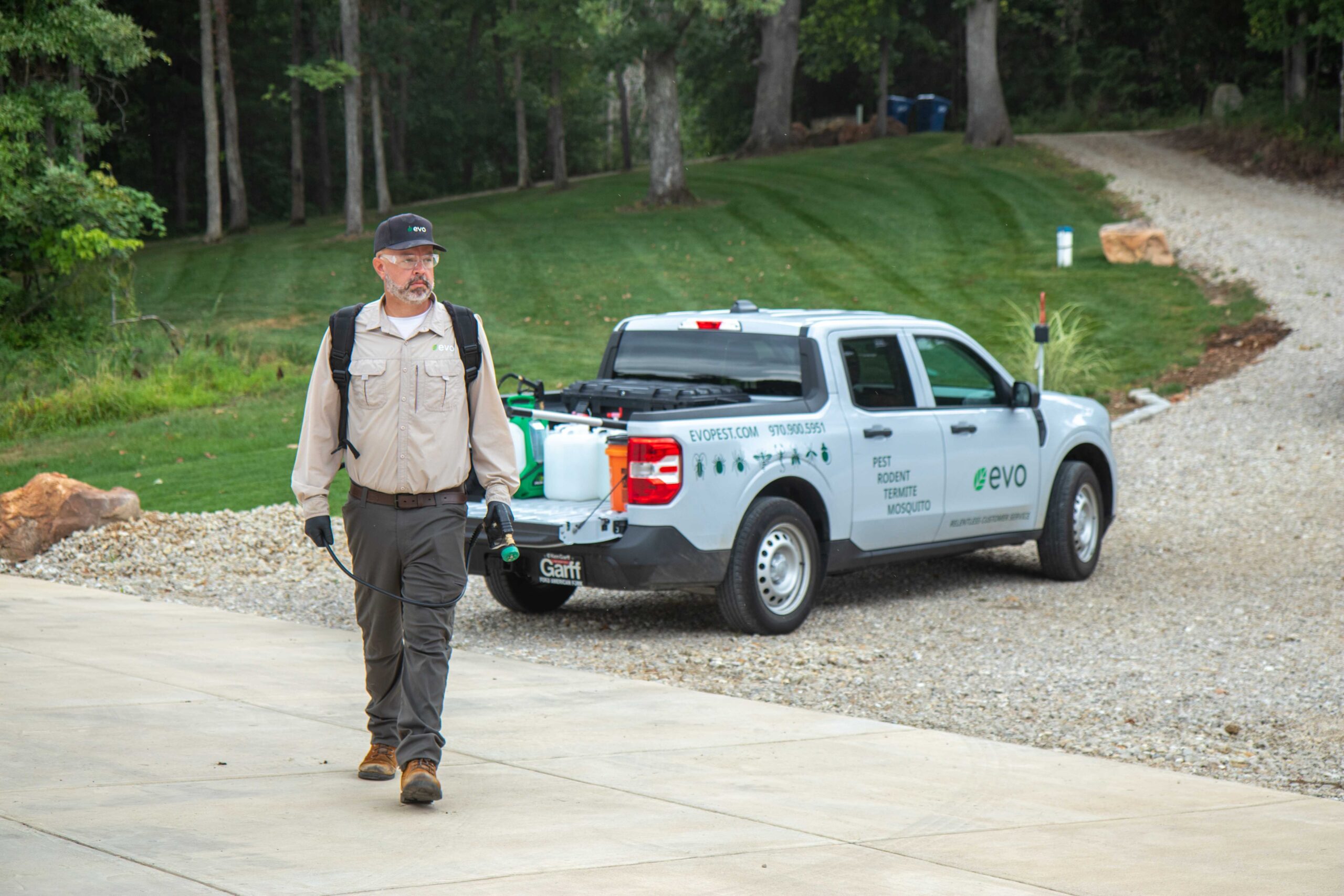
Understanding What Pet-Safe Pest Control Means
Pet-safe pest control does not mean avoiding treatment altogether. Instead, it refers to a more thoughtful and controlled approach that prioritizes targeted applications, proper placement, and environmental awareness. The goal is to reduce unnecessary exposure while still maintaining effective pest control.
This approach often includes:
- Exterior-focused treatment strategies
- Targeted applications instead of broad overuse
- Careful product placement in low-contact areas
- Ongoing monitoring and preventative maintenance
- Recommendations that reduce pest-friendly conditions
A pet-safe strategy also emphasizes communication between homeowners and pest professionals. Knowing where pets spend time, how they move around the property, and which areas they frequently access helps improve treatment planning.
Rather than depending entirely on reactive measures, pet-friendly pest control works best when combined with prevention-focused habits that reduce pest pressure naturally.
Why Prevention Matters More in Pet-Friendly Homes
Prevention is especially important in homes with pets because it helps reduce the need for repeated or excessive treatments. The more effectively a home limits pest activity early, the easier it becomes to maintain a balanced and controlled environment.
Many common pest issues begin with conditions that are easy to overlook. Food crumbs near feeding stations, moisture buildup, cluttered storage areas, and small structural gaps all create opportunities for pests to settle indoors.
Reducing these conditions helps support long-term pest control while also minimizing the likelihood of larger infestations that require more aggressive intervention.
Simple prevention practices include:
- Cleaning and feeding areas regularly
- Storing pet food in sealed containers
- Managing moisture around water bowls and sinks
- Sealing small entry points around doors and windows
- Keeping outdoor waste areas clean and contained
When prevention becomes part of the household routine, pest pressure often decreases significantly. This creates a more stable environment where targeted treatments can remain effective for longer periods.
How Pets Influence Pest Activity Around the Home
Pets can unintentionally contribute to pest activity in several ways. Food residue, outdoor movement, and access points all influence how pests interact with a property. Understanding these patterns allows homeowners to make more informed adjustments that strengthen overall pest control.
For example, pets moving between indoor and outdoor spaces may increase opportunities for pests such as fleas or ticks to enter the home. Feeding stations left exposed overnight can also attract ants, rodents, and cockroaches.
Environmental conditions connected to pets may include:
- Water spills near feeding areas
- Pet doors with poor sealing
- Outdoor pet bedding or shaded resting areas
- Organic debris collecting near fences or yards
- Increased indoor and outdoor traffic patterns
These factors do not mean pets cause infestations, but they can contribute to conditions that pests take advantage of. Recognizing these influences helps support a more effective pet-safe pest control strategy.
For additional insight into how animals influence pest management decisions, this guide on how pets affect treatments explains how household habits and pet routines can shape pest activity.
The Importance of Targeted Treatment Placement
One of the most effective aspects of a pet-safe pest control approach is treatment precision. Modern pest management strategies increasingly focus on targeted placement rather than widespread interior application.
Targeted treatment methods allow professionals to address pest activity while reducing unnecessary exposure inside living areas. This often involves concentrating efforts around exterior perimeters, hidden entry points, or pest-prone structural zones.
Important focus areas may include:
- Foundation lines and exterior barriers
- Cracks and gaps around utility access points
- Moisture-prone areas near crawl spaces
- Outdoor nesting or breeding zones
- Hidden areas where pest activity develops
This precision-based approach improves efficiency because treatments are applied where pests are most active rather than across broad surfaces unnecessarily.
In many cases, exterior-first strategies reduce the need for repeated indoor applications. This supports both long-term pest control and a more balanced environment for homes with pets.
Why Ongoing Monitoring Improves Long-Term Results
One-time pest treatments may temporarily reduce activity, but long-term effectiveness depends heavily on continued monitoring. Pest conditions change throughout the year due to weather, moisture, seasonal movement, and structural wear. Even a well-maintained property can develop new vulnerabilities over time, especially when environmental conditions shift unexpectedly.
Monitoring allows professionals to identify subtle changes before pest activity becomes more serious. This is especially valuable in pet-friendly homes where maintaining stable conditions is a priority. Rather than waiting for pests to become highly visible indoors, ongoing evaluations focus on identifying early warning signs and correcting conditions before infestations become more difficult to manage.
Ongoing monitoring may involve:
- Inspecting moisture-prone areas regularly
- Evaluating exterior access points
- Watching for seasonal pest activity changes
- Checking treatment effectiveness over time
- Adjusting prevention strategies when conditions shift
This process helps maintain consistent pest control without relying entirely on repeated reactive treatment. Instead, adjustments are made gradually and strategically based on actual conditions. Small environmental changes, such as increased humidity, damaged seals around doors, or shifts in landscaping conditions, can all influence pest activity around the property.
Monitoring also helps homeowners recognize patterns they may not otherwise notice, including recurring activity tied to weather changes or environmental conditions around the property. In many cases, identifying these patterns early allows preventative corrections to be made before pests establish stronger indoor activity.
Another important benefit of monitoring is consistency. Pest control tends to be more effective when professionals can evaluate how conditions evolve rather than relying only on isolated visits. This ongoing perspective supports better treatment timing, more accurate adjustments, and stronger long-term results.
In homes with pets, continued observation is especially important because it supports a more balanced treatment approach. Preventative corrections such as sealing entry points, managing moisture, or adjusting exterior conditions often reduce the need for more extensive future intervention. As a result, the overall pest-management strategy becomes more stable, controlled, and sustainable.
Professional monitoring also creates opportunities for education. Homeowners become more familiar with the conditions that encourage pest activity, making it easier to maintain prevention-focused habits between visits. Over time, this cooperation between homeowners and pest professionals strengthens the effectiveness of the entire pest-control system.
Moisture Management and Pet-Safe Pest Control
Moisture plays a major role in pest activity. Many insects and rodents are drawn to damp environments because they provide water sources, shelter, and favorable breeding conditions.
Managing moisture is one of the most effective ways to strengthen a pet-safe pest control plan while reducing reliance on unnecessary treatment.
Common moisture-related risk areas include:
- Water accumulation near foundations
- Leaking pipes or fixtures
- Poor drainage around landscaping
- Damp crawl spaces or basements
- Condensation around feeding or washing areas
Addressing these issues helps reduce pest pressure naturally. It also improves the overall indoor environment by limiting the conditions pests rely on.
Moisture management often works best when paired with structural improvements such as sealing gaps, improving ventilation, and maintaining proper drainage around the property.
By reducing environmental attractants, homeowners create a more balanced system where pest activity becomes easier to manage long-term.
Exterior-Focused Pest Control Strategies
Exterior-focused treatment plans are a major part of many pet-safe pest control approaches. Instead of emphasizing widespread interior applications, these strategies concentrate on stopping pests before they enter the home.
This method creates a defensive barrier around the property while reducing indoor exposure.
Exterior-focused strategies may include:
- Inspecting and sealing entry points
- Treating foundation perimeters strategically
- Managing outdoor nesting areas
- Reducing vegetation contact near structures
- Monitoring seasonal pest movement outdoors
Landscaping adjustments also contribute to long-term success. Overgrown shrubs, dense mulch, standing water, and debris near the home can all increase pest activity around exterior walls.
When outdoor conditions are corrected early, pest pressure indoors often decreases significantly. This prevention-based approach supports a more sustainable and pet-friendly form of pest control.
Seasonal Changes and Their Impact on Pet-Safe Treatments
Pest activity changes throughout the year, which means treatment strategies often need to adapt seasonally. Spring and summer typically bring increased insect activity, while cooler months may drive rodents and other pests indoors.
Seasonal awareness helps improve the effectiveness of pet-safe pest control because treatments can be adjusted proactively instead of reactively.
Important seasonal considerations include:
- Increased mosquito and flea activity during warmer months
- Rodent shelter-seeking behavior during colder weather
- Moisture changes caused by rainfall and humidity
- Shifting nesting patterns around the property
- Seasonal breeding cycles that increase pest populations
Addressing these changes early allows for more targeted intervention before infestations become more difficult to manage.
For a closer look at balancing household safety with treatment planning, these safety treatment guidelines explain how thoughtful scheduling and application methods support safer pest management practices.
Why Professional Assessment Improves Effectiveness
Professional inspections provide a level of detail that is difficult to achieve through observation alone. Pest activity often develops gradually and in hidden locations, making early warning signs easy to miss. Small issues such as moisture buildup, tiny entry gaps, or subtle nesting activity may remain unnoticed until the problem becomes more established.
Professionals evaluate not only visible pest presence but also the environmental and structural conditions contributing to activity. Their approach focuses on identifying why pests are appearing rather than simply reacting to what is already visible. This broader analysis helps create more effective long-term pest-control strategies.
Their assessments may include:
- Identifying hidden entry points
- Detecting moisture-related vulnerabilities
- Evaluating exterior pest pressure
- Monitoring seasonal activity trends
- Recommending structural prevention improvements
This broader perspective allows pest control strategies to become more precise and efficient over time. Instead of relying on generalized treatment methods, professionals can tailor recommendations according to the property’s specific conditions and pest pressures.
Professional guidance is especially valuable in pet-friendly homes because treatment planning can be adjusted according to household routines, pet behavior, and environmental conditions. This creates a more balanced approach that prioritizes both effectiveness and consistency.
Another advantage of professional assessment is the ability to identify developing risks before they become more disruptive. Early detection often allows smaller corrections to be made before infestations spread further throughout the property. Over time, these preventative adjustments help reduce recurring pest activity and support a more stable indoor environment.
Professionals also help homeowners better understand how everyday conditions influence pest behavior. By recognizing patterns tied to moisture, sanitation, seasonal shifts, or structural wear, homeowners can make informed decisions that strengthen long-term prevention efforts while supporting safer pest-management practices overall.
Simple Habits That Support Long-Term Pest Reduction
Long-term pest control is most effective when professional support is combined with consistent household habits. Small adjustments often make a significant difference in reducing pest activity over time.
Helpful habits include:
- Vacuuming regularly around feeding areas
- Keeping food sealed between meals
- Cleaning under furniture and appliances
- Trimming vegetation touching the home
- Inspecting doors and windows for gaps
Outdoor maintenance also plays an important role. Removing debris, limiting standing water, and monitoring shaded areas around the yard can help reduce pest-friendly conditions before activity spreads indoors.
Consistency matters more than perfection. Even gradual improvements to sanitation, moisture management, and structural maintenance help strengthen long-term pest control outcomes.
When these habits are combined with targeted professional monitoring, the overall pest-management system becomes more stable and reliable.
How Pet-Safe Approaches Balance Safety and Performance
One of the most common concerns homeowners have is whether pet-safe pest control methods are truly effective compared to more traditional approaches. Modern strategies show that effectiveness does not rely on excessive application. In fact, many long-term pest problems are managed more successfully through precision, prevention, and environmental correction rather than broad treatment alone.
Instead, long-term results are often improved through:
- Targeted placement strategies
- Environmental correction and prevention
- Exterior-focused treatments
- Consistent monitoring and adjustment
- Reducing conditions pests depend on
This balanced approach allows pest activity to be managed more efficiently while supporting safer household conditions. Rather than treating every area heavily, professionals focus on locations where pest activity is most likely to begin or spread. This targeted strategy improves efficiency while reducing unnecessary exposure inside active living spaces.
A pet-safe approach is not simply about using less product. It is about applying pest control more intelligently. When professionals focus on prevention, structural conditions, and monitoring, treatment effectiveness often becomes more sustainable over time.
This is particularly important for homes with pets because it encourages long-term stability rather than repeated reactive intervention. Pets are naturally curious and often spend time near floors, furniture edges, outdoor grass, and entry points where pests may also be active. A more controlled treatment strategy helps maintain effective pest management while considering how pets interact with their surroundings daily.
Another reason this approach remains effective is that it prioritizes environmental improvement alongside treatment. Correcting moisture problems, reducing food access, improving sanitation habits, and sealing gaps around the structure all contribute to lower pest pressure naturally. These changes help support treatment results instead of relying entirely on repeated applications.
Long-term pest control also depends heavily on consistency. A pet-friendly strategy works best when homeowners continue maintaining preventative habits between professional visits. Cleaning feeding areas, monitoring outdoor conditions, and addressing structural issues early all strengthen overall protection.
Over time, this combined system of prevention, monitoring, and targeted treatment creates a more reliable pest-management plan. Instead of reacting only when pest activity becomes obvious, the focus remains on maintaining stable conditions that discourage infestations from developing in the first place.
For many households, this balance between effectiveness and environmental awareness is what makes modern pet-safe pest control strategies more practical for long-term use. The goal is not only reducing visible pests temporarily, but creating conditions that support safer, more consistent protection thr
Essential Insights
A pet-safe approach to pest control can be highly effective when supported by prevention, targeted treatment strategies, and consistent monitoring. Rather than relying on broad one-time applications, this method focuses on understanding pest behavior, reducing environmental attractants, and maintaining long-term control.
By combining professional expertise with practical household habits, homeowners can create a more balanced environment that supports both pest reduction and household safety. Moisture management, sanitation, structural maintenance, and exterior-focused prevention all contribute to stronger long-term results.
Pet-friendly pest management works best when viewed as an ongoing system instead of a temporary fix. Consistency, environmental awareness, and strategic treatment planning are what allow this approach to remain effective over time.
Create a Safer Long-Term Pest-Control Plan
For professional guidance and a more balanced approach to pest management, contact Evo Pest Control to learn how targeted, pet-safe strategies can support long-term protection for your home.