
Infestations rarely appear without warning. In most cases, pests spend weeks or even months testing a structure from the outside before moving indoors. Cracks in foundations, moisture buildup near walls, overgrown landscaping, and small structural gaps create opportunities that pests gradually exploit. By the time the activity is noticed inside, the infestation is often well established.
Regular perimeter inspections address this issue at its source. Instead of reacting to pests after they enter, inspections focus on identifying risks along the exterior where infestations begin. This preventive approach is one of the most effective ways to reduce pest pressure, limit interior exposure, and maintain long-term control.
From a professional perspective, perimeter inspections are not about occasional checks or visual walkarounds. They are systematic evaluations of structural conditions, environmental factors, and pest behavior patterns. When conducted consistently, these inspections interrupt infestation cycles before they escalate, resulting in fewer surprises and more predictable outcomes.
This article explains how regular perimeter inspections work, why they are essential to effective pest control, and how simple actions combined with professional expertise can significantly reduce infestation risk.
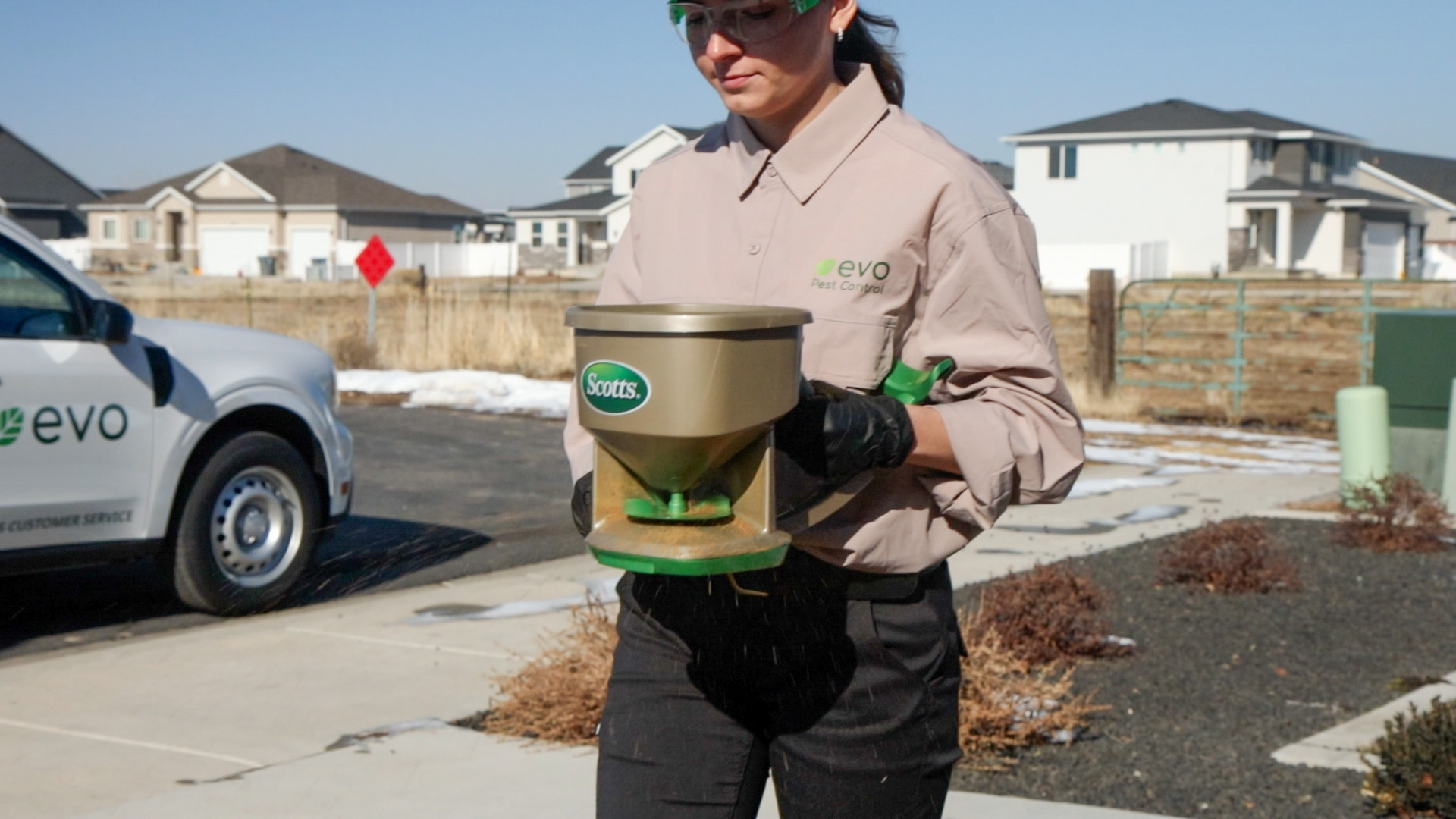
The Perimeter as the Primary Pest Activity Zone
The perimeter is where pest pressure concentrates because it is the boundary where outdoor conditions meet a structure’s most vulnerable edges. Insects and rodents travel along these “lines” because they provide cover, consistent pathways, and predictable access to food and moisture. Even clean properties can experience perimeter activity, especially when weather or nearby development displaces pests and forces new movement patterns.
Regular perimeter inspections focus on this zone because it is the earliest point where pest control can interrupt a potential infestation. Instead of waiting for pests to appear indoors, perimeter checks identify the conditions that allow pests to linger near the structure. This includes hidden gaps, moisture pockets, sheltered corners, and areas where landscaping creates bridges to siding or rooflines.
A perimeter inspection is also about recognizing patterns. Pests often return to the same routes because structures create wind breaks, warmth retention, and stable surfaces for travel. When we map these routes, prevention becomes more precise and less disruptive.
- Foundation edges and slab joints that create protected travel lanes for ants and other crawling insects
- Door thresholds, garage corners, and weather stripping gaps that become frequent entry points for rodents
- Window frames, vents, and utility penetrations where small openings offer direct access indoors
- Rooflines, soffits, and eaves, where nesting insects and spiders exploit sheltered cavities
- Exterior lighting areas that attract insects at night and concentrate predator activity nearby
How Infestations Commonly Develop Outside First
Most infestations begin outdoors because exterior environments provide pests with cover, moisture, and food sources that are easier to access than interior spaces. Pests often establish themselves in mulch beds, wall voids, under slabs, or near utility lines, then gradually expand once the population grows or conditions change. Indoors is often the second phase, not the first.
This is why regular perimeter inspections are so effective. They focus on the early stage of infestation development, when pests are still exploring, nesting, or feeding near the structure rather than living inside. At this stage, small corrections can have an outsized impact, such as sealing a gap, reducing moisture, or changing how materials are stored near the wall.
Weather shifts accelerate this process. Heat can drive insects toward shade and moisture. Cold pushes rodents and insects toward warmth. Heavy rain can flood nesting areas and force pests to relocate upward and inward. Without monitoring, these transitions can look like sudden indoor outbreaks when the build-up actually started outside weeks earlier.
- Outdoor nesting zones like mulch, planters, wood piles, and under-deck areas that allow populations to build quietly
- Structural “bridge points” where vegetation or stored items give pests an easy route onto walls and into gaps
- Moisture sources like leaky spigots, clogged gutters, or poor drainage that draw pests close to foundations
- Hidden access points around pipes, cables, and vents that connect exterior activity directly to interior voids
- Seasonal triggers that push established outdoor pests to seek indoor shelter when temperatures swing
Early Warning Signs Identified During Regular Inspections
One of the greatest advantages of regular perimeter inspections is early detection. Trained professionals look for subtle indicators that suggest pest activity or favorable conditions, even when pests themselves are not visible.
Common warning signs include:
- Fine cracks along foundations or expansion joints
- Soil disturbance near walls or slabs
- Moisture accumulation around vents or downspouts
- Grease marks or rub trails along exterior surfaces
- Insect debris near window frames or siding seams
These indicators often appear long before pests are noticed inside. Identifying them early allows for timely corrections that prevent escalation. Sealing gaps, improving drainage, or modifying landscaping can eliminate access points and nesting opportunities.
Early detection also supports strategic planning. Instead of responding to infestations under pressure, property owners gain time to address risks methodically. This reduces stress, minimizes disruption, and improves long-term outcomes.
Structural Weak Points That Invite Pest Entry
Even well-constructed buildings develop vulnerabilities over time. Natural settling, weather exposure, and material wear create small openings that pests can exploit. These weak points are rarely obvious without focused inspection.
Regular perimeter inspections commonly identify:
- Gaps beneath exterior doors and garage doors
- Deteriorated sealant around windows and vents
- Cracks in foundations or masonry
- Unsealed utility and pipe penetrations
- Damaged siding or fascia boards
While each issue may seem minor, pests require very little space to enter. Rodents can squeeze through openings smaller than expected, and insects can pass through hairline cracks.
Addressing these vulnerabilities early prevents repeated pest entry and reduces reliance on ongoing treatments. Structural maintenance becomes a key component of effective pest control rather than a separate concern.
Environmental Factors That Increase Exterior Pest Pressure
Exterior pest pressure rises when the environment around a structure offers shelter, moisture, and undisturbed spaces. Landscaping and outdoor habits can unintentionally support pest activity even when the interior is clean. Many pests do not need much to thrive, only small protected zones near the perimeter where they can hide and feed.
Regular perimeter inspections evaluate these environmental conditions because they often explain why pests keep returning. For example, dense shrubs against a wall create shade and humidity that support insects and spiders. Excess mulch holds moisture and creates habitat for ants. Standing water provides hydration for many pests, including rodents and insects. When these elements remain unchanged, pest activity can persist regardless of treatment efforts.
Environmental risk factors also change over time. A new garden bed, a shift in drainage, or a nearby construction site can raise pest movement and pressure quickly. Inspections catch these changes early, allowing adjustments before pests establish stable outdoor populations.
- Vegetation touching walls or rooflines that gives pests cover and direct access pathways
- Mulch piled high against foundations that retains moisture and hides insect activity
- Standing water from poor drainage, clogged gutters, or overwatering that attracts pests seeking hydration
- Outdoor clutter like stored boxes, unused pots, or stacked materials that create harborage zones
- Trash and pet feeding areas that supply consistent food sources near the structure
Long-Term Benefits of Routine Perimeter Monitoring
Regular perimeter inspections provide benefits that extend far beyond immediate pest reduction. Over time, consistent monitoring leads to improved predictability, lower treatment intensity, and reduced long-term costs.
Routine inspections allow patterns to emerge. Seasonal activity becomes easier to anticipate. Persistent risk areas are identified and addressed systematically. This proactive approach supports better planning and more efficient use of resources.
The financial advantages of prevention are well documented. Addressing issues early often avoids costly repairs and repeated treatments later. This aligns with the principles discussed in long-term savings, where proactive strategies consistently outperform reactive responses.
Long-term monitoring transforms pest control into a maintenance practice rather than a crisis response. The result is a more stable, cost-effective, and reliable prevention strategy.
How Inspections Reduce the Need for Interior Treatments
Interior treatments are often necessary only after pests have already established themselves inside wall voids, attics, cabinets, or living areas. At that stage, control becomes more complicated because pests have multiple hiding places, food sources, and sheltered nesting zones. Regular perimeter inspections reduce the chance of reaching that stage by stopping pest activity at the outer boundary.
When a perimeter is monitored consistently, we can identify entry conditions early and correct them before pests migrate indoors. This may involve sealing gaps, addressing moisture, or adjusting exterior conditions that are drawing pests toward the structure. Preventing entry often means fewer indoor sightings, fewer disruptions, and less need for broad interior applications.
Inspections also support targeted pest control decisions. Instead of treating an entire interior based on a few sightings, perimeter findings help pinpoint where pests are coming from and why. That clarity allows solutions that are focused, measured, and easier for occupants to live with.
- Identifying entry points early so pests are blocked before moving into kitchens, wall voids, or attics
- Reducing exterior populations so indoor pressure drops and sightings become less frequent
- Supporting targeted treatments that focus on the source rather than widespread interior applications
- Limiting disruption to daily routines by keeping interventions primarily outside whenever possible
- Catching moisture and structural issues that would otherwise sustain ongoing indoor activity
Simple Perimeter Maintenance Practices That Support Inspections
While professional inspections provide expert insight, property owners play an important role in maintaining a pest-resistant perimeter. Simple habits reinforce inspection findings and improve overall effectiveness.
Helpful maintenance practices include:
- Keeping vegetation trimmed away from exterior walls
- Maintaining proper drainage away from foundations
- Reducing mulch depth near structures
- Repairing damaged door sweeps and weather seals
- Eliminating clutter near exterior walls
These actions reduce hiding places, moisture, and access points that pests rely on. When combined with regular inspections, they create a layered defense that is easier to maintain over time.
Consistency is key. Small issues addressed regularly prevent larger problems from developing. This cooperative approach between maintenance and inspection supports long-term success.
Seasonal Changes That Increase Infestation Risk
Pest activity fluctuates throughout the year, and seasonal transitions often trigger increased movement. Temperature changes, rainfall, and food availability influence when pests seek shelter or expand their range.
Spring often brings increased insect activity as populations grow. Summer supports peak reproduction. Fall drives rodents and insects toward shelter. Winter concentrates activity near warm structures.
Regular perimeter inspections scheduled throughout the year account for these shifts. Monitoring during seasonal transitions allows preventive measures to be adjusted before activity spikes.
Seasonal awareness improves timing and effectiveness. Rather than reacting after pests enter, inspections anticipate movement and address risks proactively.
Why Professional Expertise Matters in Perimeter Inspections
Professional inspections go beyond surface-level observations. Trained experts understand pest biology, behavior patterns, and structural interactions that influence infestation development.
Professionals assess not only what is visible but also what conditions may lead to future activity. Moisture migration, material deterioration, and environmental changes are evaluated together.
Safety considerations are also integrated into professional inspections. Responsible pest control prioritizes targeted solutions and minimal exposure. These principles are reinforced in kids pets safety, which highlights the importance of informed decision-making.
Expert insight transforms inspections into actionable strategies that support long-term prevention and safer outcomes.
How Regular Inspections Support Responsible Pest Control
Responsible pest control is rooted in prevention, precision, and consistent monitoring. Regular inspections make this possible because they provide real evidence, not assumptions. When we know where pest pressure is building and what conditions are driving it, we can choose methods that are targeted and proportional to the risk.
This approach protects the structure and reduces unnecessary intervention. Rather than applying broad treatments without clear cause, inspections guide smarter decisions, including exclusion work, habitat correction, and targeted exterior control. Over time, this reduces the likelihood of recurring infestations because the underlying conditions are addressed, not just the visible symptoms.
Regular inspections also create accountability. Documentation helps track what changed, what was corrected, and whether the activity is trending down. That record supports consistent prevention across seasons and reduces the chance of repeating the same problems year after year.
- Using inspection findings to choose targeted methods based on actual conditions and pest behavior
- Prioritizing exclusion, habitat correction, and moisture control so prevention does more of the work
- Reducing unnecessary treatments by focusing on confirmed risk areas, not guesswork
- Tracking trends over time so recurring pressure points are corrected permanently
- Maintaining a steady prevention rhythm that keeps pest activity low across seasonal changes
Schedule Professional Perimeter Protection Today
Regular perimeter inspections are one of the most effective ways to prevent infestations before they begin. To strengthen your preventive strategy, contact Evo Pest Control and schedule a professional perimeter inspection today.