
Spiders show up for practical reasons, not because a home is “dirty.” A spider only needs three things to settle in: steady shelter, reliable prey, and easy access. When those pieces line up, webs start appearing in corners, along eaves, behind stored items, and near light sources where insects gather. The frustrating part is that web removal alone rarely solves the problem. If hiding spots remain intact and insect activity continues, spiders simply rebuild.
Effective spider prevention is a system. Professionals treat it as a chain of conditions that can be broken at multiple links. That means removing webs thoroughly, eliminating the quiet harborage areas spiders rely on, reducing the insect populations that feed them, and tightening the structure so entry points stop working like open doors. The goal is not to chase individual spiders from room to room. The goal is to make the property a place where spiders struggle to stay established.
This article breaks down how professionals approach spider control and spider prevention with a clear, organized process. We will cover what draws spiders in, where webs and egg sacs hide, how to remove and prevent webbing without missing key areas, and which simple habits help maintain results. Throughout, the focus stays practical and readable, with straightforward steps that minimize pest pressure while showing why professional support is often the most efficient path for lasting control.
1. Why spiders keep returning to the same places
Spiders are consistent. When a corner stays quiet and food keeps arriving, spiders treat that spot like reliable real estate. Many common household spiders choose areas that do not get disturbed: upper corners of bedrooms, basement window wells, garages, utility rooms, and storage closets. Outdoors, spiders favor protected ledges and overhangs, especially under roof eaves, around soffits, and near exterior lighting where insects congregate.
A big reason spiders “return” is that a property can support a steady stream of prey. If small insects are slipping through gaps, breeding in moisture zones, or gathering around lights at night, spiders follow the buffet. Another reason is that webs act like a signal. When webbing is not removed completely, remaining strands can guide rebuilding. Some species also prefer established web anchors because they reduce effort.
Seasonal patterns matter as well. In many regions, spiders become more noticeable when temperatures shift, when insect activity rises, or when outdoor conditions push pests closer to structures. That is why a home can look “fine” for months, then suddenly show webs everywhere.
Professional spider prevention focuses on removing the underlying support system, not just the visible spiders. That usually means treating both the outside and inside, addressing insect pressure, and removing harborage and access points that let spiders keep repeating the same cycle.
2. What webs and egg sacs really tell us
A web is not just an annoyance. It is evidence of activity, feeding, and often reproduction. Even if a homeowner only sees a few thin strands, a professional inspection may reveal multiple zones of webbing that connect hidden areas to visible ones. Egg sacs are even more important because they represent the next wave of spiders, not the current one.
Web location can hint at spider type and behavior. Webs across open corners, near windows, or under eaves often belong to spiders that rely on stationary traps. Hunting spiders, by contrast, may leave fewer webs but still use sheltered cracks and stored items to hide. Because different species behave differently, professional spider control starts by reading what the structure is “saying” through its web patterns.
Egg sacs are commonly attached to sheltered surfaces: behind storage bins, under shelving lips, in attic corners, inside garage clutter, and near rarely moved items. Removing egg sacs early prevents population spikes that can make a property feel suddenly “overrun” a few weeks later.
From a prevention standpoint, webs and egg sacs also reveal where cleaning routines are not reaching. Many homes are cleaned regularly, yet certain zones are essentially invisible in day to day life. That is exactly where spiders build. When professionals map webs, the goal is to identify those blind spots, remove the active material, and then change the conditions so spiders do not re-establish.
3. Professional inspection: finding the hidden web network
A reliable spider control plan starts with a structured inspection, because spiders exploit small, easy-to-miss opportunities. Professionals do not look for “a spider.” Professionals look for patterns: web placement, harborage zones, entry routes, moisture pockets, and prey insects.
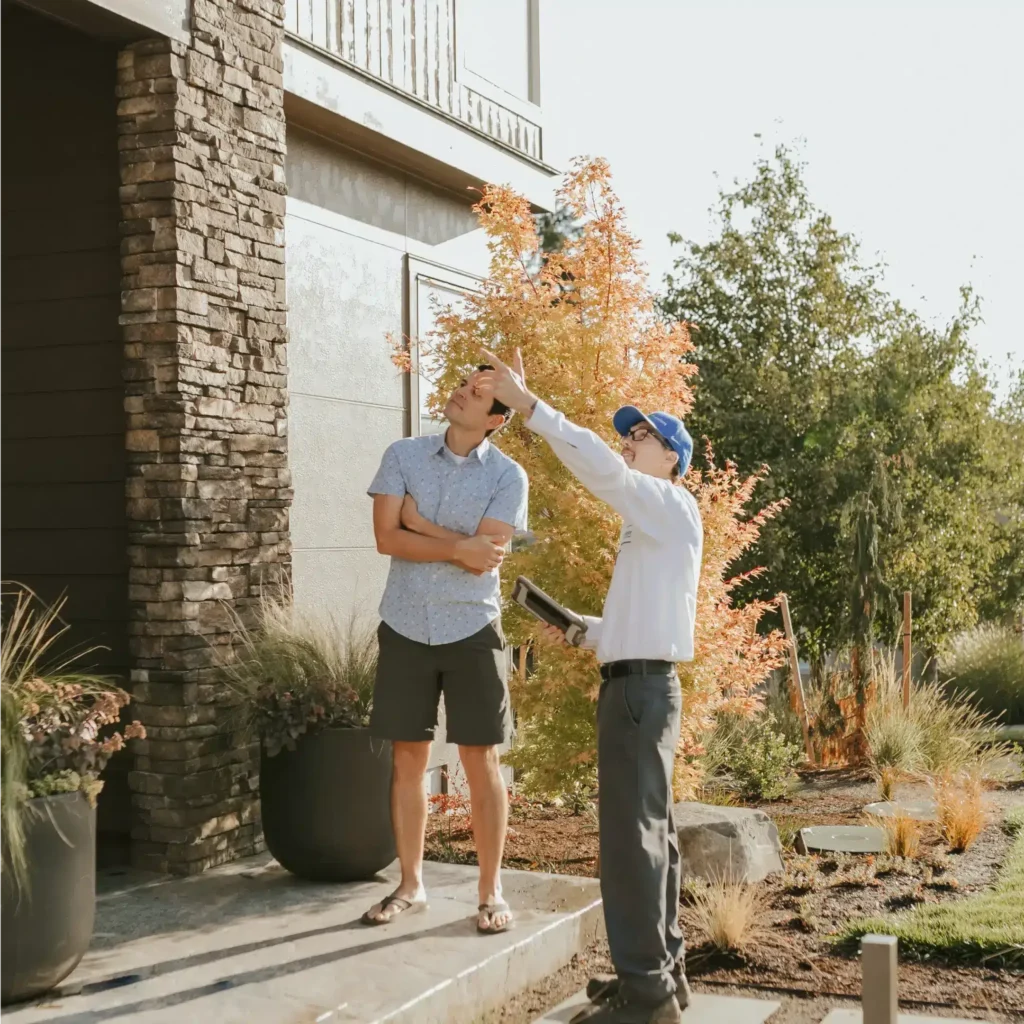
During inspection, technicians typically move in a methodical loop: exterior first, then interior, then structural vulnerabilities. Outside, they focus on eaves, soffits, porch overhangs, window frames, door thresholds, foundation lines, light fixtures, and landscaping that touches the structure. Inside, they check corners and edges that remain quiet, like behind furniture, under sinks, in basements, around utility rooms, and inside storage areas.
A careful inspection also considers what supports insect activity. Spiders are predators. If the property has a steady insect supply, spider prevention becomes harder until that supply is reduced. Professionals note moisture sources, gaps, clutter, and lighting patterns that attract insects.
This is where professional expertise saves time. Many people clean the obvious webs and feel temporarily relieved. Then spiders reappear, because the web network was not fully located, or the egg sacs stayed behind. Professional inspection turns spider control into a targeted plan instead of a guessing game, which is why it often produces longer-lasting results with fewer repeated surprises.
4. Web removal done right: not just the visible corners
Web removal is a cornerstone of spider prevention, but it needs to be thorough. Spiders rebuild quickly if anchor points remain and if the surrounding environment still supports prey. Professionals remove webs to disrupt feeding zones, remove scent and silk cues, and expose where spiders are living.
Key locations that commonly get missed include roof eaves, upper exterior corners, behind downspouts, under porch rails, inside garage rafters, behind stored items, and in attic corners. These are places that typical household tools or routines do not reach consistently. Professional equipment allows better reach and safer access, especially in high exterior zones where webs accumulate.
Web removal also includes egg sac removal whenever possible. Egg sacs can be small and easy to overlook, but leaving them behind can undo a large part of the work. Many infestations that feel “sudden” are actually egg sacs that matured quietly.
A professional approach treats web removal as a reset. By stripping away webs and sacs, then addressing why spiders were choosing those spots, spider control shifts from short-term cleanup to long-term prevention. Without that second step, web removal becomes a repeating chore rather than a solution.
5. Hiding spots inside the home that spiders love
Spiders do not need large spaces to thrive. Small, undisturbed zones provide all the shelter they require. Many of the most reliable hiding spots are created by routine storage habits and structural design. The quieter pockets a home offers, the easier spider prevention becomes to break.
Here are common indoor hiding spots professionals focus on:
- Cardboard boxes and stacked storage bins in garages or basements
- Cluttered shelving where items rarely move
- Behind appliances such as refrigerators and washers
- Under sinks near plumbing penetrations and moisture
- Inside closets where corners stay undisturbed
- Around water heaters, utility panels, and HVAC closets
- Behind headboards, nightstands, and large furniture
- In attic corners and crawl space edges
The goal is not to eliminate storage. The goal is to store smarter. Plastic bins with tight lids reduce harborage compared to cardboard. Keeping items off the floor and away from walls reduces hidden pathways. Regularly moving and cleaning certain corners breaks the “quiet zone” spiders rely on.
Professional spider control often succeeds faster because it pairs targeted treatments with practical harborage reduction. When hiding spots are reduced, spiders have fewer safe places to retreat, fewer protected areas for egg sacs, and fewer routes to re-establish after webs are removed.
6. Exterior hiding spots and web zones around the structure
Outdoor conditions can create a constant spider pipeline. Many spiders establish themselves around a structure first, then slip inside through small openings. Exterior spider prevention focuses on limiting web-building zones and reducing the insect activity that pulls spiders close.
Common exterior problem zones include:
- Under eaves and soffits where wind and rain are blocked
- Around porch lights and bright entryway fixtures
- Shrubs, vines, and tree branches touching walls
- Decorative rock, wood piles, and dense ground cover near foundations
- Gaps around windows, doors, vents, and utility entries
- Fence lines and patio edges that connect to the structure
When landscaping touches siding, spiders gain a bridge and insects gain shelter. Trimming plants back from the home reduces that access. Lighting choices matter too. Lights that attract fewer insects reduce the prey supply that supports web-building spiders.
Professionals also look for moisture. Downspout issues, poor drainage, and damp crawl spaces support insects that spiders feed on. So while spider control targets spiders, spider prevention often improves when moisture and insect pressure are addressed at the same time.
7. Sealing entry points to support spider prevention
Spiders do not need a wide opening to enter. Small gaps around pipes, vents, and door frames can be enough. Structural tightening is one of the simplest long-term strategies, but it works best when paired with inspection and web removal, because it is easy to miss key access points without a trained eye.
Here are the most common entry routes professionals target:
- Door sweeps and thresholds that leave a visible gap
- Window frames with worn seals or damaged screens
- Utility penetrations around plumbing, cable, and HVAC lines
- Dryer vents, attic vents, and crawl space vents without proper screening
- Cracks in foundations or gaps where siding meets trim
- Garage door edges where weather stripping has failed
Sealing is not about making a home “airtight.” It is about removing the easy routes that let pests move in. When entry points are reduced, spiders that build outside are less likely to migrate indoors, and insect prey is also reduced.
This is a key moment where professional guidance improves efficiency. Many homeowners seal the obvious gap but miss a network of small access points. Professionals can prioritize which openings matter most based on where webbing, sightings, and insect activity are actually occurring.
8. Keeping insect prey low so spiders have less reason to stay
Spiders follow food. If insects are thriving, spider control becomes harder because the environment continues to support predators. That is why many professional spider prevention plans include steps aimed at reducing insect prey, even if the homeowner is only focused on spiders.
Practical steps that reduce insect activity include:
- Reducing excess moisture and fixing small leaks promptly
- Keeping kitchen areas clean of crumbs and spills that attract insects
- Storing pantry goods in sealed containers
- Cleaning under appliances and in quiet corners regularly
- Managing trash with tight lids and routine removal
- Keeping outdoor lighting positioned away from doors when possible
Exterior insect control is just as important. Insects breed in damp leaf litter, clogged gutters, standing water, and dense landscaping. When those conditions are reduced, fewer insects gather near the structure, and fewer spiders establish web zones nearby.
This is one reason professional help often produces stronger results. Professionals can identify the specific insect pressure around a property and target the right zones, which indirectly weakens spider populations over time. Spider prevention becomes easier when the food source is not constantly renewing.
9. Safer support steps that complement professional spider control
Homeowners often want “simple tips” that do not turn into risky do-it-yourself experiments. The good news is that many spider prevention steps are low-risk and highly effective when used as support for a professional plan. The key is to focus on habitat reduction and routine disruption rather than aggressive chemical use.
Supportive steps that pair well with professional spider control include:
- Vacuuming corners, baseboards, and behind furniture weekly
- Removing webs as soon as they appear, especially near entry points
- Reducing clutter in garages, basements, and storage closets
- Switching from cardboard storage to sealed plastic bins
- Using door sweeps and repairing torn window screens
- Keeping shrubs and tree branches trimmed away from siding
- Improving ventilation in damp areas like basements and crawl spaces
These steps limit hiding spots and break up the quiet zones spiders prefer. They also help professionals by reducing the environmental support that causes recurrence.
The subtle point here is efficiency. Many homeowners can reduce spider activity with consistent prevention habits, but when webs keep returning or egg sacs appear repeatedly, professional spider control becomes the most direct and lasting solution. Support steps help maintain results, but professional inspection and treatment often address what routine cleaning cannot reach.
10. Higher-risk spiders and why identification changes the plan
Not all spiders are equal in terms of risk or management strategy. Some species are primarily nuisance pests, while others can create medical concerns if bites occur. Accurate identification matters because it changes where professionals look, how they approach removal, and what safety precautions are used.
If a property may be dealing with medically significant species, it is especially important to avoid casual handling or incomplete removal. Hiding spots like stored clothing, shoes, basement corners, and garage clutter can increase risk if higher-risk spiders are present. Professionals evaluate spider behavior patterns, web type, and likely harborage zones to guide safe control.
For additional context on safe, responsible handling approaches, this guide on dangerous spider species offers helpful background that supports informed prevention decisions.
When risk is higher, efficiency matters more. Professional spider control reduces exposure, improves identification accuracy, and ensures the plan targets the correct zones rather than relying on assumptions.
11. Long-term maintenance that keeps webs from coming back
Spider prevention works best when it is treated like maintenance, not a one-time event. Web removal and hiding spot reduction create a reset, but lasting spider control comes from keeping conditions unfavorable over time. Seasonal shifts, new gaps in weather stripping, changing landscaping growth, and fluctuating insect activity can all reintroduce spider pressure.
A sustainable maintenance approach includes:
- Inspecting exterior eaves and corners monthly for web buildup
- Cleaning garages and storage areas routinely, not just once a year
- Checking door sweeps and window screens each season
- Trimming landscaping regularly to prevent plant contact with walls
- Watching for moisture buildup near foundations and correcting drainage
- Scheduling periodic professional evaluations if spider activity persists
Preventative pest work often costs less and solves more. When a property is maintained proactively, pest pressure stays lower, and problems are addressed before they become widespread. For perspective on why prevention-driven service often delivers better long-term outcomes, this resource on long-term cost savings explains how proactive strategies reduce recurring expenses and repeated infestations.
If webs keep returning quickly after removal, or if spiders are appearing in multiple rooms and exterior zones, professional spider control is usually the most efficient next step. Professionals can combine detailed inspection, web and egg sac removal, targeted treatments, and structural recommendations that shorten the cycle of recurrence.
Get professional spider control that lasts
For thorough web removal, targeted spider prevention, and reliable spider control strategies tailored to your property, contact Evo Pest Control to schedule an inspection and a customized prevention plan.