
Spring introduces one of the most unpredictable phases in pest activity. As temperatures rise and moisture levels shift, pests emerge from dormancy and begin reproducing at a faster pace. What makes this season particularly challenging is not just the increase in activity, but the inconsistency. Pest populations do not rise in a straight line. They surge, slow down, relocate, and reappear based on environmental triggers that can change quickly.
These fluctuations are often influenced by shifts such as sudden rainstorms, brief cold snaps, or changes in surrounding vegetation. As a result, pest activity in spring feels uneven, with some areas experiencing spikes while others remain temporarily quiet. This uneven distribution makes it harder to predict where problems will appear next without a structured system.
From an expert perspective, spring pest control is not about reacting to what is visible today. It is about anticipating what will happen next week or after the next weather shift. This approach allows professionals to stay ahead of pest development rather than constantly catching up. It also ensures that emerging populations are addressed before they become established.
This is where pest control packages become essential. They are designed to adapt in real time, ensuring fluctuating pest populations are managed with precision rather than guesswork. By combining scheduled visits with flexible adjustments, these programs provide continuous protection that aligns with the unpredictable nature of spring pest activity.
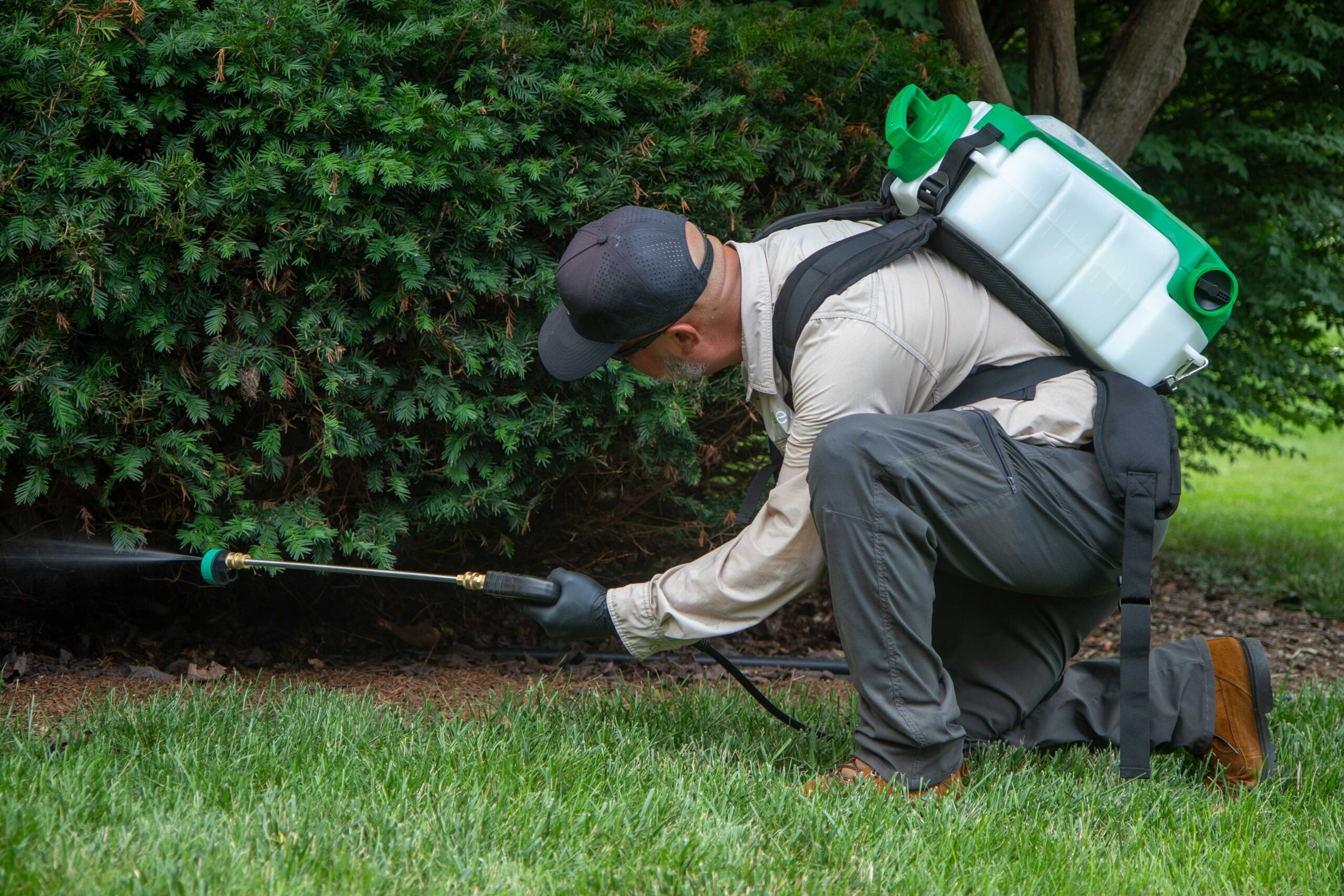
Why Pest Populations Fluctuate So Rapidly in Spring
Spring creates a perfect combination of biological and environmental conditions that allow pests to multiply quickly while also shifting their behavior. These changes are not isolated. They interact with one another, creating a cycle of growth and movement that can accelerate unexpectedly.
- Rising temperatures. Warmer conditions speed up metabolism and reproduction cycles, allowing pests to develop faster than in colder months
- Moisture surges. Rainfall and humidity provide ideal breeding conditions, especially for insects that rely on damp environments
- Food availability. Plant growth and organic debris increase, giving pests more consistent access to nutrition
- Shelter transitions. Pests move between outdoor and indoor spaces depending on stability and safety
- Short life cycles. Many pests can reproduce within days, causing sudden spikes in population
- Increased competition. As populations grow, pests spread out to new areas in search of resources
- Microclimate variations. Different parts of a property may warm or retain moisture at different rates, creating uneven activity zones
What makes this more complex is that these factors do not remain constant. A warm week followed by heavy rain can shift activity patterns entirely, pushing pests into new areas or accelerating reproduction in existing ones. Even small environmental changes can have a noticeable impact on how and where pests behave.
This constant variation is what makes spring pest control particularly challenging. Without a system that can respond to these shifts, treatments may quickly become outdated. Pest control packages are built to track and respond to these changes, ensuring that strategies remain aligned with real-time conditions rather than relying on static schedules.
What Seasonal Pest Control Packages Are Designed to Do
Seasonal pest control packages are structured programs that maintain continuous protection throughout changing conditions. Instead of treating a problem once, they create a system that evolves alongside pest activity. This ongoing structure is especially important during spring, when pest behavior can shift quickly due to environmental changes.
Rather than relying on isolated treatments, these packages focus on building consistency over time. Each visit is designed to reinforce the previous one, creating a layered approach that becomes more effective as the season progresses. This allows pest control efforts to stay aligned with real-world conditions rather than reacting too late.
- Ongoing inspections. Regular evaluations identify early signs before they become widespread
- Adaptive treatments. Solutions are adjusted based on current pest behavior and environmental conditions
- Preventative focus. Addressing root causes reduces the chance of reinfestation
- Layered protection. Combining multiple strategies to cover different pest types
- Consistent monitoring. Tracking trends to anticipate future activity
- Strategic timing. Treatments are applied when pests are most vulnerable in their lifecycle
- Property-specific planning. Each plan is tailored to the conditions and risks of the location
These packages are not just about treatment frequency. They are about timing, precision, and responsiveness. Each visit builds on the previous one, creating a cumulative effect that stabilizes pest populations over time. As conditions shift, adjustments are made to maintain effectiveness without overapplying treatments.
Another important aspect is continuity. Instead of restarting the process with each service, professionals build on existing data and observations. This allows for more accurate decisions and better long-term results. Over time, this approach reduces the intensity of infestations and makes pest activity more predictable.
Understanding the long-term value of this approach is essential. In our recent article on package cost benefits, the advantages of structured pest control programs are explored in greater detail.
The Role of Early Spring Inspections
The foundation of effective spring pest control begins with early inspection. This phase sets the direction for everything that follows. Without a clear understanding of existing conditions, it becomes difficult to apply treatments in a way that delivers consistent results.
Early spring inspections focus on identifying both visible activity and hidden risks. Even when pest presence appears minimal, underlying conditions may already support population growth. Detecting these factors early allows for more targeted and effective intervention.
- Locating overwintering sites. Identifying where pests remained dormant during colder months
- Detecting early movement. Observing initial activity patterns before populations expand
- Evaluating structural vulnerabilities. Checking for entry points that developed during winter
- Assessing moisture zones. Identifying areas that may attract pests after rainfall
- Reviewing landscaping conditions. Determining how outdoor environments contribute to pest activity
- Identifying high-risk areas. Pinpointing spaces that consistently attract pests year after year
- Establishing baseline activity. Creating a reference point for future monitoring and adjustments
Early inspections allow professionals to act before populations reach peak levels. Instead of reacting to infestations, they interrupt the process before it accelerates. This early intervention is one of the most effective ways to reduce the severity of pest issues later in the season.
Another key benefit is accuracy. When inspections are conducted early, treatments can be applied with greater precision. This reduces unnecessary applications and ensures that resources are focused where they are needed most.
Without this step, treatments risk being reactive rather than preventative, which often leads to inconsistent results. A well-executed inspection phase ensures that every action taken afterward is informed, strategic, and aligned with the evolving conditions of spring pest activity.
How Treatments Are Adjusted as Populations Change
One of the defining strengths of pest control packages is their ability to adapt. As pest populations fluctuate, treatment strategies evolve to maintain effectiveness. This adaptability is what allows pest control to remain consistent even when conditions change rapidly throughout the spring season.
Pests do not behave in a predictable or uniform way. Their movement is influenced by temperature shifts, moisture levels, and access to resources. As a result, areas that were previously inactive may suddenly become hotspots, while others may quiet down temporarily. Treatment strategies must reflect these changes in real time to remain effective.
- Increasing frequency. During peak activity periods when populations surge, and reproduction accelerates
- Shifting application zones. Targeting new areas as pests relocate in response to environmental changes
- Changing treatment types. Addressing different life stages or species as the activity evolves
- Expanding coverage. Adjusting to a wider spread of activity across the property
- Scaling back strategically. Reducing intensity once stability is achieved to maintain balance
- Focusing on hotspots. Concentrating efforts on areas showing the highest levels of activity
- Timing adjustments. Aligning treatments with pest lifecycle stages for maximum impact
This flexibility is critical during spring. Pest behavior can change within days, especially after weather events such as rain or sudden temperature increases. A fixed approach often fails to keep up with these rapid shifts, leaving gaps in protection.
Seasonal packages ensure that treatments remain aligned with current conditions rather than outdated assumptions. By continuously evaluating results and adjusting methods, professionals can maintain control even as pest populations rise and fall. This dynamic approach is what allows pest control to remain effective throughout the most unpredictable part of the year.
Preventive Measures That Support Long-Term Control
Prevention is one of the most powerful components of spring pest control. By reducing the conditions that attract pests, these measures limit population growth before it begins. Instead of focusing only on eliminating existing pests, prevention addresses the reasons they are present in the first place.
This proactive approach creates a foundation for long-term stability. When the environment becomes less favorable for pests, their ability to establish and expand is significantly reduced.
- Sealing entry points. Closing gaps that allow pests to enter and move freely indoors
- Managing moisture. Eliminating standing water and excess humidity that support breeding
- Improving sanitation. Reducing food sources that sustain pest activity
- Adjusting landscaping. Removing shelter areas near structures that provide protection
- Monitoring seasonal shifts. Identifying risks early as environmental conditions change
- Reducing clutter. Limiting hiding spaces both indoors and outdoors
- Improving drainage. Preventing water buildup that attracts insects
These preventative actions create an environment that is less hospitable to pests. Over time, this reduces reliance on reactive treatments and supports more consistent control. Instead of dealing with repeated infestations, property owners experience fewer disruptions and more predictable conditions.
Another important benefit is durability. Preventative measures continue to work even between treatments, providing ongoing protection without additional intervention. This makes them one of the most efficient aspects of pest control.
Prevention also plays a key role in cost efficiency. In our blog post on proactive savings insights, the financial benefits of early intervention are discussed in depth.
Why One-Time Treatments Struggle in Spring Conditions
Spring pest activity is too dynamic for one-time solutions. While a single treatment may reduce visible pests, it does not account for ongoing changes that continue to unfold after the initial application. What may seem effective in the moment often fades quickly as new factors come into play.
New pests emerge from eggs, migrate from surrounding areas, and adapt to environmental shifts. These changes happen continuously, not in isolated stages. A one-time approach addresses only a snapshot of activity, not the full cycle. This means that even after a successful treatment, new populations can begin forming almost immediately.
Another challenge is timing. If a treatment is applied before a surge in activity, it may miss the peak population entirely. If applied too late, the infestation may already be well established. Without ongoing adjustments, it becomes difficult to stay aligned with these changing conditions.
Seasonal pest control packages, on the other hand, provide continuity. They maintain protection over time, ensuring that new activity is addressed as it develops. Instead of relying on a single point of intervention, they create a sequence of treatments that build on one another.
This ongoing approach is what allows pest control to remain effective despite constant fluctuations. It bridges the gap between initial treatment and long-term stability, ensuring that pest activity is managed as a continuous process rather than a one-time event.
The Importance of Monitoring Between Treatments
Monitoring is what keeps pest control packages responsive. It provides real-time insight into how pest populations are changing and ensures that strategies remain aligned with current conditions.
Without monitoring, pest control becomes reactive. Professionals would have to wait until the activity becomes visible before taking action. Monitoring eliminates this delay by identifying trends early, often before they are noticeable to property owners.
- Tracking activity levels. Identifying increases or decreases in pest presence across different areas
- Detecting new hotspots. Locating emerging areas of concern before they spread
- Evaluating treatment performance. Adjusting methods based on how well previous applications are working
- Observing environmental shifts. Responding to weather and seasonal changes that influence pest behavior
- Maintaining coverage consistency. Ensuring no gaps in protection between visits
- Identifying recurring patterns. Recognizing areas that repeatedly attract pests
- Supporting proactive decisions. Allowing adjustments before problems escalate
This continuous feedback loop allows for precise adjustments. Instead of waiting for visible problems, monitoring enables early intervention. It transforms pest control from a reactive service into a proactive system that anticipates change.
Another key benefit is accuracy. Monitoring provides data that helps refine treatment plans over time, making them more efficient and targeted. This ensures that each action taken contributes to long-term control rather than temporary relief.
How Weather Swings Disrupt Pest Control Timing
Spring weather is rarely stable. Sudden temperature changes, rainfall, and humidity spikes all influence pest behavior in ways that can be difficult to predict without experience.
A warm period may trigger rapid reproduction, leading to sudden population increases. A brief drop in temperature may slow activity temporarily, but it does not eliminate the pests. Instead, it may delay their movement until conditions improve again.
Heavy rain can create new breeding sites, especially in areas where water collects. This often leads to a surge in insect populations shortly after rainfall. On the other hand, dry conditions may push pests indoors as they search for moisture and shelter.
These constant shifts make timing one of the most challenging aspects of spring pest control. Treatments that are effective under one set of conditions may need to be adjusted when those conditions change.
Seasonal pest control packages account for these variables by adjusting timing and application methods. Treatments are scheduled based on conditions rather than fixed dates, ensuring that they remain effective regardless of environmental changes. This flexibility allows pest control efforts to stay aligned with real-world conditions, providing consistent protection even during unpredictable weather patterns.
How Different Pests Respond to Spring Conditions
Not all pests react to spring in the same way. Understanding these differences is essential for effective pest control.
- Ants. Expand colonies and increase foraging activity
- Spiders. Follow insect populations and settle in quiet areas
- Rodents. Seek food and nesting sites as activity increases
- Wasps. Begin building nests and establishing colonies
- Cockroaches. Thrive in warm, humid environments
Each pest requires a tailored approach. Seasonal packages are designed to address multiple pest types simultaneously, ensuring comprehensive coverage.
The Science Behind Treatment Intervals
Treatment intervals are not arbitrary. They are based on the lifecycle of pests and how quickly populations can grow.
Applying treatments too early or too late can reduce effectiveness. Seasonal pest control packages are designed to align with these cycles, ensuring that treatments are applied when they will have the greatest impact.
This scientific approach ensures that pest populations are controlled at critical stages, preventing them from reaching peak levels.
How Seasonal Packages Improve Long-Term Pest Stability
The ultimate goal of pest control packages is stability. By combining inspection, treatment, prevention, and monitoring, they create a system that reduces fluctuations over time.
Pest populations become more predictable, easier to manage, and less disruptive. Instead of dealing with sudden infestations, property owners experience consistent control.
This long-term perspective is what makes seasonal packages effective, especially during spring when conditions are most variable.
Essential Insights
Spring pest activity is unpredictable, but it can be managed with the right strategy. Seasonal pest control packages provide the structure needed to handle fluctuating populations, ensuring that activity remains controlled as conditions change.
By combining early inspections, adaptive treatments, preventative measures, and continuous monitoring, these programs create a comprehensive solution that addresses both immediate concerns and long-term stability.
Take Control Before Activity Takes Over
Spring pest activity moves quickly, but the right approach keeps it manageable. A structured plan ensures that fluctuating populations are addressed before they become a larger problem.
For consistent protection and expert guidance, contact Evo Pest Control and take the next step toward a more controlled and stable environment.