
For many homeowners, pest control decisions involve more than just eliminating ants or rodents. Pets are part of the household, and safety is a top concern. A common question arises: Do pet-safe treatment options work as effectively as traditional pest control products?
The short answer is yes, when used correctly and strategically. The longer answer involves understanding how modern pest control has evolved, how products are formulated, and why the application method often matters more than the label category. Pet-safe treatment does not mean weaker results. It means a carefully structured approach that reduces exposure while still targeting pests where they live and travel.
To evaluate performance honestly, we need to examine pest biology, treatment placement, product development, and the importance of professional oversight.
How Modern Pest Control Has Evolved
Pest control has changed significantly over the past two decades. Older methods often relied on broad interior spraying with strong residual chemicals. While effective at killing visible pests, these methods were not always precise and sometimes created unnecessary exposure. Today, the industry leans more heavily on targeted application, improved formulations, and a better understanding of pest behavior, which helps achieve strong results with less disruption inside living spaces.
Modern service focuses on intercepting pests where they travel, not just where they are spotted. Technicians now prioritize entry points, harborage zones, and environmental conditions that keep pests coming back, such as moisture, food access, and sheltered pathways along foundations. This approach often reduces repeat infestations because it addresses the drivers behind pest activity, not just the symptoms.
Pet-safe treatment approaches prioritize:
- Precision placement rather than broadcast application
- Lower odor and reduced volatility formulas
- Targeted insect growth regulators for long-term disruption
- Exterior-first strategies that reduce indoor exposure
- Monitoring tools that minimize open-contact materials
This shift matters because many infestations develop quietly. When treatments are placed in the right zones, the results often improve even if the product is not “stronger” on paper. Modern pest control is less about saturation and more about smart timing, accurate identification, and a plan that evolves with seasonal pest behavior.
What Makes a Treatment “Pet-Safe”?
The term pet-safe treatment does not mean completely harmless in every situation. Instead, it refers to products and methods that are applied according to strict safety guidelines, minimizing exposure once they are properly set. The concept includes product choice, application method, and clear instructions that keep pets away from active materials during the short period when exposure risk is highest.
A key point is that “pet-safe” is usually a treatment protocol, not a single magic product. Professionals consider where pets spend time, how pets explore, and which areas are high-contact zones, such as floors, baseboards, patio edges, and grassy perimeter lines. Treatments are then designed to avoid those areas whenever possible, relying more on controlled placement and exterior barriers.
Several factors contribute to safety:
- Application in inaccessible areas such as cracks and voids
- Allowing products to dry before pets reenter treated spaces
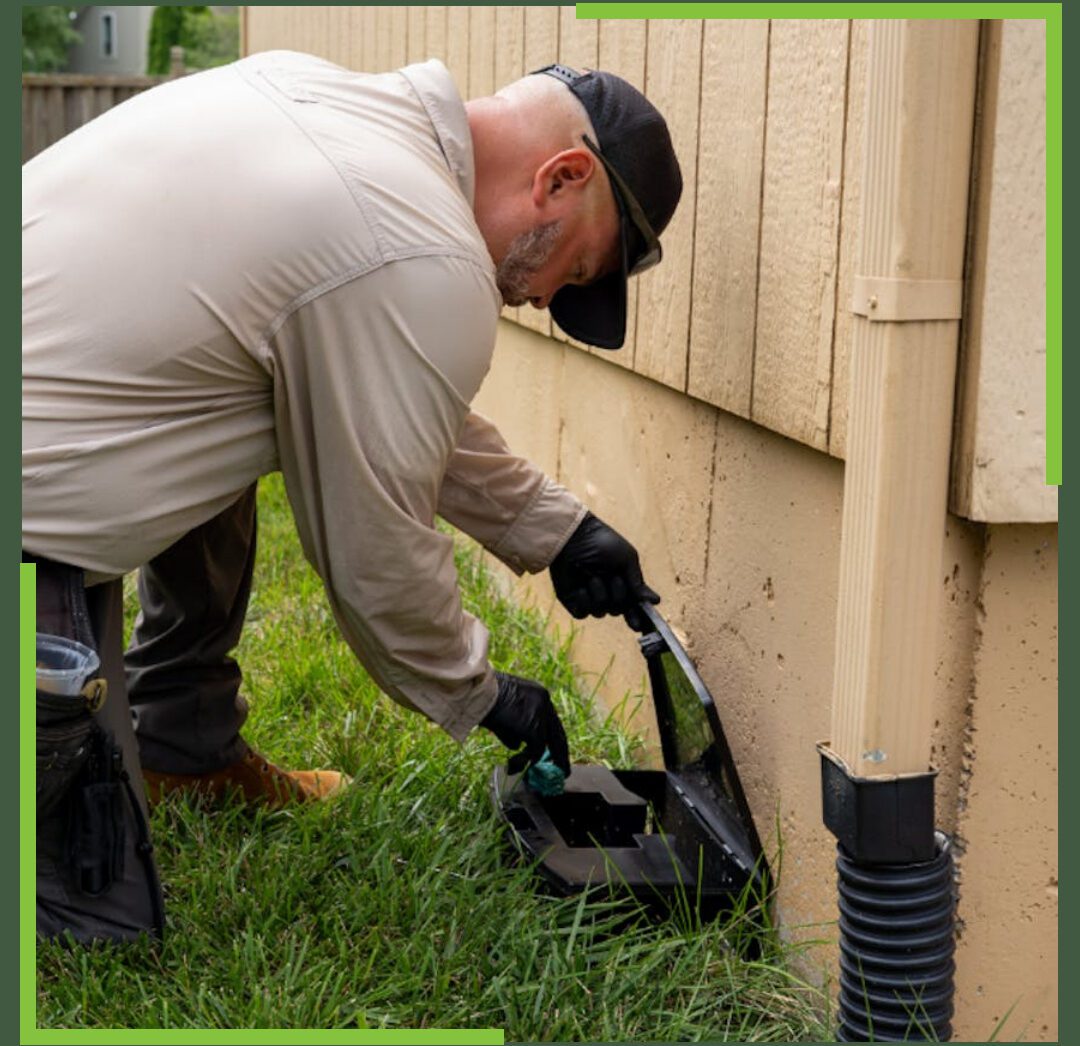
- Using tamper-resistant bait stations for rodents
- Choosing formulations with low toxicity when used as directed
- Clear communication about reentry times
Safety depends heavily on correct use. Even a lower-toxicity product can be risky if applied improperly, and even traditional products can be low-risk once placed correctly and fully dried. This is why professional oversight makes a major difference, because proper placement and guidance keep safety and effectiveness aligned.
Do Pet-Safe Products Kill Pests as Quickly?
One misconception is that pet-safe products are slower or less powerful. In reality, effectiveness depends on pest type, infestation level, and placement strategy. Speed is not always the best measure of success, especially for pests that live in hidden colonies or reproduce quickly. In many situations, a fast knockdown only eliminates visible individuals while the root source continues.
For example:
- Ant control often relies on bait systems that allow workers to carry the product back to the colony. Speed is less important than colony elimination.
- Rodent management focuses on monitoring and strategic station placement rather than immediate elimination.
- Cockroach treatments use growth regulators and targeted gel placements to disrupt reproduction cycles.
A bait-based approach may look slower on the surface because activity can continue briefly while pests transfer the product throughout the nest. However, that “delay” is often what makes the approach effective, because it reaches the population that remains out of sight. Similarly, growth regulators do not always produce immediate die-off, but they can dramatically reduce long-term pressure by stopping reproduction and preventing new generations from establishing.
When evaluating results, it helps to measure overall reduction in pest activity across the property, not how quickly one insect falls over. Pet-safe treatment aims for controlled elimination and prevention, which often delivers stronger long-term outcomes than a fast but short-lived knockdown.
Why Placement Matters More Than Strength
Professional pest control emphasizes that placement drives effectiveness. Strong products applied incorrectly can fail. Moderate products placed precisely can outperform aggressive broadcast sprays. This is because pests follow predictable pathways, hide in protected spaces, and avoid open surfaces when disturbed. If treatments miss those travel routes and harborages, pest populations often rebound.
Proper placement also helps avoid worsening the situation. Over-spraying visible pests can cause insects like roaches to scatter deeper into wall voids or spread to other rooms. In contrast, targeted applications intercept pests where they consistently travel, which creates better control without unnecessary product in living areas.
Key placement strategies include:
- Exterior perimeter barriers that intercept crawling pests
- Crack and crevice applications near entry points
- Focused treatments around moisture sources
- Sealed bait stations in controlled locations
- Seasonal adjustments based on pest movement
Placement is also central to safety. Pets spend time near floors, thresholds, and baseboards. A well-planned pet-safe treatment approach keeps products in low-contact zones and uses exterior-first tactics to reduce indoor needs. In spring pest control, for example, reinforcing the exterior boundary early can prevent indoor activity later, which reduces the need for interior exposure. The right placement strategy protects both the home and the household routine while still delivering strong results.
The Role of Perimeter Defense
A strong perimeter reduces the need for indoor product use. Many pest professionals focus on the exterior first because most pests originate outdoors.
Regular boundary evaluations are critical. This overview of perimeter inspection benefits explains how routine exterior checks prevent infestations before they start.
Perimeter-focused service often includes:
- Treating foundation lines
- Inspecting landscaping contact points
- Sealing gaps near doors and windows
- Monitoring for rodent entry
By strengthening exterior defenses, technicians limit pest access. This reduces interior exposure and supports pet-safe treatment protocols without sacrificing effectiveness.
Comparing Pet-Safe and Traditional Formulations
Traditional formulations often relied on higher concentrations and broader application areas. Modern formulations prioritize precision and controlled release. The difference is less about whether a product is “strong” and more about how it behaves after application. Many newer products are designed to last longer in protected zones and to work through transfer, ingestion, or life-cycle disruption rather than direct contact kill alone.
Here are the main differences:
- Traditional methods often involved widespread surface sprays.
- Pet-safe treatment focuses on targeted, low-exposure zones.
- Newer formulas may use microencapsulation for longer residual control.
- Growth regulators disrupt life cycles rather than relying solely on contact kill.
Traditional sprays could deliver quick results on exposed insects, but they were also more likely to be removed by cleaning, disturbed by foot traffic, or exposed to sunlight and weather outdoors. Modern treatments, especially when placed in cracks, crevices, and perimeter zones, can remain active longer and maintain consistent control.
Pet-safe treatment also tends to emphasize formulation selection based on household needs. Lower odor, lower volatility, and controlled placement reduce exposure without automatically reducing effectiveness. In many real-world cases, targeted modern formulations perform better because they match pest behavior more accurately and remain active where pests actually travel.
Seasonal Considerations and Effectiveness
Pest behavior changes with seasons, and treatment strategies must adapt. During spring pest control, emerging ant activity and increased spider movement are common. Summer often increases mosquito pressure and other warm-weather pests. Fall typically signals a shift toward indoor shelter-seeking behavior, and winter can concentrate pest problems in warmer interior spaces.
Pet-safe treatment plans adapt accordingly:
- Spring focuses on preventing colony establishment
- Summer targets breeding cycles
- Fall emphasizes exclusion and monitoring
- Winter concentrates on interior inspection
Seasonal timing improves effectiveness because pests are easier to manage at certain stages. Spring is often ideal for creating exterior barriers before populations peak. Summer emphasizes reducing breeding sources and outdoor pressure so pests do not overwhelm the perimeter. Fall is critical for sealing entry points and monitoring, especially as rodents and other pests look for stable shelter. Winter supports long-term control by identifying hidden interior activity early.
Seasonal planning also helps keep households safer. When treatments are timed correctly, technicians can rely more on exterior prevention and less on broad interior applications. That is a major reason seasonal alignment matters for pet-safe treatment, because it supports effective results while keeping exposure low and predictable throughout the year.
Simple Homeowner Actions That Support Pet-Safe Treatment
Professional treatments work best when homeowners reduce conducive conditions. Even the most advanced products cannot overcome structural issues or persistent attractants.
Helpful practices include:
- Removing standing water around foundations
- Sealing visible cracks and gaps
- Trimming vegetation touching exterior walls
- Storing pet food in sealed containers
- Cleaning up spilled food promptly
In spring, homeowners can also follow guidance outlined in these spring pest-proofing tips to reduce insect pressure before it escalates.
When environmental factors are controlled, pet-safe treatment performs more efficiently and often requires fewer adjustments.
Addressing Rodents with Safety in Mind
Rodents create a unique challenge in pet-safe treatment because control tools must remain inaccessible to pets. Safety depends on secure placement, correct product selection, and ongoing monitoring. Rodents often travel along edges such as walls, fences, and stored items, which means effective control focuses on those predictable pathways rather than open areas.
Effective rodent control includes:
- Strategic station placement along exterior travel routes
- Monitoring and adjustment based on activity
- Sealing structural gaps
- Reducing food sources and clutter
Tamper-resistant bait stations are often used because they limit access and keep materials contained. Placement is typically along exterior perimeters, behind appliances, in garages, or near entry vulnerabilities where rodents are active, but still positioned to reduce pet contact. Monitoring is essential because rodent behavior can shift quickly. A station that shows activity one week may become inactive the next if rodents find a new route, which is why professional adjustment improves outcomes.
Exclusion is also a major part of safety-focused rodent control. Sealing gaps and reinforcing door thresholds reduces how often stations are needed and lowers long-term exposure potential. When rodent control is managed professionally, households often see better results with less risk because tools remain controlled, secured, and actively monitored.
Integrated Pest Management and Long-Term Results
Integrated pest management combines inspection, targeted treatment, environmental modification, and monitoring. This approach supports pet-safe treatment while maintaining high performance standards. Instead of relying on frequent broad applications, IPM uses a layered system that reduces the conditions pests need to survive.
Key principles include:
- Identifying pest species accurately
- Treating only where necessary
- Monitoring outcomes
- Adjusting strategy seasonally
Accurate identification matters because different pests require different strategies. Ants may respond best to colony-focused baiting, while cockroaches require harborage targeting and reproduction disruption. Monitoring allows technicians to track activity over time and confirm whether the plan is working. Environmental modification can include reducing moisture, sealing entry points, and addressing shelter zones like cluttered storage or overgrown landscaping.
This approach often yields stronger long-term results because it lowers the chance of repeat infestations. It also supports safety by keeping product use focused and purposeful. When treatments are applied only where needed and paired with prevention, the home sees fewer pest spikes, fewer urgent visits, and a more stable baseline of control. IPM is one of the main reasons pet-safe treatment can remain both effective and practical.
Do Pet-Safe Products Truly Perform as Well?
When applied correctly, pet-safe treatment options perform just as effectively as traditional ones. The difference lies in strategy, not strength. Modern pest control emphasizes knowledge, precision, and timing rather than widespread saturation.
Effectiveness depends on:
- Correct identification of the pest
- Proper placement
- Seasonal timing
- Environmental adjustments
Professional oversight ensures each of these elements works together. Without proper planning, even strong traditional products can fail. With proper strategy, pet-safe solutions achieve comparable or better long-term results.
Protect Your Home the Smart Way
For expert guidance on effective pet-safe treatment and seasonal pest management, contact Evo Pest Control to discuss a plan tailored to your home and pets.