
A home inspection is often viewed as a single appointment on a calendar, but in reality, it is a layered process shaped by property size, condition, and the level of detail required. What appears straightforward on the surface often involves a sequence of careful observations, cross-checking conditions, and evaluating how different parts of the home interact with one another. When pest-related risks are involved, the timeline becomes even more nuanced, as inspectors shift their focus beyond visible surfaces and into the underlying factors that invite or sustain activity.
A proper pest control inspection is not simply about looking for obvious signs like droppings or damage. It involves identifying subtle patterns, environmental conditions, and entry points that may not be immediately obvious during a quick walkthrough. Inspectors often look for early-stage indicators, such as minor moisture buildup, small structural gaps, or changes in airflow, all of which can quietly support pest presence over time. These details require patience and a trained perspective, which naturally extends the time needed for a complete and reliable evaluation.
Understanding how long a typical inspection takes allows homeowners to plan accordingly and appreciate the level of care required to do it properly. It also helps set realistic expectations, especially for those who may assume the process can be completed quickly without compromising quality. More importantly, it highlights why rushing this process often leads to missed details and recurring pest issues that could have been addressed early with a more thorough approach.
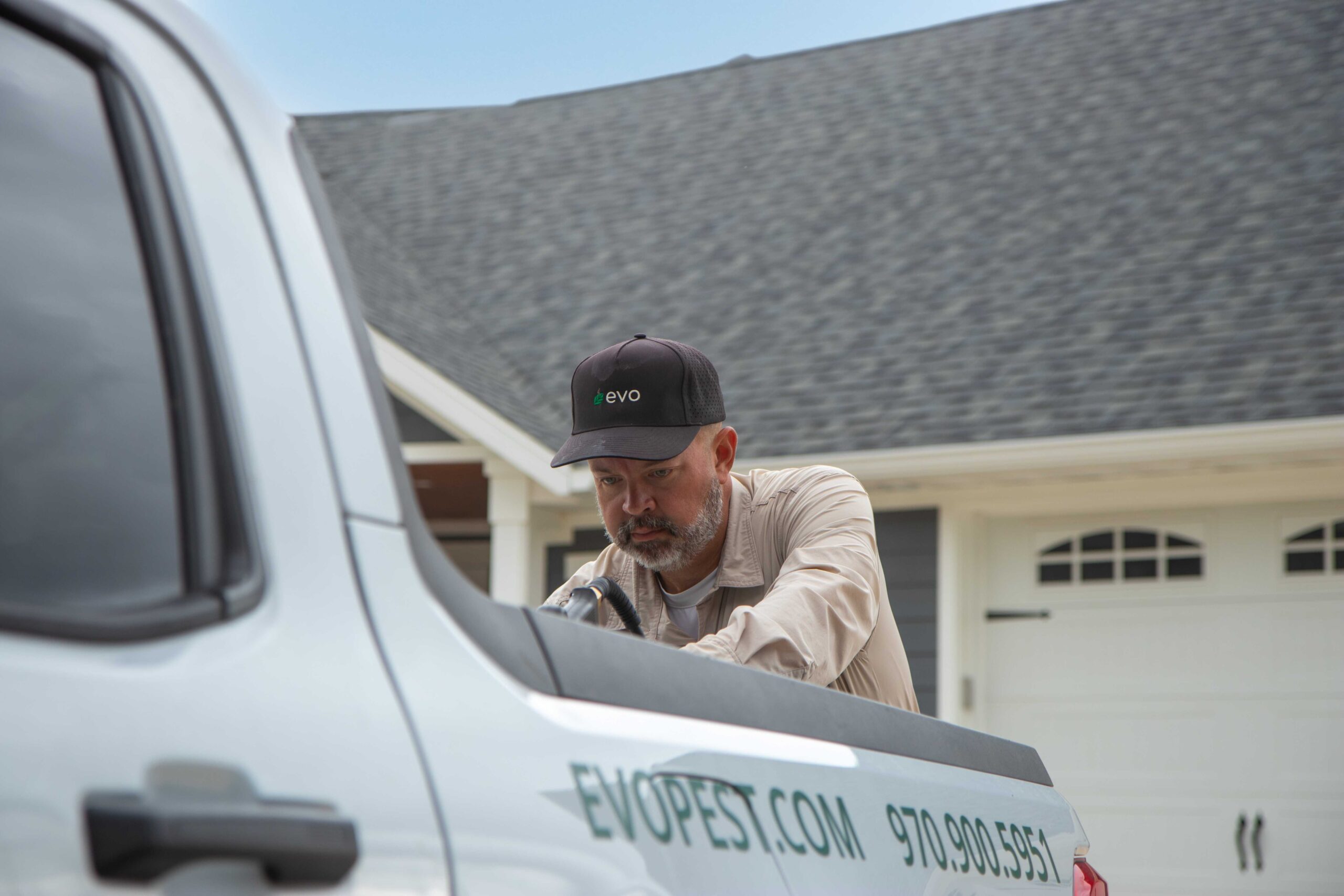
What a Home Inspection Actually Involves
A standard home inspection covers multiple systems within a property, but when pest control is included, the process expands beyond structural elements. Inspectors evaluate both the physical condition of the home and the environmental factors that contribute to pest activity.
The process typically includes:
- Exterior assessment, including foundation, siding, and rooflines
- Interior inspection of walls, ceilings, and flooring
- Attic and crawl space evaluation
- Moisture-prone areas such as kitchens, bathrooms, and basements
- Signs of pest activity such as droppings, nesting, or damage
- Entry points like gaps, cracks, and utility penetrations
A thorough pest control inspection adds another layer of analysis by focusing on how pests interact with the home. This includes understanding seasonal patterns, local pest pressures, and the way small vulnerabilities can lead to larger infestations over time.
Average Time for a Standard Home Inspection
For most residential properties, a typical home inspection takes between two to four hours. This range applies to homes that are average in size and condition. However, this estimate can shift depending on several variables.
Smaller homes or condominiums may take closer to two hours, while larger properties or those with complex layouts can extend well beyond four hours. When pest control considerations are included, the inspection may take longer due to the need for more detailed examination of hidden areas.
It is important to understand that time spent is directly tied to the quality of the inspection. A shorter inspection does not necessarily mean efficiency. In many cases, it may indicate that certain areas were not evaluated thoroughly.
How Pest Control Inspection Adds to the Timeline
A pest control inspection is not a surface-level check. It involves targeted observation and careful analysis of areas where pests are most likely to live, travel, or enter the home.
Inspectors often focus on:
- Structural gaps that allow pest entry
- Moisture conditions that attract insects
- Organic debris near the foundation
- Insulation disturbances in attics
- Evidence of rodent pathways or nesting
Because many pest issues begin in concealed areas, inspectors may need additional time to access crawl spaces, attics, or tight corners. This level of detail ensures that early signs of infestation are identified before they develop into larger problems.
Factors That Influence Inspection Duration
Several elements can significantly affect how long an inspection takes. These factors are not always obvious at first glance, but they play a critical role in determining the scope of the evaluation.
- Property size and layout complexity
- Age of the home and previous maintenance history
- Accessibility of key areas such as attics and crawl spaces
- Presence of visible or suspected pest activity
- Weather conditions affecting exterior inspection
- Level of detail requested by the homeowner
Homes with limited access points or cluttered areas often require more time. Similarly, older properties may demand closer attention due to wear and potential structural vulnerabilities that attract pests.
Exterior Inspection Timeline and Focus
The exterior portion of the inspection sets the foundation for understanding how pests may be entering the home. This stage often takes 30 to 60 minutes, depending on the size of the property and the surrounding landscape.
Inspectors typically evaluate:
- Foundation cracks and gaps
- Landscaping that touches the structure
- Standing water or drainage issues
- Roof edges and eaves
- Entry points around doors and windows
- Utility lines and penetrations
This step is essential because many pest problems originate outside the home. Conditions such as overgrown vegetation or poor drainage can create an environment that encourages pest activity long before it becomes visible indoors.
Interior Inspection: What Takes the Most Time
Interior inspections often account for the largest portion of the total time. This phase can take one to two hours or more, depending on the complexity of the home.
During this stage, inspectors move systematically through each room, paying close attention to areas where pests are likely to thrive. Kitchens and bathrooms are common focal points due to the presence of food and moisture.
Inspectors also look for subtle indicators such as:
- Small droppings or debris
- Unusual odors
- Discoloration on walls or ceilings
- Signs of wood damage
Because these signs can be easy to overlook, a careful and methodical approach is necessary. Rushing through interior spaces increases the risk of missing early warning signs.
Attics, Crawl Spaces, and Hidden Areas
Hidden areas are often where pest activity begins. These spaces can add 30 to 90 minutes to the inspection, depending on accessibility and condition.
Inspectors focus on:
- Insulation integrity and disturbances
- Evidence of nesting or burrowing
- Moisture buildup and ventilation issues
- Structural vulnerabilities
- Rodent pathways and entry points
These areas require extra caution and attention because they are rarely visited by homeowners. Problems that develop here can go unnoticed for long periods, making early detection especially valuable.
The Role of Documentation and Reporting
An inspection does not end when the physical walkthrough is complete. Documentation is a critical part of the process and can add additional time to the overall timeline.
Inspectors compile findings into a structured report that outlines:
- Observed issues and areas of concern
- Evidence of pest activity
- Conditions that may lead to infestations
- Recommendations for prevention or treatment
This reporting phase ensures that homeowners have a clear understanding of the property’s condition. It also provides a roadmap for addressing any identified problems.
Why Thorough Inspections Prevent Bigger Problems
A thorough inspection goes beyond spotting what is already present. It plays a key role in preventing issues from developing in the first place. Small weaknesses in a home can quietly turn into larger infestations when they are not addressed early, especially when conditions continue to support pest activity without being noticed.
For instance, a small crack along the foundation might not seem important at first, but it can easily become an access point for ants, rodents, and other pests looking for shelter. In the same way, lingering moisture in a crawl space creates a favorable environment where insects can survive and multiply. Even minor concerns, when left unchecked, can gradually lead to more persistent problems that are harder to manage later on.
Taking the time to complete a detailed pest control inspection allows these risks to be identified and corrected before they escalate. It supports a more proactive approach, where adjustments are made early to keep the home less inviting to pests over time. For more insight into how early evaluations reduce long-term concerns, take a look at this guide on perimeter inspections benefits.
Simple Ways to Reduce Inspection Time
Homeowners can take steps to make the inspection process more efficient without compromising quality. Preparing the property in advance allows inspectors to access key areas more easily.
- Clear access to attic entrances and crawl spaces
- Remove clutter near walls and baseboards
- Trim vegetation away from the home’s exterior
- Ensure pets are secured during the inspection
- Provide access to all rooms and storage areas
These simple actions help streamline the process and allow inspectors to focus on evaluation rather than navigation.
When Follow-Up Inspections Are Needed
In some cases, a single inspection may not be enough to fully address the situation. Follow-up visits are often recommended when treatment has already been carried out or when certain conditions require closer observation over time. This is especially true in properties where pest activity was previously detected, as changes may occur gradually rather than all at once.
These inspections are typically shorter, ranging from 30 minutes to one hour, but they remain an essential part of the overall process. They help confirm that initial findings have been properly resolved and that no new signs of activity have developed. In some cases, they also allow for minor adjustments to be made before issues have the chance to return or spread further.
Ongoing evaluation supports a more controlled and consistent approach to pest control, rather than relying on one-time solutions. For a deeper look at why continued monitoring matters, this guide on post-treatment monitoring explains how regular follow-ups contribute to long-term success.
Balancing Speed and Accuracy in Inspections
There is often a natural temptation to prioritize speed, especially when schedules are tight or multiple tasks need to be completed in a day. However, in the context of pest control, accuracy should always take precedence over how quickly an inspection is finished. The quality of the findings depends heavily on the time and attention given during the process.
A rushed inspection may overlook critical details such as small entry points, early signs of activity, or environmental conditions that support pests. These missed elements can lead to incomplete solutions and recurring problems that could have been prevented with a more careful evaluation. In contrast, a thorough inspection provides a deeper and more accurate understanding of the property, allowing for more effective prevention and treatment strategies.
The goal is not to complete the inspection as quickly as possible, but to complete it correctly and with intention. This mindset ensures that homeowners receive reliable information, clear recommendations, and practical guidance that supports long-term pest control efforts rather than short-term fixes.
How Inspection Results Shape Pest Control Plans
The findings from an inspection directly influence the approach to pest control. Rather than applying generic treatments, professionals use inspection data to develop targeted strategies.
This includes identifying:
- Specific pest species present or likely to appear
- Areas of vulnerability within the home
- Environmental conditions that need to be addressed
By tailoring solutions to the unique characteristics of the property, pest control becomes more effective and sustainable. This approach reduces the likelihood of recurring infestations and minimizes unnecessary treatments.
Understanding the Value of Professional Insight
While it is possible to identify some pest-related issues independently, many problems require a trained eye. Professionals are equipped to recognize patterns and indicators that may not be obvious to homeowners.
Their expertise allows them to:
- Detect early signs of infestation
- Identify hidden entry points
- Assess risk based on environmental conditions
- Recommend practical and effective solutions
This level of insight is what makes a professional pest control inspection an essential part of maintaining a healthy home environment.
Common Misconceptions About Inspection Time
One of the most common misconceptions is that longer inspections are inefficient. In reality, the opposite is often true. Time spent thoroughly evaluating a property is an investment in long-term protection. A careful inspection allows for a deeper understanding of how different elements of the home interact, especially when it comes to conditions that may support pest activity. What may seem like extra time is often what makes the difference between identifying a minor concern early and dealing with a much larger issue later on.
Another misconception is that visible cleanliness equates to a pest-free home. While cleanliness certainly plays a role in reducing attractants, pests are often drawn to structural and environmental factors rather than surface conditions alone. Small cracks, hidden moisture, or undisturbed areas can provide ideal conditions regardless of how clean a space appears. This is why inspections focus on what is not immediately visible, rather than relying solely on outward appearance.
There is also a tendency to assume that if no pests are seen during a quick walkthrough, then no problem exists. However, many pests remain hidden for long periods, especially in the early stages of activity. Without a detailed pest control inspection, these subtle signs can easily go unnoticed. Understanding these misconceptions helps homeowners approach inspections with realistic expectations and a greater appreciation for the level of detail involved in the process.
The Connection Between Prevention and Time Investment
The time spent on a comprehensive inspection is directly linked to prevention. Identifying and addressing small issues early reduces the need for more extensive interventions later. This approach shifts the focus from reacting to problems toward minimizing the chances of them developing in the first place. A well-executed inspection creates a clearer picture of the home’s condition, making it easier to implement targeted improvements.
Preventative measures may include:
- Sealing entry points
- Managing moisture levels
- Adjusting landscaping practices
- Maintaining proper sanitation
Each of these steps may seem simple on its own, but together they create a more controlled environment that is less attractive to pests. When guided by detailed inspection findings, these actions become more intentional and effective rather than general or guess-based. Over time, this proactive approach supports a more consistent level of protection and reduces the need for repeated treatments.
Investing time upfront allows homeowners to avoid disruptions, unexpected costs, and the stress that often comes with larger infestations. In the long run, a focus on prevention through thorough inspection proves to be not only more efficient but also more sustainable in maintaining a pest-resistant home.
Final Thoughts on Inspection Timing
A typical home inspection may take a few hours, but its impact extends far beyond that timeframe. It serves as a foundation for understanding the overall condition of the property and the factors that influence pest activity, both visible and hidden. What is uncovered during this process often shapes how future maintenance, prevention, and pest control decisions are approached.
By recognizing the variables that affect inspection duration and the importance of a thorough evaluation, homeowners can make more informed decisions with greater confidence. This awareness encourages a more proactive mindset, where potential risks are addressed early rather than after they become more difficult to manage. Over time, this approach supports a more stable and well-protected living environment.
Take the Next Step Toward a Pest-Free Home
A detailed inspection is the first step toward lasting protection and long-term peace of mind. Identifying concerns early allows for more precise solutions and reduces the likelihood of recurring issues. For reliable service and expert evaluation, connect with Evo Pest Control and take a proactive approach to maintaining a safe, pest-free home.